A man in his late fifties arrives at an emergency department short of breath. His notes tell a story that no one in the building wrote in a single sitting. Blood pressure above target for years, cholesterol never fully treated, glucose creeping upward, kidney function declining quietly. By the time he reaches a ward bed, heart failure, diabetes and renal disease have merged into one expensive problem. The admission feels like an event. It is better understood as a conclusion.
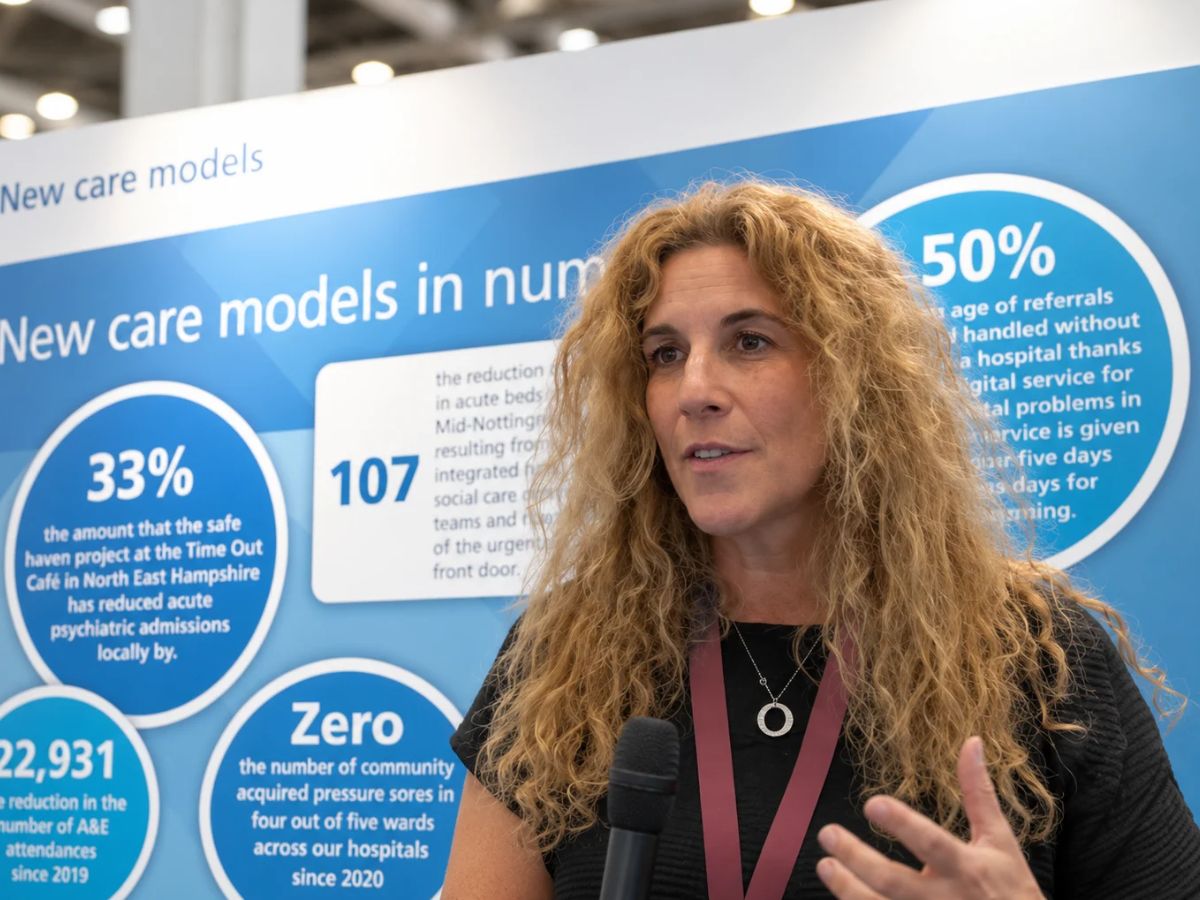
Helen Williams, National Clinical Director for Cardiovascular Disease Prevention at NHS England, made the point emphatically at a recent professional conference. A patient who ends up in hospital with complex cardiovascular, renal and metabolic disease, she said, represents a failure of systems upstream. Coming from a senior figure who has spent more than three decades working across hospital, primary and community care, the remark carries weight. She has helped shape national programmes on atrial fibrillation, blood pressure and cholesterol, and she is describing a system she knows from the inside.
The timing matters. Waiting lists remain above seven million, emergency departments are routinely overcrowded, and every acute bed occupied by a preventable admission is a bed unavailable for elective recovery. Government policy has committed to moving care closer to home and shifting emphasis from treatment to prevention. The cardiovascular Modern Service Framework sets a concrete target of cutting premature deaths from heart disease and stroke by a quarter within a decade. Williams has described the condition cluster as twenty or thirty years in the making, which means the opportunity to intervene is long, and the NHS has so far used too little of it.
Her prescription is mostly unglamorous. Control blood pressure, cholesterol and glucose to recommended targets. Follow patients up. Ask why someone is not taking a prescribed tablet, deal with the side effects, and adjust doses that are too low to work. Use renin angiotensin system inhibitors and SGLT2 inhibitors properly in chronic kidney disease. Offer tirzepatide to eligible patients under NHS criteria, and keep structured weight management, smoking cessation and exercise support in place around any drug. She stressed that medicines alone are not enough to address the problem.
The difficulty lies in who is expected to deliver this. Williams places most of the work in primary care, among the nurse, pharmacist, GP and social prescriber. That is the part of the NHS with the least slack. General practice has struggled for years with demand, workforce gaps and a funding share that has not kept pace with hospital spending. Asking it to run proactive, long-term risk management across millions of patients, with titration and recall systems that actually function, requires investment in people and in data. Without reliable population-level data on who is above target, early intervention stays an aspiration. Integrated care boards, themselves under pressure to cut running costs, will have to decide whether to pay for that infrastructure now.
Here the politics become uncomfortable. Prevention spending produces savings that arrive long after the spending decision, often outside the electoral cycle and sometimes outside the budget that paid for it. A pharmacist who optimises a statin dose in 2026 may avert a cardiac admission in 2036. No performance dashboard rewards that, and no minister collects the credit. Williams accepts the long horizon, speaking of pushing complex disease back by ten, twenty or thirty years. Health leaders should take that timescale seriously, and so should the Treasury.
There are practical consequences for industry as well. Manufacturers of cardiometabolic therapies and health technology suppliers will find their products judged on whether they help primary care teams identify, titrate and follow up at scale. Tools that add clinician workload will struggle, and tools that reduce it will find a ready market.
Williams presents a compelling case, with the strongest evidence found in the experience of patients already in hospital. The real measure of the government's prevention ambitions will be whether future patients receive intervention in primary care long before their condition becomes serious enough to require an ambulance. Achieving that will depend on funding decisions made long before the benefits become measurable.