
.png)
In a statement outside 10 Downing Street on Monday, Keir Starmer announced his resignation as prime minister and leader of the Labour Party. Additionally, he declared that he would remain in his role until a replacement was chosen. The leadership process is expected to conclude before parliament returns in September.
Speaking from a lectern on Downing Street, Starmer said he had heard the Labour Party's view on whether he was best placed to lead it into the next general election, and accepted that verdict. He said that the interests of the nation had always come first in all of his decisions while in government. There was no anger in his words, and no attempt to relitigate the internal pressures that had brought him to this point. He had spoken to the King by telephone earlier in the day. The King was at Highgrove at the time.
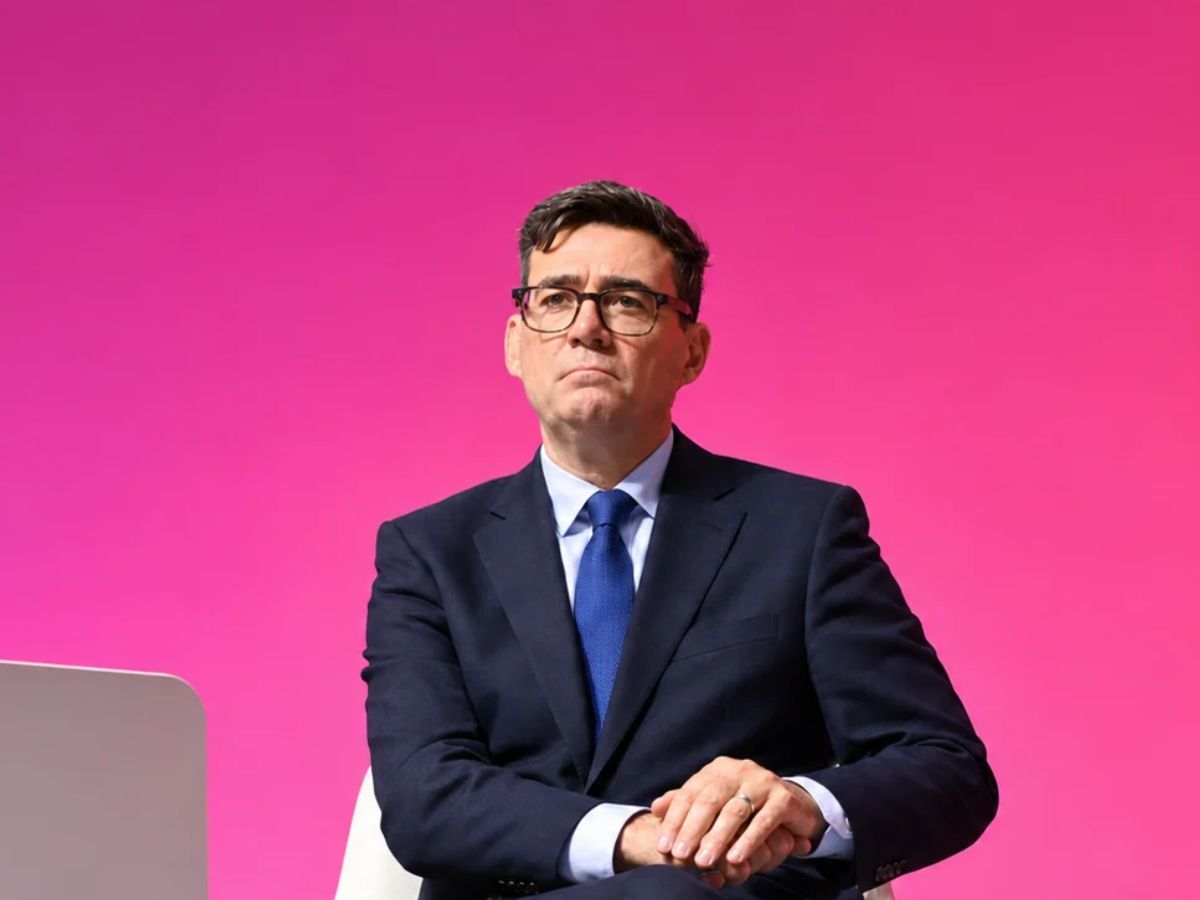
Starmer has asked the Labour Party's National Executive Committee to establish a timetable for the contest, with nominations opening on 9 July and the process to be completed by the summer recess. Andy Burnham, the former Greater Manchester mayor who won last week's Makerfield by-election, was due at Westminster on Monday to be sworn in as an MP. The symmetry was not lost on those watching: the man most likely to succeed Starmer arriving in parliament on the same morning his predecessor left it.
The statement had a personal register towards its close, and it was here that Starmer allowed something of the weight of the moment to show. He described walking up Downing Street in July 2024 as the proudest moment of his life. He thanked his wife Victoria by name, calling her a rock, and spoke of his children with barely contained emotion. He had come into politics, he said, to change the lives of millions of people for the better. That he is leaving before he believed that work was finished was the unspoken thread running through every sentence.
The political circumstances surrounding the resignation had been deteriorating for months. In the hours before the statement, no cabinet minister appeared publicly in his defence, a silence that said more than most words could. Several Labour backbenchers had made clear they were prepared to force a formal leadership challenge if Starmer did not act voluntarily. In the end, he chose to go on his own terms, though those terms had been narrowing for some time.
Tom Baldwin, who has written a biography of Starmer, suggested he was unlikely to remain in frontline politics. Baldwin described him as someone who had always approached public life as a duty rather than a vocation, a man more at home with quiet purpose than the relentless performance politics demands. That framing, offered by someone who knows him well, gives his departure a particular kind of sadness: a politician who gave a great deal and leaves feeling, perhaps, that the country never quite saw it.
His resignation leaves a significant question hanging over NHS policy. The Labour administration announced plans to disband NHS England in March 2025, portraying the action as restoring democratic control over the health sector and eliminating what Starmer called an unneeded layer of bureaucracy. The restructure was already proving painful. A year on from the announcement, one senior civil servant described the process as "utter chaos", and the consolidation of 42 Integrated Care Boards into 26, alongside a 50% reduction in ICB staff, had proved more disruptive than even the scheme's critics had expected. The Health Bill underpinning the reorganisation was at its second reading as recently as 1 June. Its future now rests with whoever succeeds him.
Wes Streeting, who resigned as health secretary in May and is among the potential candidates for the leadership, had been the architect of much of that reform agenda. His early departure from cabinet left the health brief in unfamiliar hands at the worst possible moment. The incoming prime minister will inherit a health department mid-reorganisation, with no settled leadership and a legislative timetable that cannot wait indefinitely.
Starmer said he would do everything in his power to ensure an orderly handover, and pledged full support to his successor. He added that they would inherit a country stronger and fairer than the one Labour found in 2024. It was a dignified close to a statement that carried, beneath its composed surface, the quiet grief of a man who had wanted to do more.



.jpg)
.jpg)