
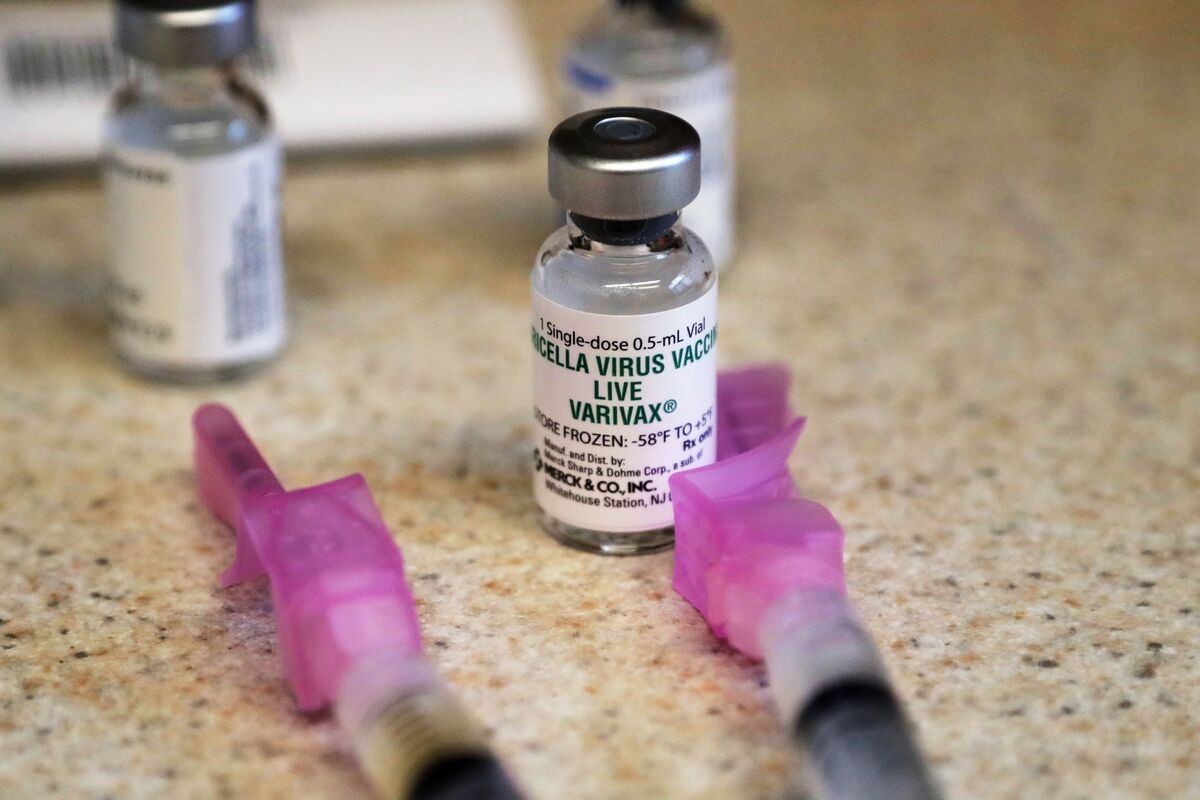
Starting in January 2026, the NHS is introducing the chickenpox (varicella) vaccine into the routine childhood immunisation schedule. This major expansion marks the first large-scale inclusion of varicella protection in the UK, aligning it with countries like the US, Canada, Germany, and Australia. The vaccine will be delivered as a combined MMRV (measles, mumps, rubella and varicella) jab.
This decision follows recommendations from the Joint Committee on Vaccination and Immunisation (JCVI), which found that routine vaccination will significantly prevent infections, reduce hospital admissions and complications, and lead to substantial cost savings. The NHS estimates the programme could save the health service around £15 million a year and UK families approximately £24 million in lost income and productivity from parental time off work.
The vaccine is highly effective, and safety data from high-income countries with long-standing programmes support its introduction. In England, most eligible children will receive two doses: one at around 12 months and a second at 18 months. A catch-up programme is also available for older children up to age six who missed previous varicella immunisation. Chickenpox is one of the most contagious childhood infections, typically causing fever and a blistering rash. While it is usually mild, it can lead to serious complications, including chest infections, encephalitis (brain inflammation), severe dehydration, and bacterial skin infections. Adults who contract the virus face an even higher risk of severe disease
The MMRV vaccine is subject to the same rigorous testing and safety monitoring as all NHS-recommended immunisations. UK Health Security Agency (UKHSA) and the Medicines and Healthcare products Regulatory Agency (MHRA) oversee post-licensing surveillance. Side effects are typically mild and short-lived, such as soreness at the injection site, low-grade fever, or a mild rash. Serious adverse events are extremely rare, and decades of international use confirm the vaccine's strong safety record.
Combining chickenpox protection with the existing MMR vaccine into a single MMRV shot simplifies the schedule, improving uptake and maintaining high overall immunisation coverage. Experts emphasise that the programme is a critical public-health intervention designed to reduce the overall number of cases, complications, and hospital pressures, ultimately reducing health inequalities linked to varicella infection.
In summary, the NHS chickenpox vaccine is backed by extensive international safety data and decades of real-world use. Parents are strongly encouraged to accept the offer to provide their children with added protection and contribute to broader community health gains.



.jpg)
.jpg)
.jpg)