
The International Monetary Fund upgraded its UK growth forecast on Tuesday, saying the economy would expand by 1.3 per cent in 2026 against the 1 per cent it predicted in July. The figure comes from the fund's October World Economic Outlook and arrives two weeks before the first Budget of Chancellor John Healey.
In its April forecast, the IMF had put UK growth at 0.8 per cent. The new projection places Britain among the fastest-growing G7 economies, alongside Germany. The fund also expects the UK to have the lowest G7 deficit by 2031, and Mr Healey pointed to strong international resilience in response. Silvana Tenreyro, the fund's chief economist, said the UK had already begun to cut its borrowing, putting it alongside India in making progress. The fund cited increased investment in artificial intelligence as one of the factors supporting the British economy.
The outlook for next year is less favourable. The IMF forecasts UK growth of 1.2 per cent in 2027, down from 1.3 per cent in 2026 and below its previous projection of 1.3 per cent. It says higher energy prices and long-term interest rates are likely to hold back activity. The Office for Budget Responsibility forecast growth of 1.6 per cent for 2027 in March. The fund said the economy's ability to withstand disruption had been a defining feature of 2026 so far, but that the effects of rising costs could become more apparent in 2027. Ms Tenreyro warned that this resilience is reaching its limits.
The IMF also warned that inflation would remain above the Bank of England's target, and described the economic impact of the Middle East conflict as highly uncertain. Rising energy bills and council tax increases are adding to pressure on household finances.
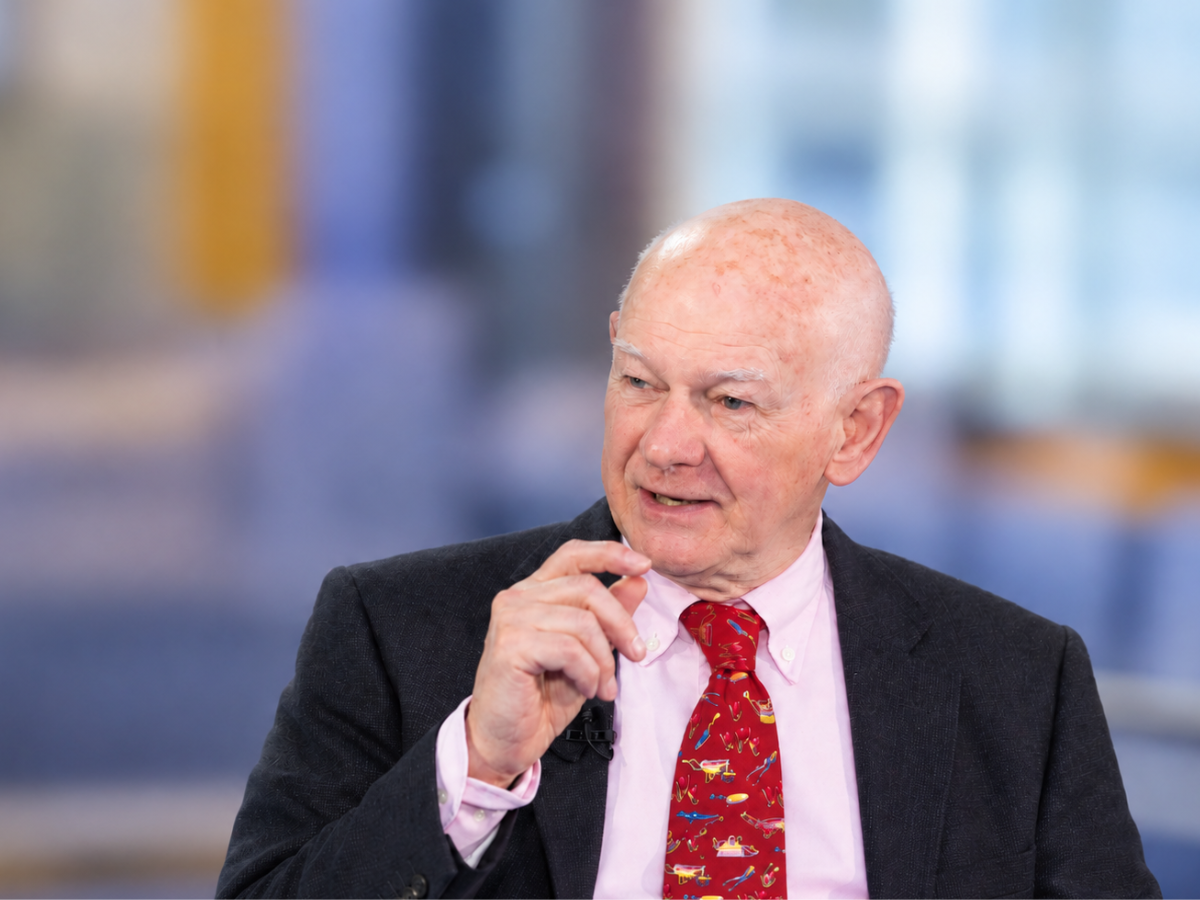
Sir Howard Davies, a former deputy governor of the Bank of England, described the 2026 forecast as better than it might have been. He added that the outlook for 2027 remained more pessimistic.
The assessment lands as the government prepares for the fiscal event of the autumn. Mr Healey will deliver his first Budget on 28 October, and the Prime Minister, Andy Burnham, is pressing for what he calls real change for voters. The Office for Budget Responsibility is preparing updated economic forecasts that will guide the Chancellor's decisions. Mr Healey has said the Budget will be built on fiscal discipline and that he will abide by the fiscal rules.
The scale of the task has been set out by the Institute for Fiscal Studies. The think tank said Mr Healey will need to find £36 billion through tax rises or welfare cuts to offset the effect of inflation on public services and to meet a defence spending pledge. It said the plans set out by his predecessor, Rachel Reeves, had been affected by the rise in inflation caused by the Iran war, and that a "steady-as-she-goes" Budget was not an option because investors might not regard unchanged plans as credible. Mr Healey and Mr Burnham have said they will reduce the cost of living.
Mr Burnham's devolution agenda and the defence investment plan also require funding without clear detail on how it will be paid for, according to the National Institute of Economic and Social Research. The institute has suggested that welfare or pension cuts might be considered. The Chancellor therefore faces demands for relief from voters and a fiscal framework that leaves limited room for additional borrowing.
The IMF's 2026 upgrade gives ministers a favourable figure to cite in the weeks before the Budget. The fund's 2027 projection, the OBR's forthcoming forecasts and the IFS estimate of the funding required will each shape what Mr Healey announces on 28 October.



.jpg)