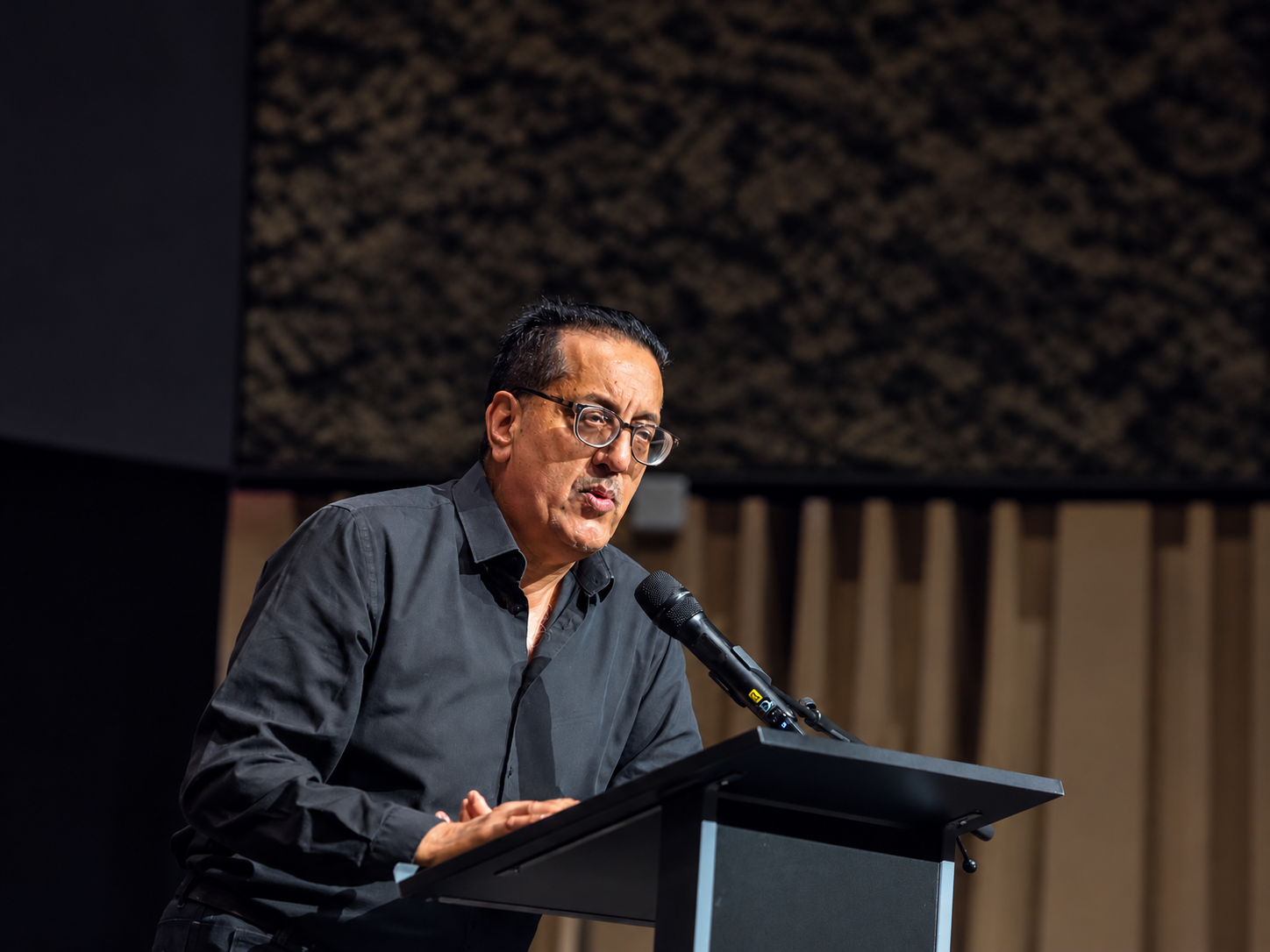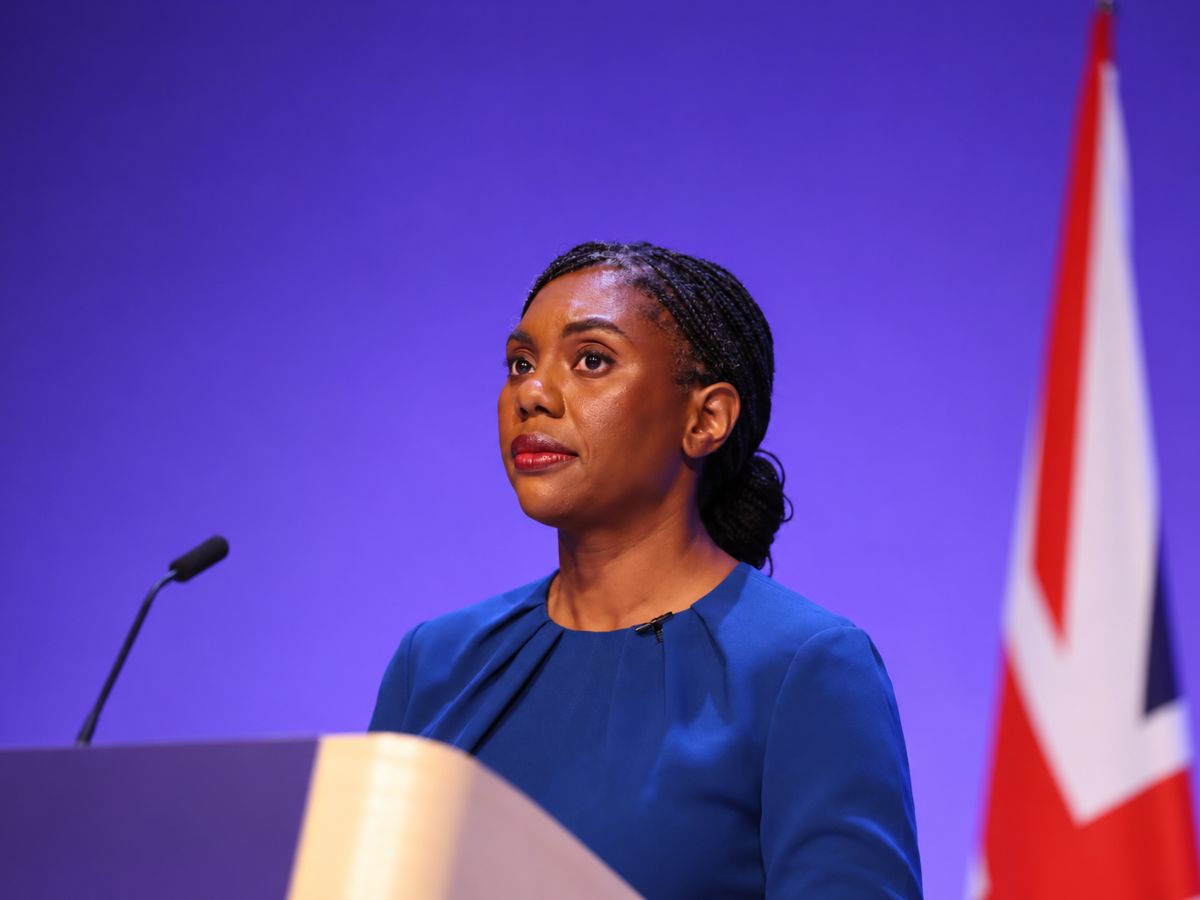
A GP in the West Midlands, a short drive from the conference hall in Birmingham, will sign dozens of fit notes this week. Each records a judgement that a patient cannot work, most often because of a bad back or an anxiety disorder that has outlasted the waiting list for treatment. None of those notes appears in Kemi Badenoch's closing speech, yet many of them sit beneath its arithmetic.
The pledge is plain enough. A Conservative government would exempt the main family home from inheritance tax, letting couples pass on up to £1 million, and would meet the multi-billion-pound cost by trimming the working-age welfare bill. Health was absent from the speech as reported. That omission matters, because the working-age welfare bill is increasingly a health bill carried by a different department.
Long-term sickness is now the largest single reason working-age adults are outside the labour market, with close to 2.8 million people in that position. The fastest-growing benefits are those paid on health grounds. Any serious attempt to curb the total must therefore reach people with conditions the NHS is struggling to treat in time. Musculoskeletal problems and mental ill health dominate the caseload, and both respond badly to delay. A person who waits a year for a hip replacement or talking therapy does not stay in place in the meantime. Many drift away from work, and some do not return.
Here the relevance to NHS leaders is direct. Treasury accounting separates the benefits budget from the health budget, whereas patients experience one life. A saving booked against welfare can reappear as demand in primary care and urgent care, where the system has least slack. Trust chief executives already manage a waiting list that has hovered around seven million and a workforce still tired from years of industrial action. Additional pressure upstream, without corresponding funding, would fall on services already operating with little spare capacity.
Defenders of the proposal will say, with some justification, that the current trajectory cannot hold. A system that pays ever more for sickness without reducing it has failed on its own terms. Evidence suggests that work can support recovery, while employers and clinicians have often been too quick to view inactivity as unavoidable. Reform of fit notes, occupational health and benefit assessments is a legitimate subject for any party that hopes to govern. Effective reform, however, depends on sufficient clinical capacity, including faster musculoskeletal pathways and accessible talking therapies delivered within weeks. Those are NHS and local government functions, and the speech put no price on them.
Social care deserves separate attention. Housing wealth is the asset families most often use to pay for care in old age, and no settled funding model has replaced it. An exemption that shields the family home from inheritance tax protects whatever remains after care fees have been paid. A household whose parent needs years of residential care may find little left to inherit, and the policy offers them nothing. Delayed hospital discharges, which keep beds occupied by people who are medically fit to leave, show where that unresolved gap ends up.
There is also a political problem the party has to face. The Conservatives left office with the NHS ranking among the public's chief grievances, and voters will weigh any fiscal plan against what they see at their own surgery. A programme that relies on cutting benefits linked to ill health, without a credible account of how the health service will reduce that ill health, invites the charge that savings have been found in the one place the NHS cannot supply them. Oppositions are not obliged to publish a fully costed programme. They are obliged to say who treats the patient.
If the next election is framed as a battle for the country’s future, part of that contest will be shaped in waiting rooms. Any party promising lower tax on inherited homes should also explain who will treat patients with back pain and how quickly. Until then, projected welfare savings remain theoretical, while the pressure is left for the health service to absorb.