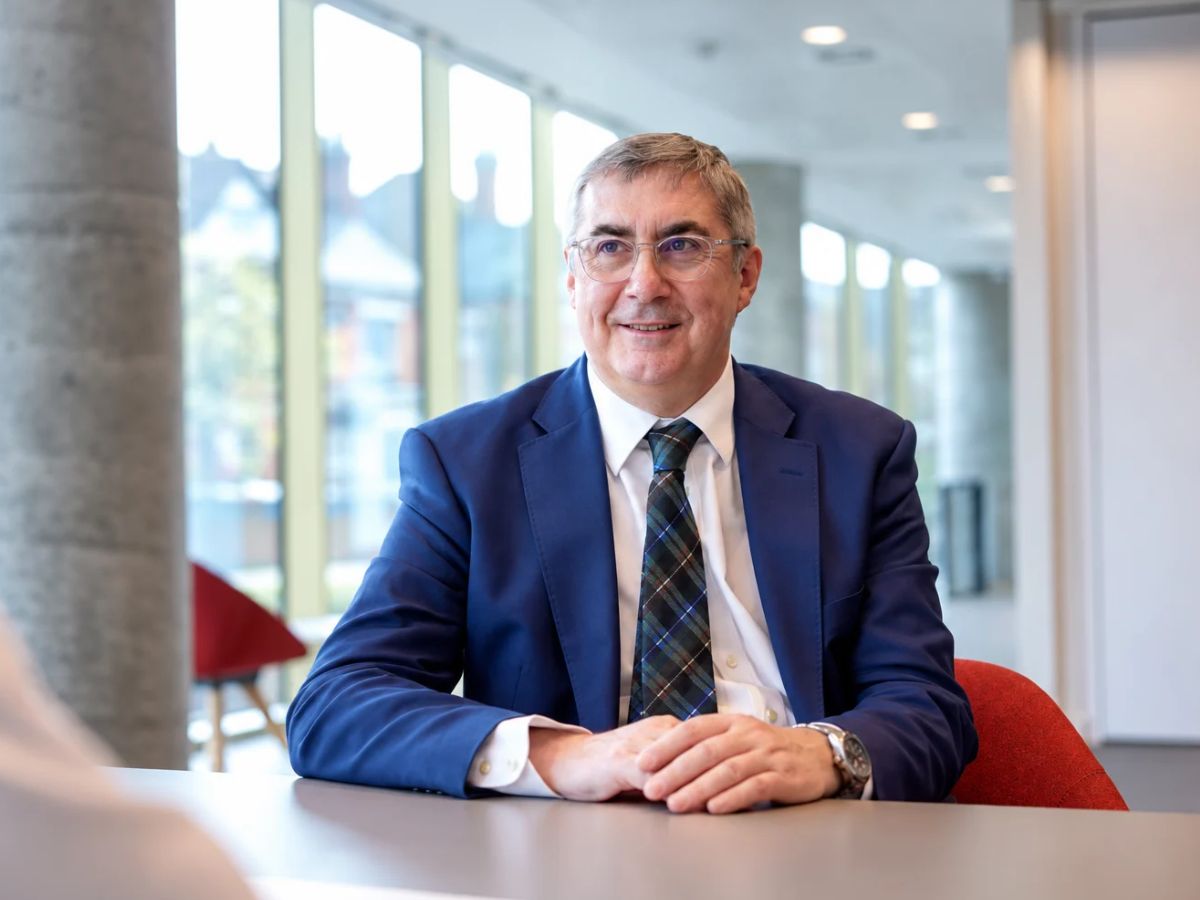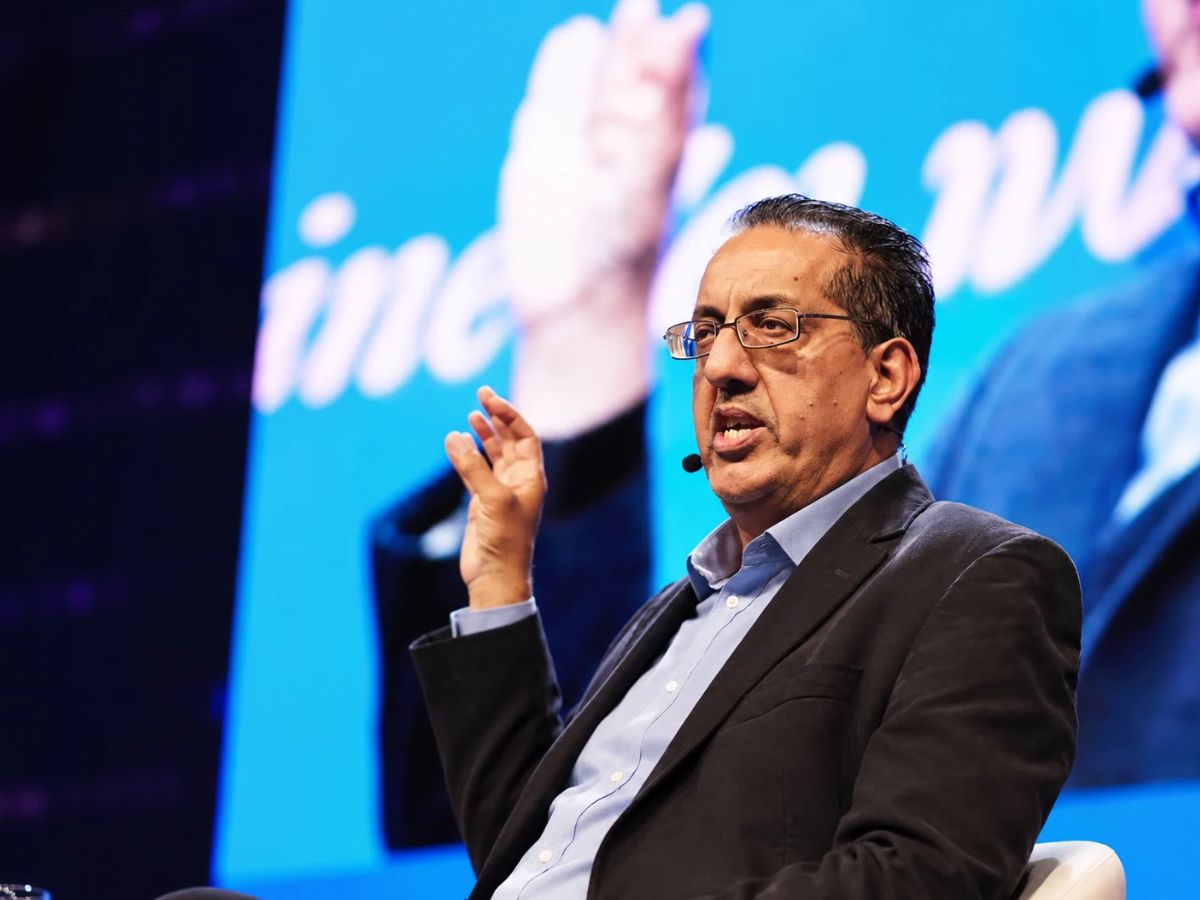
When Nazir Afzal arrives at Manchester University NHS Foundation Trust on 4 January 2027, he will walk into the hardest weeks of the NHS calendar. Corridors will be full, discharge will be slow, and staff will be tired in the particular way January produces. He has said that an organisation of this size cannot be led from a boardroom alone. Whether that sentence survives its first winter will say a good deal about what the appointment means.
The facts are simple. Afzal is a former Chief Crown Prosecutor for North West England, a former chief executive of the Association of Police and Crime Commissioners and the first independent chair of the Catholic Church's safeguarding agency. He follows a period of acting leadership under Trevor Rees. He has never held a clinical post or run a hospital. The governors chose him regardless, and their reasons deserve a close reading.
Trust boards now operate in the shadow of a long run of inquiries into maternity care, patient safety and the treatment of staff who raise concerns. The recurring finding is rarely a shortage of information. The information existed, and it either failed to reach people with the authority to act or reached them and was set aside. A chair's central duty is to make sure a board hears unwelcome things and to test the chief executive's account of the organisation against what patients and staff say. A career in safeguarding, where institutions have repeatedly protected themselves before protecting the vulnerable, is credible preparation for that duty. Appointment statements often cite fairness and independent challenge. Here the words correspond to a documented record.
The timing adds weight. NHS England is being absorbed into the Department of Health and Social Care, integrated care boards are cutting their running costs, and trusts are being ranked in published league tables that place more responsibility on provider boards. A well-governed foundation trust gains room to act. A poorly governed one will find the external oversight that once cushioned it considerably thinner. In that setting the chair is among the few safeguards that sit inside the organisation itself. Manchester adds a further layer. Devolution gives Greater Manchester's leaders unusual influence over how health and social care fit together, and a trust serving almost a million people, with specialist services reaching well beyond the city, cannot stand apart from that politics.
The limits need stating. A chair is a part-time non-executive. Waiting lists, emergency department delays, deficits and workforce gaps sit with the executive team and with national funding settlements, and listening does not clear a backlog. The relationship between chair and chief executive can fail in two ways, through a chair who defers too readily or one who strays into operational management. Afzal's reputation as an outspoken public commentator adds another variable, since a trust chair is expected to speak for the board with discipline.
For other trusts, the appointment poses a practical question about whether board composition matches the places where each organisation's real risks lie. Sector experience still matters, but a board short of independent challenge is exposed in ways that financial expertise will not repair. For policymakers, it is a reminder that governors, and not ministers, made this choice, which gives it a local legitimacy that central appointments rarely carry. Industry partners in Manchester's substantial research and life sciences base will want to know how a chair with a safeguarding background approaches data sharing, consent and public confidence, because health data partnerships depend on all three. Patients will apply a simpler test. A concern raised on a ward in February should be heard before the month is out.
The real examination will come with the first serious failure, because every large trust has them. Afzal has built his career on the proposition that institutions are judged by how they respond when someone tells them they have got something wrong. Manchester has now asked him to apply that principle to a hospital group of considerable scale. The result will show in the quality of the questions the board asks and in the willingness of staff to put those questions in front of it.