
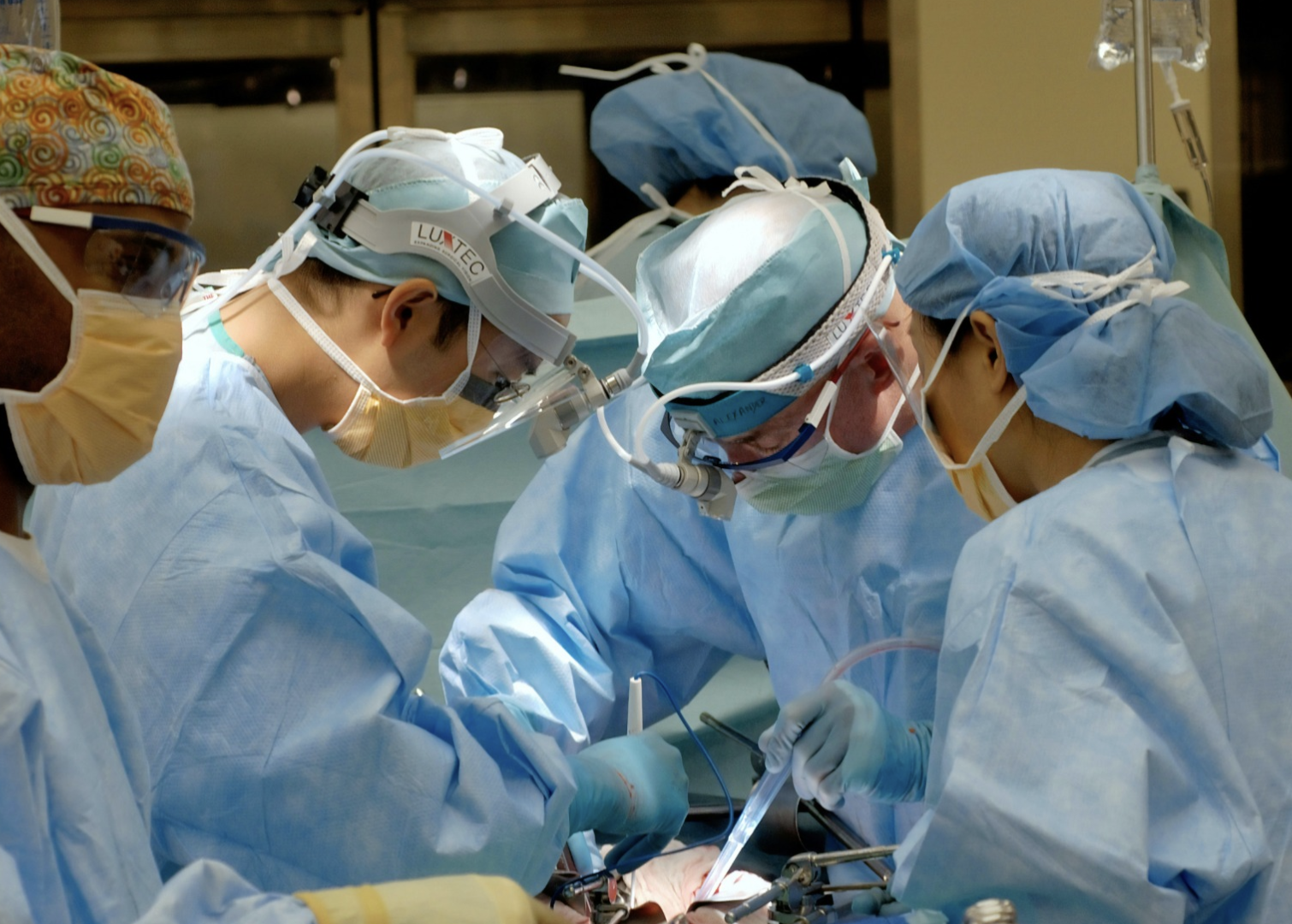
Hospitals across England are currently grappling with a severe and unforeseen crisis that is set to cause widespread disruption to thousands of planned hip and knee replacement surgeries. This escalating issue stems from a significant production failure at the primary, crucial supplier of specialised bone cement, an essential material for these common orthopaedic procedures. The situation has been met with dismay by patient advocacy groups, one of whom described it as a "crushing blow," highlighting the profound impact on individuals already enduring chronic pain and severely limited mobility whilst waiting for life-changing operations.
Production Fault Halts Supply at German Facility
The root cause of the shortage has been traced back to a specific packaging fault coupled with a critical machine failure at the German facility operated by Heraeus Medical. This technical failure has effectively brought the production of several key surgical cement products to a complete standstill, an involuntary halt that is projected to last for a minimum of two months. In response to this abrupt and critical depletion of the supply chain, hospitals nationwide have been issued strict directives. These instructions mandate the rigorous conservation of all existing stock and the stringent prioritisation of trauma and other genuinely urgent surgical cases. The immediate and inevitable consequence of this measure is that routine hip and knee replacements, which constitute a large proportion of elective orthopaedic surgery, are now highly likely to be deferred, adding further strain to already lengthy national waiting lists.
The Vital Role of PMMA Cement
The bone cement in question is scientifically known as polymethyl methacrylate (PMMA). Its function is absolutely vital for the safe and enduring anchoring of the artificial joints, the prostheses, into the patient's existing bone structure. Without this reliable cementing agent, the long-term stability and success of the joint replacement are severely jeopardised. Given the sheer scale of orthopaedic activity in England, where up to 250,000 hip and knee replacements are performed annually, this unexpected supply gap poses a fundamental threat. It risks completely derailing the established treatment plans for a vast number of patients who were potentially just weeks away from their scheduled surgery after months or even years of waiting.
NHS Mandates Prioritisation of Urgent Cases
Whilst most existing hospital supplies of the cement are, for the moment, considered unaffected by the production halt, an official spokesperson for the National Health Service (NHS) has issued a sober warning. They have projected an anticipated national shortfall spanning six to eight weeks, a deficit attributed directly to the current ongoing production cessation and the subsequent, inevitable delays involved in restocking the supply chain once production resumes. In light of this critical constraint, central authorities have explicitly mandated that the extremely limited quantities of remaining bone cement must be exclusively channelled toward trauma and urgent care needs. This includes prioritising complex surgeries for patients whose quality of life has been most severely compromised and for whom further delay is unacceptable.
Hospitals Reschedule Elective Procedures
Orthopaedic units across the country are already undertaking the painful process of reorganising their theatre schedules, cancelling or rescheduling operations that were meticulously planned months in advance. Patients who currently have operations booked for the coming months are being proactively contacted and advised of the high probability of postponement. Recognising the severity of the crisis, the British Orthopaedic Association (BOA) has confirmed that it is working in close collaboration with the NHS Supply Chain to urgently identify and vet compliant alternative sources of surgical cement. However, the BOA simultaneously acknowledges that widespread delays are more than probable, as suitable, high-quality substitutes are simply not immediately accessible in the vast quantities required to meet the national demand at scale.
Profound Human Cost of Disruption
Deborah Alsina, the chief executive of the charity Arthritis UK, has articulated the profound human cost of this disruption. She noted that this unforeseen crisis significantly compounds the existing pain, uncertainty, and loss of independence already being experienced by patients who have patiently waited for months or, in many cases, multiple years for their surgery. The disruption doesn't just affect the hospital schedule; it affects the daily lives and future prospects of thousands of individuals.
Alternative Techniques and Patient Suitability
As a practical and immediate mitigation strategy, orthopaedic surgeons may, for certain carefully selected patients, explore the option of using uncemented prostheses. This involves techniques where the artificial joint is designed to achieve stability by allowing the patient's bone to grow directly onto its surface, or by relying on a 'press-fit' mechanism. However, experts are quick to point out that this uncemented approach is not clinically suitable for every patient, particularly those with poorer bone density, such as elderly individuals or those with specific underlying health conditions.
Systemic Vulnerability in Healthcare Supply Chains
Critically, this supply crisis has thrown into sharp relief a much wider, systemic vulnerability within the supply chains that underpin critical healthcare provision. Specifically, it highlights the inherent danger of over-reliance on a very small number of manufacturers for essential, highly specialised medical products. The severity of this bone cement shortage will almost certainly serve as a significant catalyst, prompting policy-makers and NHS strategists to urgently explore avenues for greater diversification of suppliers and the implementation of enhanced inventory buffers, or strategic stockpiles to guard against future unforeseen shocks.
NHS England and the Department of Health are working relentlessly behind the scenes to identify compliant temporary suppliers with the capacity to meet at least the most immediate needs, thereby ensuring that trauma and urgent care requirements can continue to be met without interruption. Nevertheless, the mandated postponement of elective surgery means that individuals who are currently living with debilitating chronic pain and severely limited mobility now face the prospect of enduring weeks or potentially many more months of discomfort and reduced function. This harsh reality underscores the critical, ongoing need for resilient planning and agile logistics in the face of historically high elective waiting lists that already stretch the capacity of the NHS to its limit. The crisis is a stark reminder of the fragile balance between efficiency and resilience in modern healthcare logistics.



.jpg)
.jpg)
.jpg)