
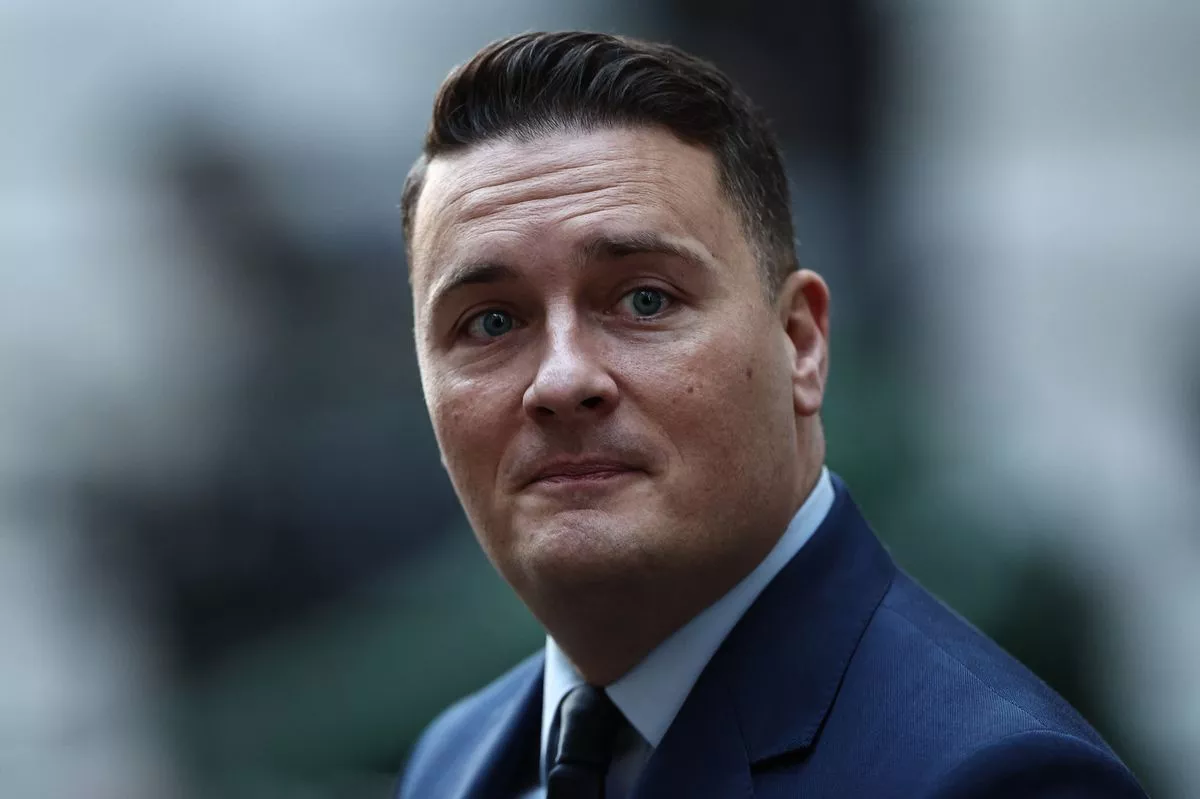
Health Secretary Wes Streeting has issued a stark warning that the NHS is facing its most critical moment since the pandemic, as an early and aggressive flu season collides with the threat of a five day strike by resident doctors. He described himself as “extremely worried” about the impact of what he called a double whammy now bearing down on hospitals, warning that the combined pressures risk pushing services to the brink.
The immediate strain is coming from a sharp surge in flu admissions. Streeting said the service is under “probably the worst pressure the NHS has faced since Covid”, pointing to figures showing around 2,660 flu cases a day in hospital. That is roughly equivalent to three full hospitals occupied solely by patients with influenza. Cases have risen by around 50 per cent in the past week alone, with no clear sign yet that the curve is flattening.
The term “super flu” has been used by ministers and officials to describe the current outbreak. It refers to a mutated and particularly aggressive strain of the virus that is spreading earlier than usual this winter. Officials have stressed, however, that it is not believed to be more severe on an individual level or harder to treat than previous flu strains. The risk lies in its scale and timing, hitting before the NHS has recovered headroom from previous winters.
Layered on top of this is the looming threat of industrial action. Resident doctors are currently scheduled to begin a five day walkout from 7am on December 17, a move that would remove large numbers of junior clinicians from frontline services at the peak of winter pressure. The British Medical Association has agreed to poll its members on whether to call off the strike, following discussions with the government over a revised offer on pay and training. The result of that ballot is due on Monday.
Streeting has been openly critical of the BMA’s approach, questioning why the union would not agree to delay action until January. He has suggested that pressing ahead in mid December would deliberately hit the NHS when disruption is “most painful”, arguing that patient safety should outweigh tactical advantage in negotiations. Ministers maintain that a credible offer is now on the table and that there is still time to avert the walkout.
Not all senior voices share the most pessimistic assessment. Chris Streather, medical director for the NHS in London, has sought to reassure staff and the public that the situation remains manageable. He said current pressures are “well within the boundaries” of what the NHS can cope with and argued that hospitals are better prepared than they were before Covid, with more robust escalation plans and greater experience of operating under sustained strain. He has urged caution against speculation that could undermine confidence.
For now, the government has stopped short of introducing new public health mandates. Streeting has said there are no plans for a general requirement to wear masks, though he has encouraged their use in hospitals and care homes where vulnerable patients are concentrated.
The coming days will be decisive. With flu admissions still climbing and the BMA ballot result due imminently, Monday is shaping up as a critical juncture for the service. Whether the NHS enters the second half of December with a reprieve from industrial action or facing simultaneous clinical and workforce shocks may determine how severe this winter becomes.



.jpg)
.jpg)
.jpg)