
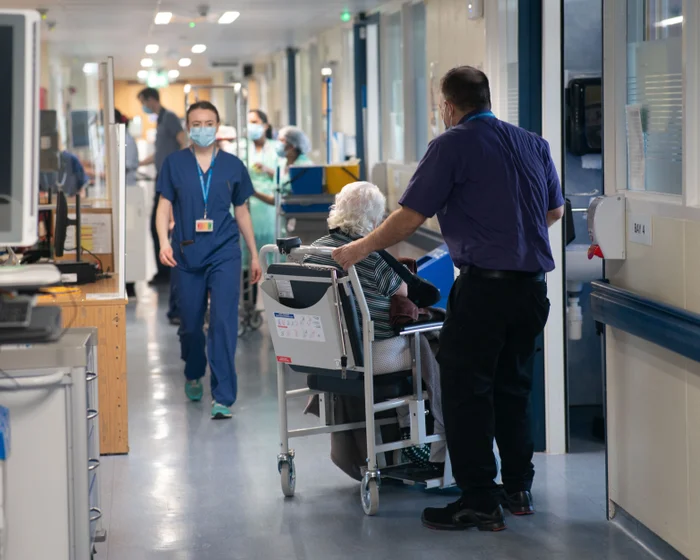
A five-day walkout by junior doctors in England, which began on 17 December and runs until 22 December 2025, has triggered urgent warnings that older and vulnerable patients could be “stranded” in hospital over Christmas. This industrial action, coinciding with severe winter pressures and workforce shortages, has intensified the debate about its impact on patient care and safety within the already strained health service.
Patient advocacy groups, notably Age UK, have been vocal about the increased risks for elderly patients, who constitute the majority of hospital admissions. Age UK's charity director, Caroline Abrahams, cautioned that while urgent services will continue, “inevitable cancellations and delays” will occur, hitting older people hardest.
The scale of the problem is significant as thousands of patients were waiting for discharge in the first week of December before the strike even began. With the walkout scheduled during the year's peak demand for beds, a substantial risk exists that patients medically fit for discharge will remain in hospital indefinitely or be sent home prematurely without adequate support. Age UK, Healthwatch England, National Voices, and the Patients Association echoed this concern in a joint letter to the British Medical Association (BMA) and the government, warning that the strike “may strand patients in hospital over the holiday period.”
A “double whammy” of a severe flu surge and industrial action further compounds the pressure on the NHS. NHS England highlighted that flu hospitalisations were at a record high for the time of year, with an average of 1,717 people occupying beds due to flu in the week prior to the strike; a figure 10 times higher than the previous year. This convergence of high demand and reduced staffing significantly increases the challenge of managing patient flow and discharges.
Health Secretary Wes Streeting explicitly warned that the timing of the strike, amid high flu admissions and the run-up to Christmas, could jeopardise NHS capacity when it is most critically needed. While the NHS has stressed that urgent and emergency care will continue, with consultants and other senior staff covering critical areas, they will likely defer routine appointments and less urgent procedures. The BMA defends the strike as a last resort in a pay dispute and maintains that they plan emergency cover to protect critical care.
However, patient groups stress that the knock-on consequences disproportionately affect older patients, particularly those with complex needs. Delays in discharge can lead to deconditioning, increased risk of hospital-acquired infections, and significant stress for families. Previous industrial actions have shown that they cancel tens of thousands of appointments, compounding the existing backlog and raising the risk that elderly patients remain in hospital longer than necessary.
Ultimately, the resolution of this crisis depends on negotiations between the union and the government. Amid rising winter viral surges and record flu admissions, the question of whether elderly patients will be able to leave hospital for Christmas critically tests NHS resilience during one of its most challenging seasons in recent memory.



.jpg)
.jpg)
.jpg)