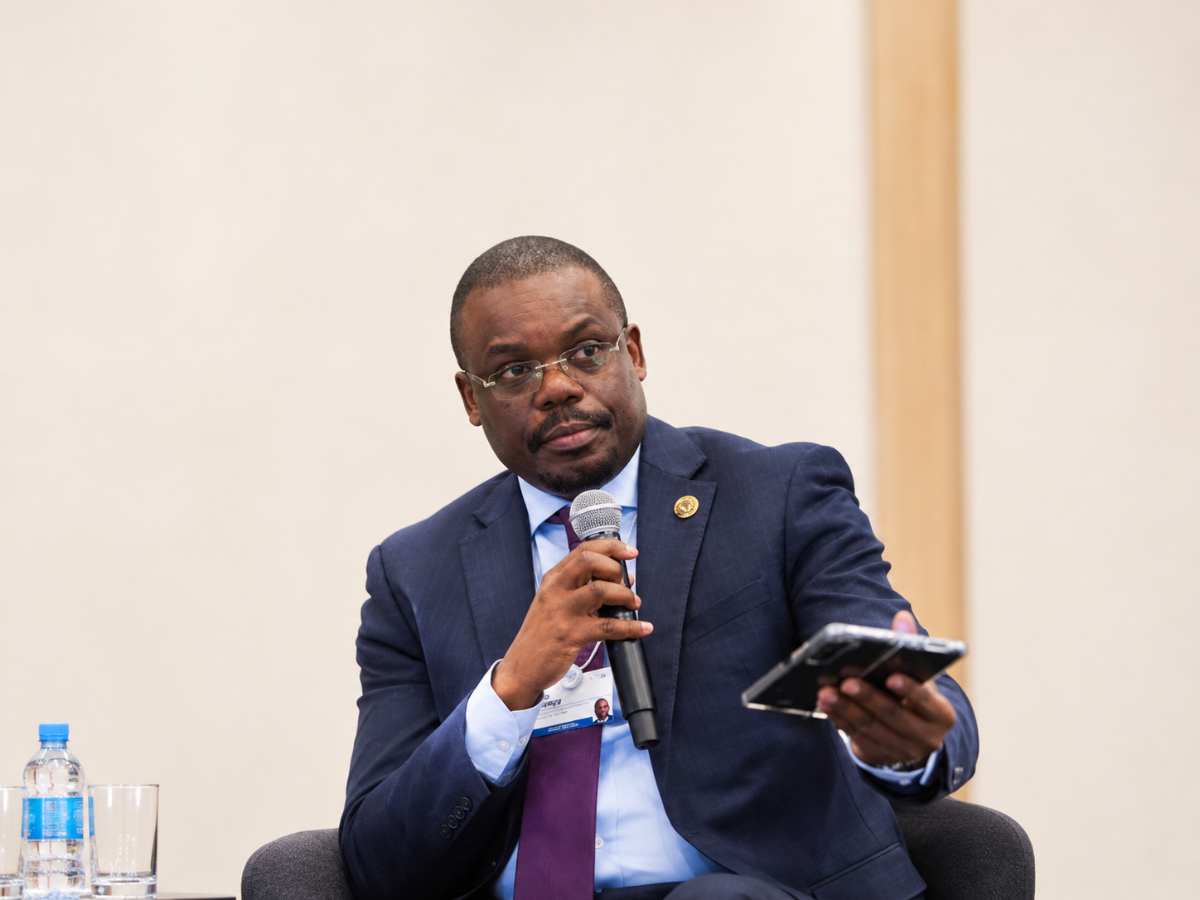
Dr. Jean Kaseya, The Chief Executive Officer and Director-General of the Africa Centres for Disease Control and Prevention (Africa CDC)
On a crowded evening in an English emergency department, a triage nurse asks a patient where they have travelled in the past three weeks. The answer, nearly always, is a family visit or a holiday, and the nurse moves on to the chest pain. The question takes seconds to ask and competes with dozens of others at triage, but it is the first line of defence against a disease that has now infected more than 10,000 people in the Democratic Republic of Congo. This week Dr Jean Kaseya, director general of the Africa Centres for Disease Control and Prevention, asked governments outside Africa, the United Kingdom among them, to take that small moment seriously.
The facts behind the warning are sobering and also clarifying. The Bundibugyo strain of Ebola was declared in Ituri province in May and has since caused nearly 5,000 deaths in the DRC, with cases confirmed in Uganda, Kenya and Nigeria. France recorded an imported infection in June, involving a physician returning from the DRC. Health officials describe it as the second largest Ebola outbreak on record. No licensed vaccine or antiviral exists for this species, although candidate vaccines have begun to enter trials. Kenya and Nigeria both maintain dense air links with London, which is why cases reported there this month matter more to British planners than their small numbers suggest. Dr Kaseya likened current attitudes to the early months of Covid-19, when many countries assumed a distant event would remain distant. The UK Health Security Agency continues to assess the risk to the British public as low, and European agencies rate it very low. Both positions can be held at once, because a low probability attached to a severe outcome is exactly what preparedness exists to address.
The relevance to the NHS is therefore genuine, and it takes the form of readiness. Here the starting position is a good one. Britain has a designated network for high consequence infectious diseases, with the Royal Free in London housing the principal high level isolation unit. Ebola is a notifiable disease, UKHSA has reissued guidance to emergency departments, general practice, obstetrics and paediatrics, and its returning workers scheme follows humanitarian staff home from affected areas. The 2014 West African epidemic left the service with practical experience, since the two patients repatriated to the UK recovered after specialist care. The government committed £20 million to the response in May, which is the sort of early money that Dr Kaseya argues is cheaper than late money. Britain is well placed to receive a single imported case.
The harder question concerns the front door. A patient with Ebola would not arrive at the Royal Free by design. The patient would arrive at a district general hospital, a walk-in centre or a GP surgery, and the first hours would depend on whether staff recognise the risk, isolate the patient and put on correctly fitted protective equipment before anyone has a diagnosis. That is a test of slack, and slack is what a service running at high bed occupancy through the winter has least of. Single rooms are wanted for patients with flu, norovirus and Covid, and corridor care leaves little space for someone who must be kept apart. Hospital leaders will have to decide how much of a scarce winter resource to reserve for a possibility that may never materialise. A modest answer serves best: rehearsed pathways and tested isolation rooms, with a clear route to escalate to UKHSA.
Two lessons from the DRC bear directly on British practice. The first is diagnostic. Early samples in the outbreak tested negative because the available assays were built to detect the Zaire species, and Bundibugyo went unrecognised for weeks. Laboratory leaders in the UK would do well to confirm that their assays and referral routes cover every Ebola species. The second concerns people. Response teams in Ituri have faced shortages of protective equipment and strikes over wages, a reminder that surge capacity is made of staff who feel protected and valued. NHS staff asked to practise putting on and removing protective equipment during a hard winter are owed protected time to do so, and employers who provide it will find the investment repaid in confidence.
There is an industrial dimension as well. The UK's life sciences sector showed during Covid-19 how quickly platform technologies, trial networks and regulators can move together. A vaccine trial has begun in Congo, and further candidates and therapeutics will need manufacturing partners, clinical expertise and regulatory agility. British institutions have an opportunity to contribute, with scientific and reputational returns that the Treasury should appreciate. Africa CDC has also described a substantial funding gap in the response. The precise figures are for others to audit, but the principle that early spending is cheaper than late containment is one Britain has learned repeatedly, usually after the invoice arrived.
The right response is calm diligence of the kind at which the NHS excels at its best: a question asked at triage and a room kept ready. After Covid, the public expects the state to have rehearsed for the next threat, and expects it without needing to be told. If the outbreak is contained, as African governments, the World Health Organization and donors intend, that diligence will have cost little and been noticed by almost no one. That is the result preparedness is meant to deliver, and Dr Kaseya's warning gives British leaders a timely chance to secure it.