
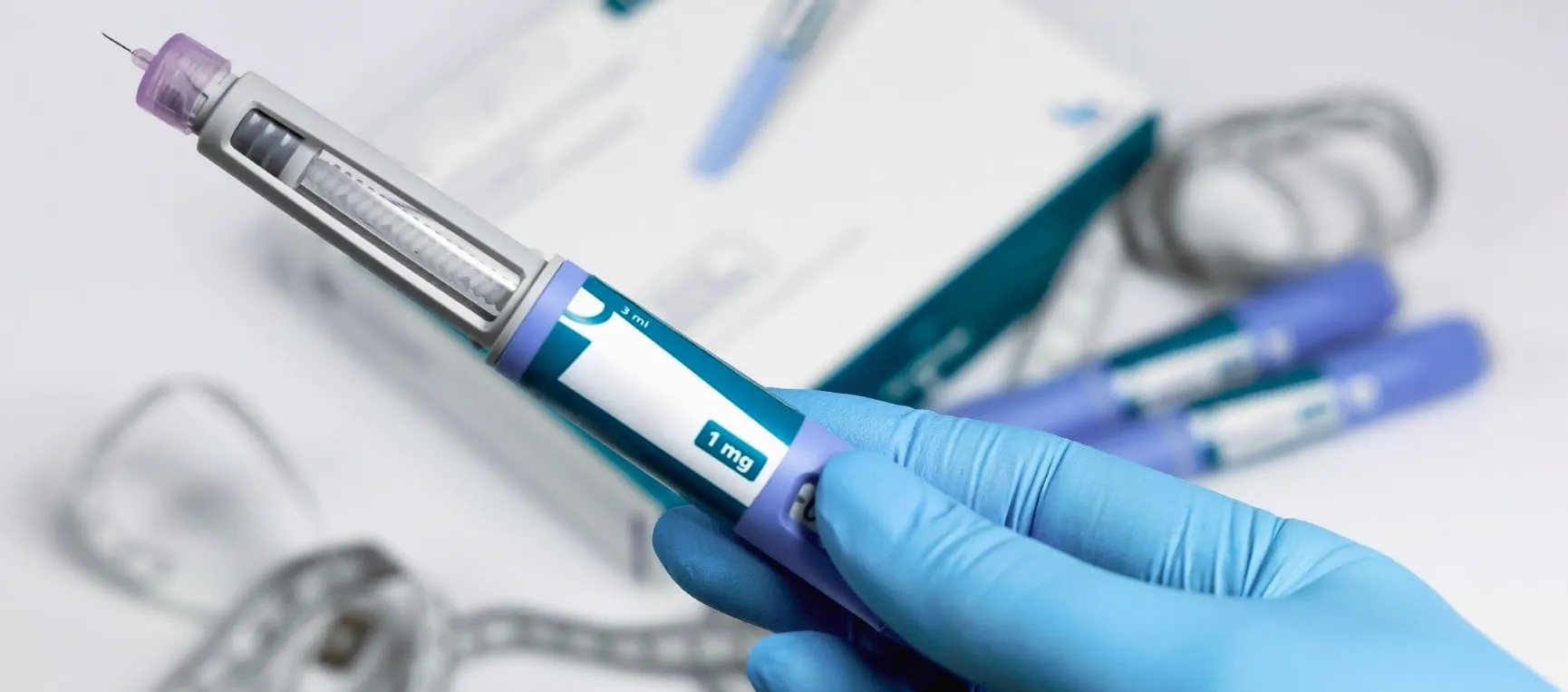
Access to NHS-funded weight-loss treatments, particularly expensive new options like weight-loss injections (e.g., Wegovy and Mounjaro), has become a "postcode lottery" across England in 2026. More than half of local health commissioners are tightening eligibility criteria, sparking a debate over equitable access to care. The National Institute for Health and Care Excellence (NICE) currently recommends these injections for adults with a Body Mass Index (BMI) of 35 or more and at least one obesity-related condition, to be prescribed through specialists and linked to comprehensive weight management care.
However, nearly half of England's 42 Integrated Care Boards (ICBs) have gone beyond these national guidelines. Driven by significant local financial pressures, ICBs are imposing stricter local thresholds, such as requiring higher BMIs or a greater number of comorbidities. This action effectively reduces the number of qualifying patients in their areas and is viewed by critics as undermining the intended national access framework. ICBs, juggling tight budgets amid NHS deficits and rising treatment costs, are prioritising patients deemed at the highest risk, despite NHS England's long-term view that the injections are cost-effective.
The move toward stricter local eligibility stands in contrast to the broader NHS obesity strategy. In 2025, NHS England began a phased national rollout of the NHS Obesity Medication Pathway, which allows GPs to prescribe medications like Mounjaro. Yet, even this national scheme began with tight eligibility, Phase One (2025–26) was limited to those with a BMI over 40 plus at least four comorbidities, meaning only a small fraction of the eligible population initially qualified.
Restricted NHS access is linked to patients seeking weight-loss treatments via private or online sources, raising safety concerns about unregulated injections and self-treatment. This underscores the potential harms resulting from the current situation.
Furthermore, public health advocates argue that tight local thresholds risk undermining preventative health strategies. Given that around 29% of adults in England live with obesity and 36% are overweight, effective interventions are critical to preventing costly comorbidities such as type 2 diabetes and cardiovascular disease.
While efforts are underway to broaden support through new government and NHS investment in community and pharmacy-based weight-management programmes, the core challenge for NHS leaders in 2026 is balancing financial sustainability with equitable access. The goal is to ensure regional commissioning decisions do not disadvantage patients based on geography and that national ambitions for obesity reduction are supported by consistent implementation on the ground.



.jpg)
.jpg)
.jpg)