
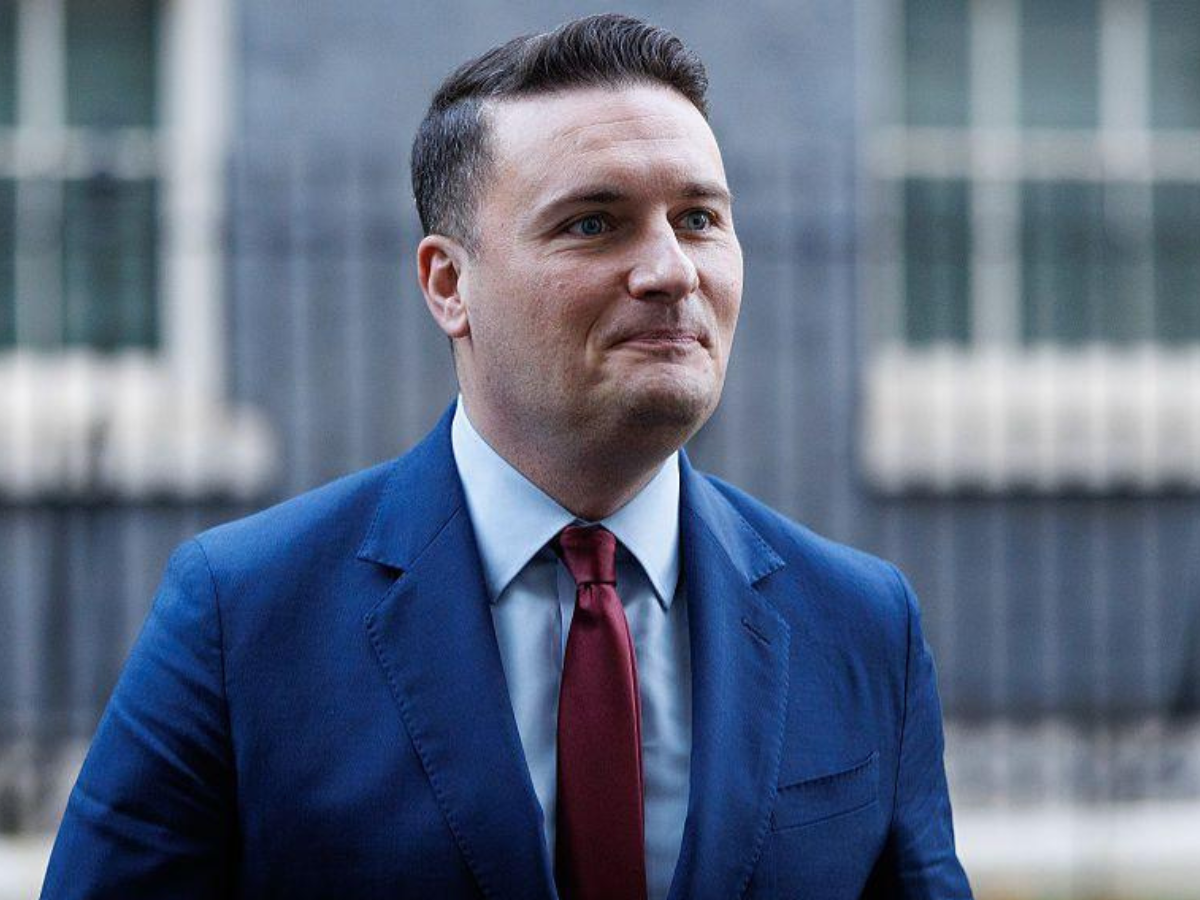
The Department of Health and Social Care advertised the role of independent co-chair for the National Cancer Board on 7 April 2026, with a closing deadline of 16 April 2026. The window spanned nine calendar days, or seven working days, for a position that carries significant responsibility for overseeing the government's forthcoming national cancer plan.
The brevity of the recruitment period has drawn criticism from figures within the health sector, who argue that the timeline falls well short of what is needed for a fair and competitive public appointment process.
A short window for a senior post
The National Cancer Board was established to provide strategic oversight of cancer care delivery across England. The co-chair role sits at the centre of that structure, responsible for ensuring clinical and independent accountability as the government pursues commitments set out in its cancer plan. The position is expected to shape how services are commissioned, evaluated and improved at a national level.
Given the seniority of the role, critics argue that nine days is insufficient for qualified candidates to assess the opportunity, consult with their employers regarding potential conflicts of interest, and prepare a credible application. Many senior clinicians, academics and health leaders operate within complex institutional arrangements that require internal clearance before they can formally apply for external appointments.
Concerns over fairness and process
Several stakeholders have raised questions about whether such a compressed timeline could, in practice, restrict the field to those with prior knowledge of the vacancy or existing relationships within the department. In competitive public appointments, a longer advertisement period is generally considered essential to attracting a wide and diverse pool of candidates.
Short timescales of this kind can, intentionally or otherwise, favour individuals who are already embedded in relevant networks or who have been informally consulted ahead of a formal process. This perception, even where the process itself is conducted properly, risks undermining confidence in the appointment.
Concerns about transparency in senior NHS and government appointments are not new. Public appointments guidance from the Cabinet Office sets out principles including openness and fair and equal treatment of applicants. Critics contend that a seven working day window sits uneasily alongside those standards, particularly for a role of this profile.
The department's position
The DHSC has not publicly addressed the criticism in detail. The department is understood to have prioritised speed in filling the co-chair position in order to progress the national cancer plan, which the government has indicated it intends to publish and begin implementing without delay. Ministers have made cancer care a visible priority, and the board is intended to be operational as early as possible.
That rationale, however, has not satisfied those who believe that urgency should not come at the cost of a rigorous selection process. Public confidence in the independence of bodies such as the National Cancer Board depends in part on the credibility of how their leadership is chosen.
Current status
The vacancy has now closed. A start date for the incoming co-chair has not been publicly confirmed, and the DHSC has not announced a shortlist or indicated when an appointment is expected to be announced. The department has not confirmed whether the role attracted a sufficient number of applications to proceed directly to interview, or whether any further steps in the process are planned.
The National Cancer Board's ability to function as an independent and credible oversight body will, to a considerable degree, rest on the perception that its leadership was appointed through a process that was open, competitive and fair. Whether a nine-day recruitment window meets that standard is a question the department may face more directly once an appointment is made public.



.png)
.png)
.jpg)