
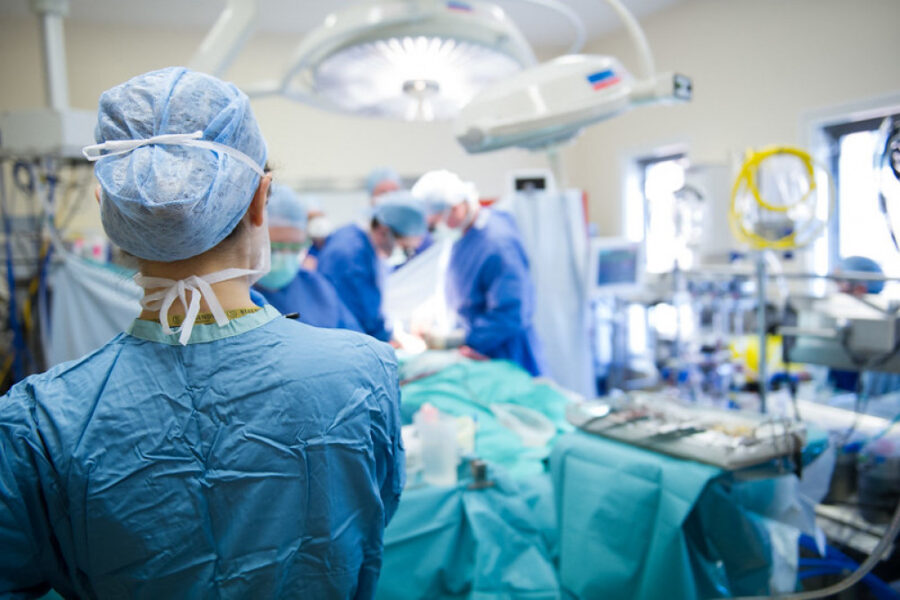
New data from the NHS for April 2024–March 2025 reveals a historic milestone in England's maternity care: caesarean sections have surpassed spontaneous vaginal births as the most common mode of delivery. Surgical births accounted for 45.1% of the total, edging out spontaneous vaginal births at 43.8%, while the remaining deliveries required assisted methods (e.g., forceps). This marks a significant departure from decades when "natural" birth predominated.
This shift reflects a steady, long-term increase in surgical deliveries, which made up around one in four just over a decade ago. A number of interlinked factors drive the evolution of childbirth. Women aged 30 and over have an increasing likelihood of a surgical delivery. For women aged 40–44 in 2024–25, the C-section rate reached nearly 57.9%. Higher rates of obesity, diabetes, and hypertension complicate labour and often lead clinicians to recommend caesareans for safety. Finally, nearly half of all C-sections were planned elective procedures, which women chose in advance. These procedures offer women predictability and control, sometimes following a traumatic previous birth, though they remain major surgery with longer recovery.
Changes within the healthcare system and clinical practice also shape the rise. Staff shortages and stretched resources in NHS maternity services contribute to risk-averse clinical cultures. Anxiety over variable staffing levels and past poor care experiences in labour have reportedly pushed some women towards planned C-sections as a perceived safer alternative. Furthermore, historical targets that aimed to limit C-section rates were abandoned because concerns arose that they led to unsafe practices, which prioritised "normal birth" over individual patient need. Current NHS guidance now supports women’s preferences, where appropriate, after proper counselling on risks and benefits.
While the Royal College of Obstetricians and Gynaecologists (RCOG) maintains that no ideal C-section rate exists, the scale of the shift has ignited a debate. Some clinicians argue that high surgical birth rates may signal systemic issues, such as insufficient labour support or staffing shortages, rather than just clinical need. They suggest that we should view data alongside outcomes like maternal morbidity.
Patient perspectives are evolving, and many welcome increased choice and challenge the stigma around surgical birth, emphasising that delivery decisions are personal and complex. It remains crucial to remember that a C-section is a major abdominal operation with risks, including infection, haemorrhage, longer recovery, and implications for future pregnancies (e.g., placenta accreta). As maternity services adapt, the focus for 2026 and beyond will be on balancing clinical safety, maternal choice, and service capacity. Ensuring robust support, reliable data, and respectful discussions about risks and benefits for all women will be central to achieving positive outcomes.



.jpg)
.jpg)
.jpg)