.png)
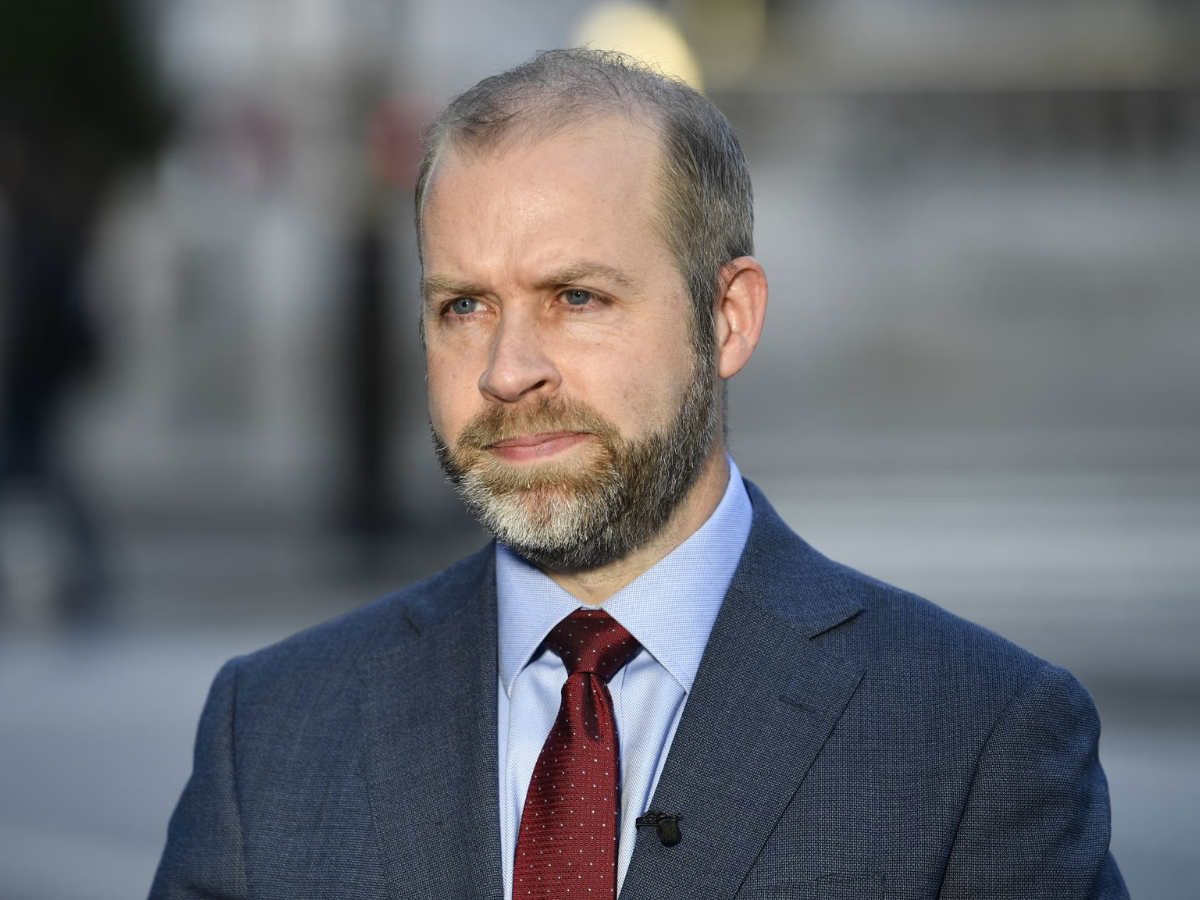
The photograph tells its own story. Keir Starmer, standing inside a Berkshire drone factory, announcing a £298bn defence investment plan with the practised gravity of a leader tying up loose ends before departure. Nearby, an ally of the man expected to succeed him described the arrangement in blunter terms: an unexploded bomb, left ticking in the Treasury's in-tray for someone else to defuse. That someone is Andy Burnham, and the device in question is a £4.7bn funding gap he was reportedly not told about when briefed on the plan. It is an inheritance that arrives with unusually sharp implications for health policy, at the exact moment Burnham's NHS devolution credentials are supposed to become his governing asset rather than his backstory.
Every fiscal event now carries a shadow cost. Nearly a third of the defence package remains unfunded, with £1.8bn required in the next financial year alone, and the Treasury has been candid that some of it will simply have to be found at the next budget. Burnham inherits that arithmetic at precisely the moment his government will be expected to make good on the reform agenda Wes Streeting set in motion, including the consolidation of integrated care boards, continued funding for the Federated Data Platform and other digital transformation programmes, and whatever settlement finally emerges from the long-running argument over NHS workforce pay and training capacity. None of that is cheap, and all of it now competes for headroom against a defence commitment that was announced without being fully paid for.
The instinct in Whitehall will be to look at the £24bn of fiscal headroom identified at the spring statement and treat it as an obvious solution. But that headroom was never earmarked for defence, and drawing on it invites the same criticism levelled at proposals for dedicated defence bonds, which Starmer himself dismissed as borrowing by another name. Higher borrowing costs do not stay contained within the department that incurred them. They raise the cost of capital across government, including for the estates modernisation and technology investment that NHS trusts have been waiting years to receive.
A chancellor who borrows to cover a defence shortfall inherited from the previous administration is, in effect, borrowing against future health spending as well, whether or not that connection is ever stated publicly. There is a political dimension here that goes beyond spreadsheets. Burnham has built his national profile on the argument that devolved, locally accountable leadership produces better outcomes than command-and-control from Whitehall, NHS included. That argument depends on having genuine fiscal room to manoeuvre once in office. A government forced into its first budget explaining an inherited black hole is a government whose early narrative is set by someone else's decisions, not its own priorities.
Conservative critics have already reached for the framing of a poison pill, and it is not hard to see why. The efficiency savings built into the defence plan, including a 10% cut to MoD civil servants and reduced consultancy spending, will be held up by Burnham's opponents as evidence that similar discipline should apply to NHS management costs, an argument that tends to resurface whenever departmental budgets tighten regardless of its actual relevance to frontline delivery. For NHS leaders watching this unfold, the practical question is not abstract.
It concerns whether capital funding for digital infrastructure, workforce expansion and the estates backlog will survive a fiscal environment now complicated by a defence commitment made before Burnham had any say in it. Life sciences and health-tech firms watching British Business Bank investment activity will be asking a similar question about the durability of that funding pipeline once broader spending pressure intensifies.
None of this means the defence plan was wrong to proceed, nor that Burnham will necessarily struggle to manage it. Governments absorb inherited fiscal pressures routinely, and £4.7bn is a manageable sum against total managed expenditure.
But the manner of the handover, and the suggestion that details were withheld until after the fact, sets an early tone. Burnham arrives in office carrying someone else's bill, at the precise moment his own health reform agenda needed room to breathe.


.jpg)
.jpg)