
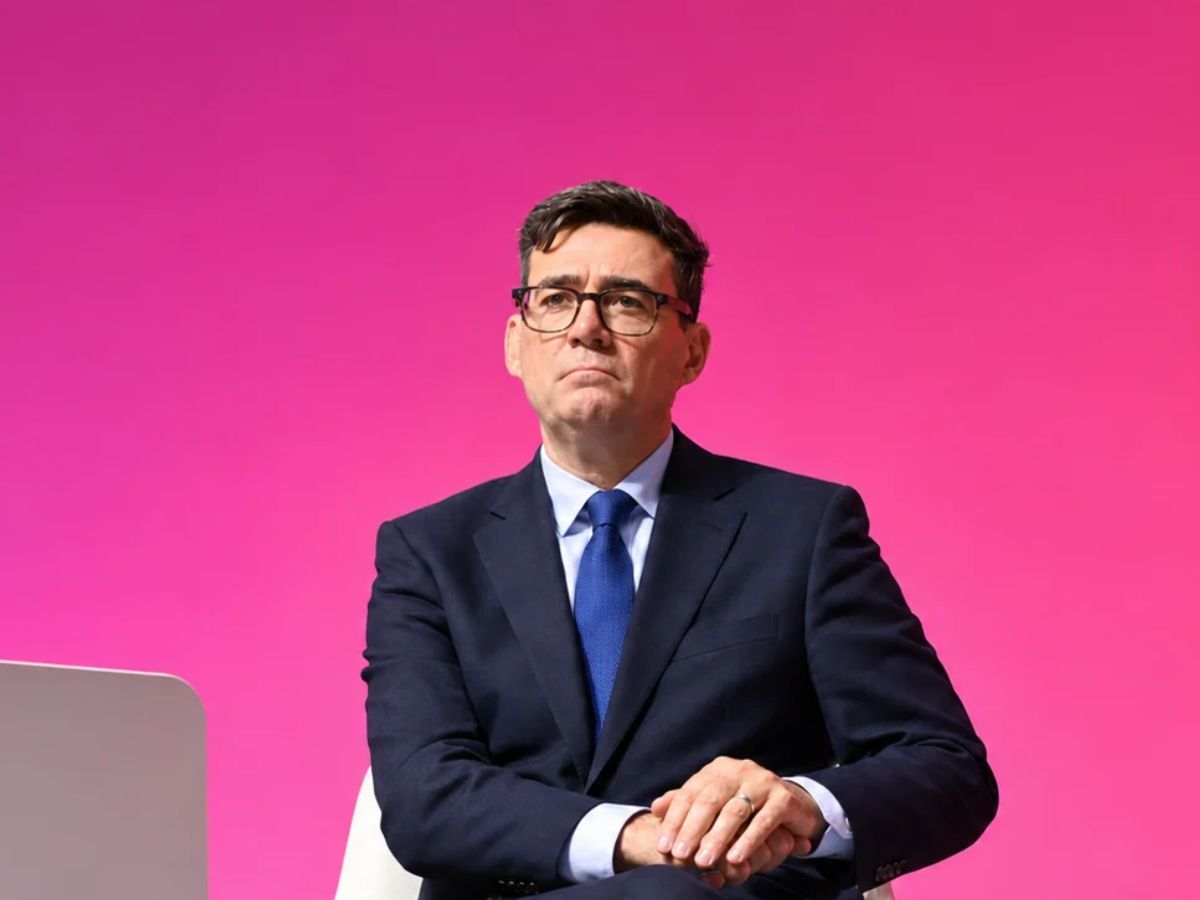
On Tuesday in Liverpool, delegates beside the Mersey will hear a prime minister who has held office for 71 days and has never fought a general election as party leader. The conference slogan promises hope. Chief executives in hospital trusts, watching from Manchester to Plymouth, will listen for something narrower. They want to know whether the funding settlement and the reform programme they are midway through will survive a change of occupant in Downing Street.
Burnham reached Number 10 through an internal party transition. He carried no national campaign and no manifesto, which gives him latitude and leaves a gap. Little is publicly known about how he intends to govern beyond a few modest early measures, such as a cut in tax on electricity bills and a cap on bus fares. Those have produced a poll bounce. Bounces fade, and the health service is where a fading mood turns into a verdict, since it consistently ranks among the first issues voters raise. Delivery plans in health also run over years, so vagueness at the start becomes expensive later.
The NHS connection is direct and unusually personal. Burnham was Health Secretary under Gordon Brown and commissioned the first inquiry into the failings at Mid Staffordshire hospital, an episode that shaped a generation of thinking about safety and accountability. As shadow health secretary he argued for a single national service covering health and social care. As Mayor of Greater Manchester he then oversaw one of the few English experiments in devolved health and social care spending, worth several billion pounds a year. No recent prime minister has arrived with that combination. Colleagues in the service will assume, reasonably, that he has views and intends to act on them.
Health is where his preference for devolved, place-based government meets its hardest test. The previous administration left a ten year plan built around neighbourhood care, digital records and prevention, along with an unfinished merger of NHS England into the Department of Health and Social Care. Burnham must decide whether to adopt that inheritance or rework it. Continuity gives up distinctiveness. Reworking reopens a structural upheaval that trusts have absorbed repeatedly since 2012 and have little appetite to repeat. Public trust is thin enough that another reorganisation, however well argued, would be judged by the queue outside the door.
Operational pressure limits his room. The elective waiting list remains measured in millions, the 18-week standard is still missed by a wide margin, and industrial relations remain a live risk. Social care, the obvious signature of a Burnham premiership, would ease pressure on hospital beds but costs money the Treasury has not identified. He has argued that his economic approach should reassure bond investors. Gilt markets will test that claim at the first fiscal event, and any health commitment will be read through it.
The practical consequences are already visible. Integrated care boards, which have been told to halve their running costs, should expect early questions about whether budgets move closer to mayors and local authorities. Providers should prepare for a sharper focus on community and social care capacity. Life sciences and health-tech firms face a government whose leader has run a region that pooled commissioning across health and social care, which favours suppliers able to sell to local systems as well as through national frameworks. Patients will care less about the architecture than about whether the wait for a scan shortens.
Tuesday's speech will be judged in trusts and clinics long before it is judged in the conference hall. A prime minister with this record cannot plausibly leave health as a footnote. If he attaches dates and money to social care and devolved budgets, he will have defined his premiership in the one policy area where he needs no introduction. If he offers atmosphere alone, the service will treat it as weather and carry on managing the queue.



.jpg)
.jpg)