Bayer has agreed to pay up to $3.25 billion for an experimental cancer treatment developed by China’s Hansoh Pharma, in a deal that underlines how rapidly the balance of power in pharmaceutical research is changing. The agreement gives the German pharmaceutical group exclusive rights to develop, manufacture and commercialise HS-20122 across global markets, excluding mainland China, Hong Kong, Macau and Taiwan.
Hansoh will receive $150 million upfront, with a further $3.1 billion potentially payable through development, regulatory and commercial milestones. The Chinese company will also receive tiered royalties on future sales. The agreement, announced on 25 November, remains subject to the necessary antitrust clearances.
The headline figure is substantial, particularly for a medicine still in Phase I clinical development. Bayer is committing significant resources before the treatment has established its effectiveness in larger trials or secured regulatory approval. The decision reflects the commercial interest surrounding antibody-drug conjugates, a class of medicines attracting considerable investment as pharmaceutical companies search for more precise ways to treat cancer.
HS-20122 is a bispecific antibody-drug conjugate designed to target two proteins, EGFR and c-MET, which can be expressed on the surface of cancer cells and contribute to tumour growth and treatment resistance. Its antibody component is engineered to recognise both targets, while carrying a cytotoxic payload intended to kill malignant cells. The approach aims to deliver chemotherapy more selectively, potentially reducing damage to healthy tissue.
The drug is being investigated in advanced solid tumours, including non-small-cell lung cancer (NSCLC), which accounts for approximately 85 per cent of lung cancer cases worldwide. Its clinical results have already attracted attention. Data presented at the European Society for Medical Oncology congress in October 2026 came from an ongoing first-in-human Phase I study involving 215 patients with different advanced solid tumours.
Among patients with EGFR-mutated NSCLC whose disease had progressed following treatment with EGFR tyrosine kinase inhibitors, HS-20122 produced an overall response rate of 61.3 per cent. The six-month progression-free survival rate was 75.3 per cent. Across all tumour types included in the study, the overall objective response rate was 44.1 per cent.
These figures offer an encouraging early indication of activity, particularly in a patient population with limited treatment options after previous targeted therapies have failed. However, the distinction between early clinical promise and established patient benefit remains important. Phase I studies primarily assess safety, tolerability and initial evidence of efficacy. Larger and longer studies will be needed to establish whether the results translate into durable clinical benefit.
For Bayer, the agreement fits an oncology strategy that has increasingly placed precision medicines at the centre of its pharmaceutical ambitions. The company already has an established cancer portfolio, including Nubeqa, its prostate cancer treatment, and is seeking to expand its pipeline through research and external partnerships.
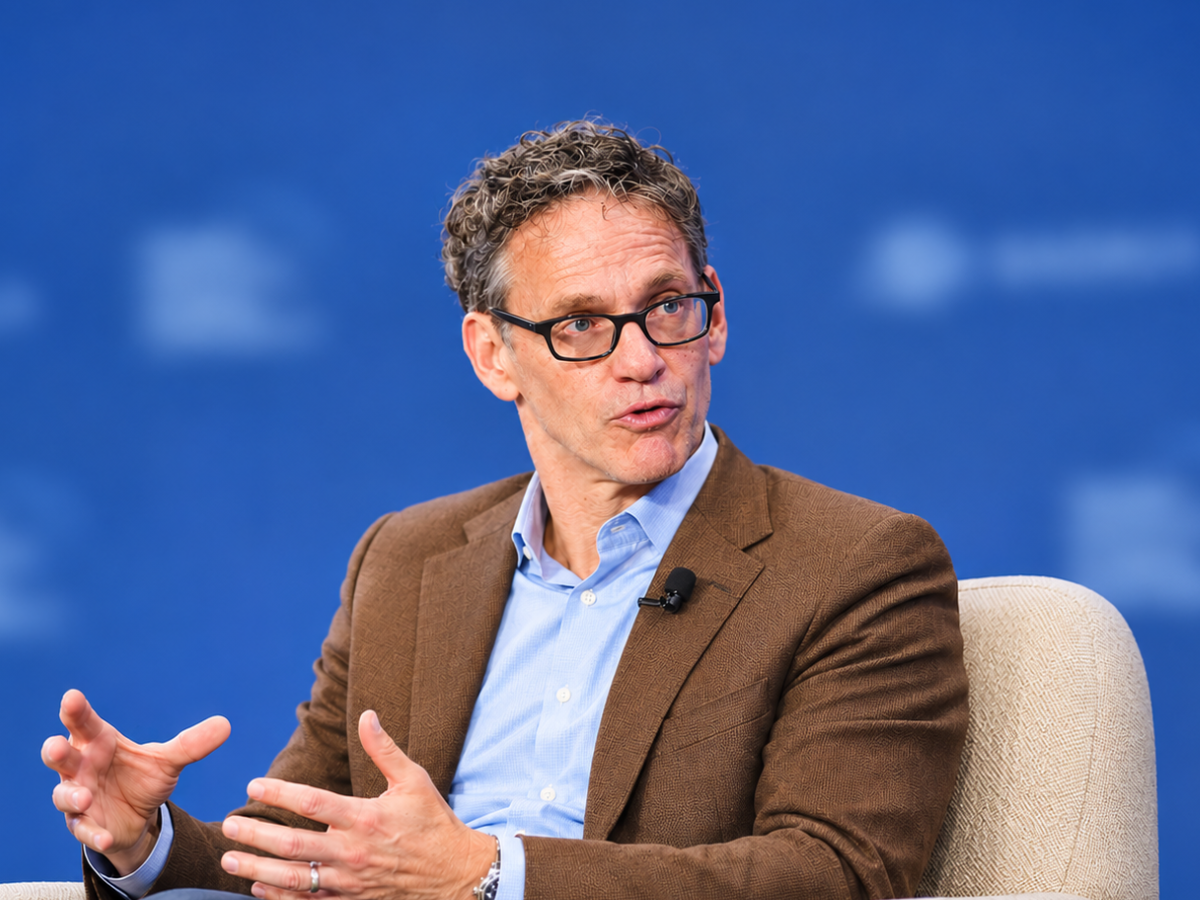
Juergen Eckhardt, head of business development and licensing at Bayer's Pharmaceuticals Division, said the partnership would support the company's precision oncology strategy through the development of ADCs designed to target tumour cells more selectively. He also acknowledged that patients with lung cancer continue to need treatments offering greater efficacy and improved tolerability.
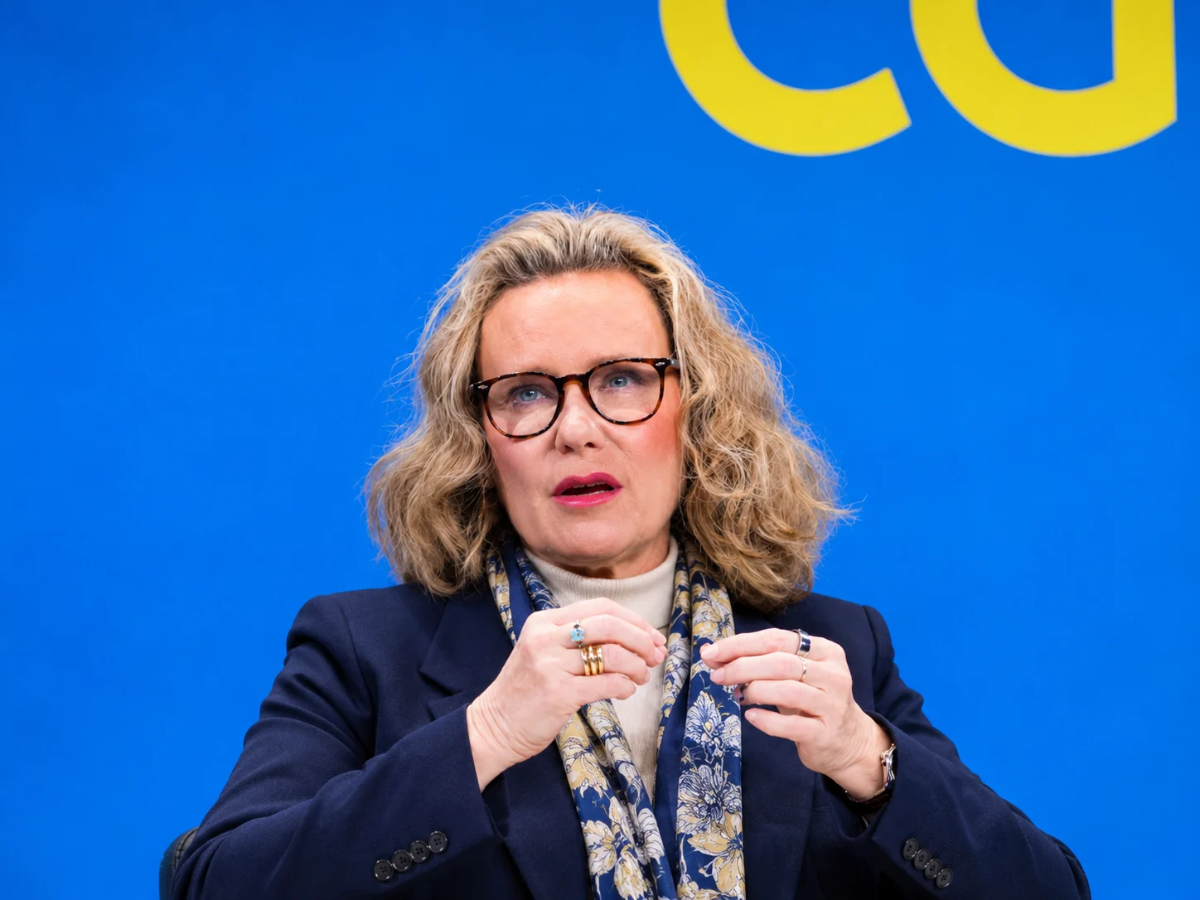
Eliza Sun, executive director of Hansoh Pharma's board, said the company was pleased to work with Bayer on a treatment that had demonstrated promising clinical activity across several tumour types. She pointed to Hansoh's ADC technology and existing lung cancer research as foundations for the collaboration.
The transaction also gives Bayer access to a field in which its international competitors have been moving quickly. Western pharmaceutical companies are increasingly looking towards Chinese biotechnology businesses for innovative drug candidates, particularly in oncology, where research costs, development timelines and competition for promising targets have made external licensing an important part of pipeline strategy.
Hansoh itself has become a significant participant in this shift. In October, the company signed a separate agreement with Roche covering a broad portfolio of antibody-drug conjugate programmes. The arrangement included $400 million upfront, a further $110 million payment after the first anniversary and potential milestone payments exceeding $15 billion, alongside royalties. Roche will take responsibility for further development after the programmes complete early global clinical trials.
GSK has also been advancing a Hansoh-developed cancer medicine, risvutatug rezetecan, commonly known as Ris-Rez. The B7-H3-targeting ADC has produced encouraging Phase III results in relapsed small-cell lung cancer in China. In the ARTEMIS-008 trial, patients receiving the treatment had median overall survival of 18.5 months, compared with 10.3 months for those receiving topotecan. GSK is developing the medicine for markets outside China.
The significance of these agreements extends beyond the individual companies. Chinese pharmaceutical developers are increasingly producing clinical-stage assets that can compete for the attention of multinational drugmakers. Their role is evolving from manufacturing and supplying established medicines towards discovering and developing proprietary treatments that attract substantial international investment.
For Bayer, the HS-20122 agreement offers access to a potentially valuable cancer treatment without having to originate the programme itself. Hansoh gains an international development and commercialisation partner with established global capabilities. The financial structure also places much of the eventual payment behind clinical and regulatory progress.
There is considerable work ahead before HS-20122 can become a medicine available to patients. Its Phase I results will need to withstand further testing, and the eventual commercial value remains uncertain. Yet the scale of Bayer's commitment sends a clear signal about where the pharmaceutical industry sees opportunity. Some of its next major cancer treatments may emerge from laboratories in China, with Western drugmakers increasingly prepared to pay billions for the right to bring them to the world.