
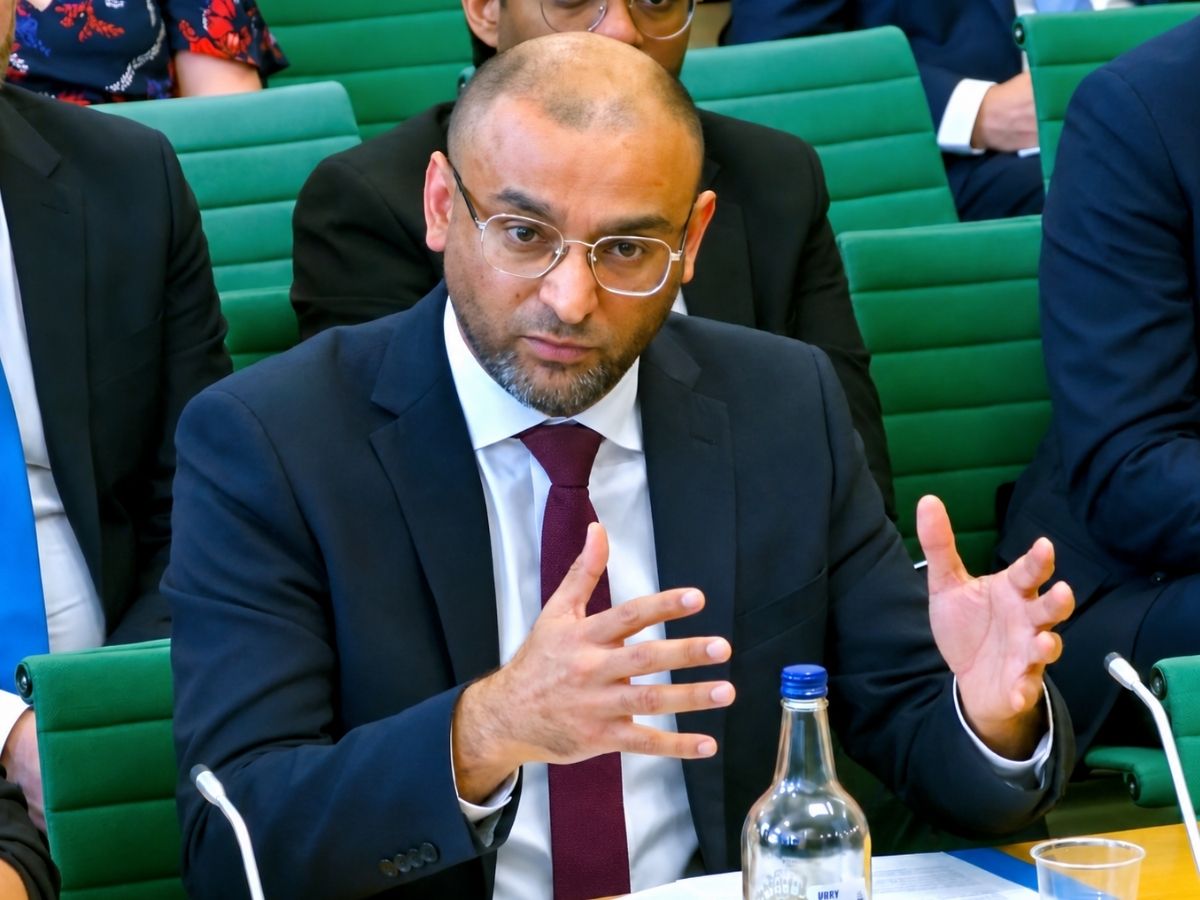
Ayub Bhayat, NHS England’s Chief Data and Analytics Officer, now sits at the centre of one of the consequential technology programmes in the health service. The NHS Federated Data Platform is moving beyond deployment and into a harder phase: proving that data infrastructure can improve access, productivity, patient flow and operational decision-making. For Bhayat, this is no longer a digital programme. It is becoming a test of whether NHS data can materially change NHS performance.
The challenge is substantial. The NHS already produces huge volumes of information, but much of it remains fragmented across hospitals, local systems, operational teams and reporting processes. That fragmentation matters because the health service is being asked to reduce waiting lists, improve access, move care closer to home and extract more value from constrained resources. Bhayat’s task is therefore not to persuade the NHS that data matters. That argument was won years ago. His task is to make data useful at the precise point where operational decisions are being made. FDP is intended to provide that foundation, giving organisations a more consistent view of waiting lists, capacity, theatres, discharge, patient flow and other pressures. The significance is practical. A hospital should be able to identify unused capacity before it is lost, understand where patients are becoming stuck and act before operational problems become tomorrow’s performance statistics across the service today.
That is why the next phase of FDP will define Bhayat’s tenure far more than the number of organisations connected to the platform. NHS England has moved the programme into widespread use, but adoption is only the beginning. The questions are now tougher. Can FDP reduce wasted theatre sessions? Can it help teams discharge patients faster? Can it expose capacity that would otherwise sit unused? Can it improve management of elective waiting lists and reduce the hours clinicians and managers spend manually reconciling spreadsheets? The answers will determine whether FDP becomes enduring NHS infrastructure or another system layered on top of existing complexity. Bhayat also has to solve a problem that has defeated NHS technology policy: how to combine national consistency with local flexibility. Too much central control risks building tools that do not reflect frontline reality. Too much local autonomy creates duplication, incompatibility and hundreds of organisations solving the same problem separately. FDP has the opportunity to establish the common architecture beneath the service while allowing local teams to build workflows around their own operational needs. If Bhayat gets that balance right, the platform could become less visible as technology because it becomes embedded in how the NHS works.
The political importance of that should not be underestimated. The government wants a more productive NHS without assuming that every problem can be solved through additional headcount or another round of emergency funding. That makes operational intelligence critical. Leaders need to know where capacity exists, where demand is rising, where patients are waiting unnecessarily and where resources can be redeployed. In that environment, the Chief Data and Analytics Officer becomes much more than the custodian of dashboards and datasets. Bhayat is effectively being asked to help create an operating system for a health service of extraordinary scale and complexity. Success will require ruthless measurement. The programme should be judged by fewer delays, better utilisation, faster decisions and tangible improvements in patient experience, not by deployment statistics alone. The more deeply FDP moves into frontline services, the harder it should become to separate the technology from the outcomes it enables nationally.
That is ultimately why Ayub Bhayat and the FDP matter. The NHS has spent decades talking about becoming data driven. This is the point at which that ambition has to become operational reality. If Bhayat can turn a national platform into better decisions across the NHS, FDP could become part of the machinery of the NHS. His real test is whether the health service performs better because it exists. That means proving value in everyday care: fewer avoidable delays, better use of theatres and beds, clearer visibility of demand, and faster action when pressure builds. If those outcomes become routine, Bhayat will have done something more than lead another NHS technology programme. He will have helped make data part of how the health service operates.



.jpg)
.jpg)