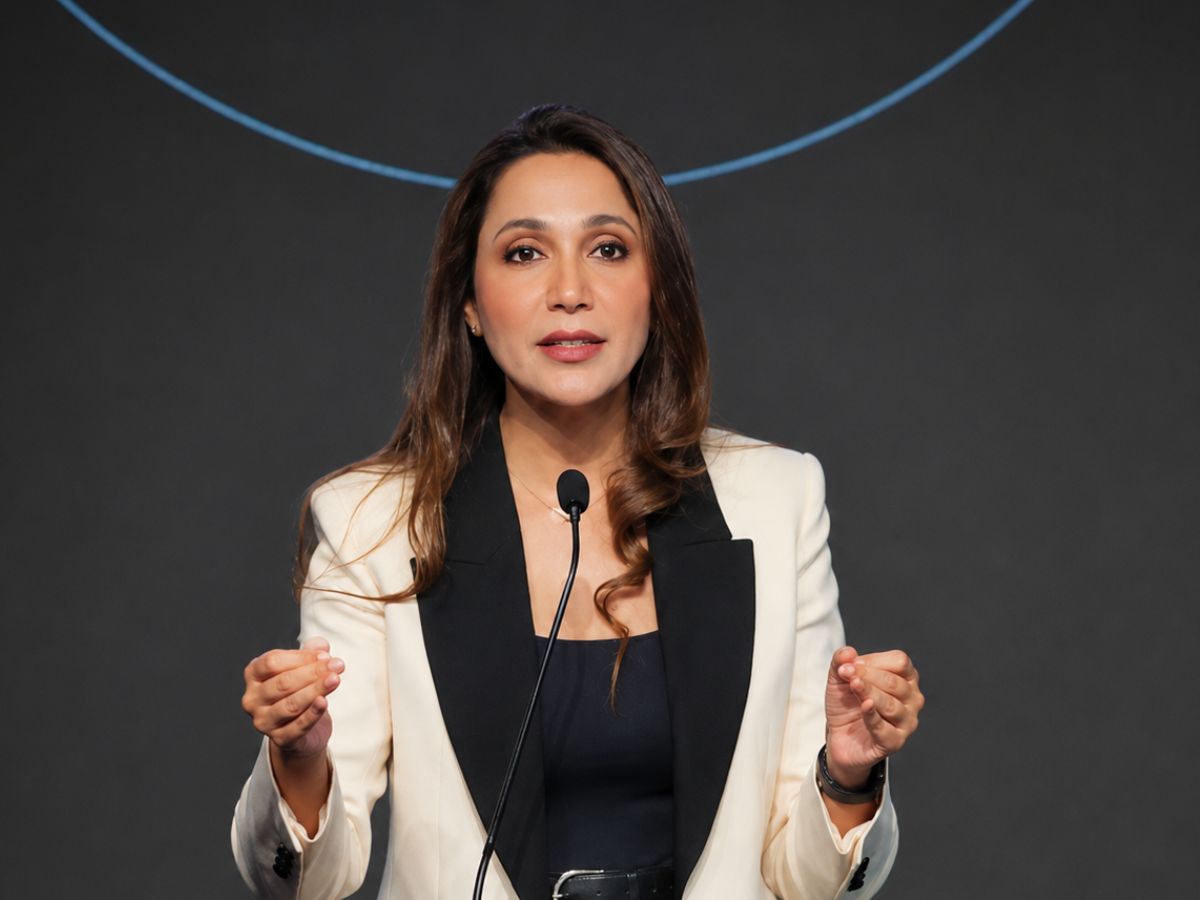
Dario Amodei, chief executive of Anthropic, has published an essay calling for a slowdown in the pace of artificial intelligence development, prompting a wave of criticism from across the industry, including from some of AI's most enthusiastic proponents.
Titled "Pacing the Frontier," the essay sets out Amodei's argument for how the technology should be managed going forward. According to commentary published this week, the criticism directed at the piece has come not only from established sceptics of rapid AI development, but from figures who count themselves among the technology's biggest supporters.
Amodei's essay makes three central proposals. The first calls for AI providers, including Anthropic, to allow external auditors to publish independent assessments of their models. Sam Altman, chief executive of OpenAI, reportedly agreed almost immediately to adopt this proposal. The second proposal calls for regulation of the sector, though without setting out specific detail on what form this should take. The third calls for cooperation between the United States and China to jointly address the risks posed by AI.
Critics have pointed to the financial context surrounding both men as relevant to interpreting their positions. Both Amodei and Altman are reportedly pursuing public listings valued at around $2 trillion, or £1.48 trillion, a scale of financial outcome that critics argue could reasonably be expected to influence their public positioning on regulation.
Some of the sharpest criticism has come from figures associated with the "accelerationist" wing of the AI community, which broadly favours faster, less restricted development of the technology. Guillaume Verdon, a former Google engineer associated with this movement, argued that regulatory proposals of this kind function as an attempt to constrain the growth of open source AI development through added bureaucracy. He further claimed that open source AI systems now offer performance close to that of leading proprietary models, at a fraction of the cost.
Ben Recht, a professor at Berkeley, offered a similar critique, arguing that a more effective path forward would involve strengthening the open source AI ecosystem, which he suggested would naturally reduce the influence of major closed AI laboratories. A further critique, attributed to the X account BetterCallMehdi, argued that Amodei's proposal risks treating AI breakthroughs originating outside Silicon Valley as illegitimate, describing the broader effect as the creation of a kind of corporate cartel within the industry.
Particular scrutiny has fallen on Amodei's auditing proposal. Commentary examining the plan noted that his preferred auditing organisation, MET-R, may not be as independent as the proposal suggests, pointing to a reported connection between the organisation and a researcher who recently departed Anthropic, both linked through shared ties to Effective Altruism networks and associated philanthropic funding sources connected to Amodei.
Dr Heidy Khlaaf of the AI Now Institute, who brings auditing expertise from the nuclear, aviation and cybersecurity sectors, was cited arguing that any arrangement in which a company selects its own auditor, particularly one with ideological or financial connections to that company, amounts to a form of regulatory capture rather than genuine independent oversight.
Amodei's warnings about the risks of advanced AI have also faced scrutiny. His essay reportedly includes claims involving so-called recursive self-improvement, alongside a warning that swarms of AI agents could gain control over the internet within a period of six to twelve months. Cybersecurity analysts Nathan Hamiel and Zack Korman were cited disputing the technical plausibility of this specific claim, drawing a distinction between it and established, well understood threats such as botnets. A research paper referenced in the commentary further argued that current AI self-refinement techniques do not amount to genuine recursive self-improvement in the sense Amodei described.
Taken together, the criticism suggests an alternative explanation for the timing and framing of Amodei's proposal, one rooted less in emerging technical risk and more in the broader financial pressures facing the AI industry, including softening demand relative to the scale of ongoing investment in data centre infrastructure. Under this reading, calls for an industry wide slowdown may serve a strategic purpose beyond safety concerns, offering a route out of an increasingly costly and competitive race among leading AI developers.


.jpg)
.jpg)