
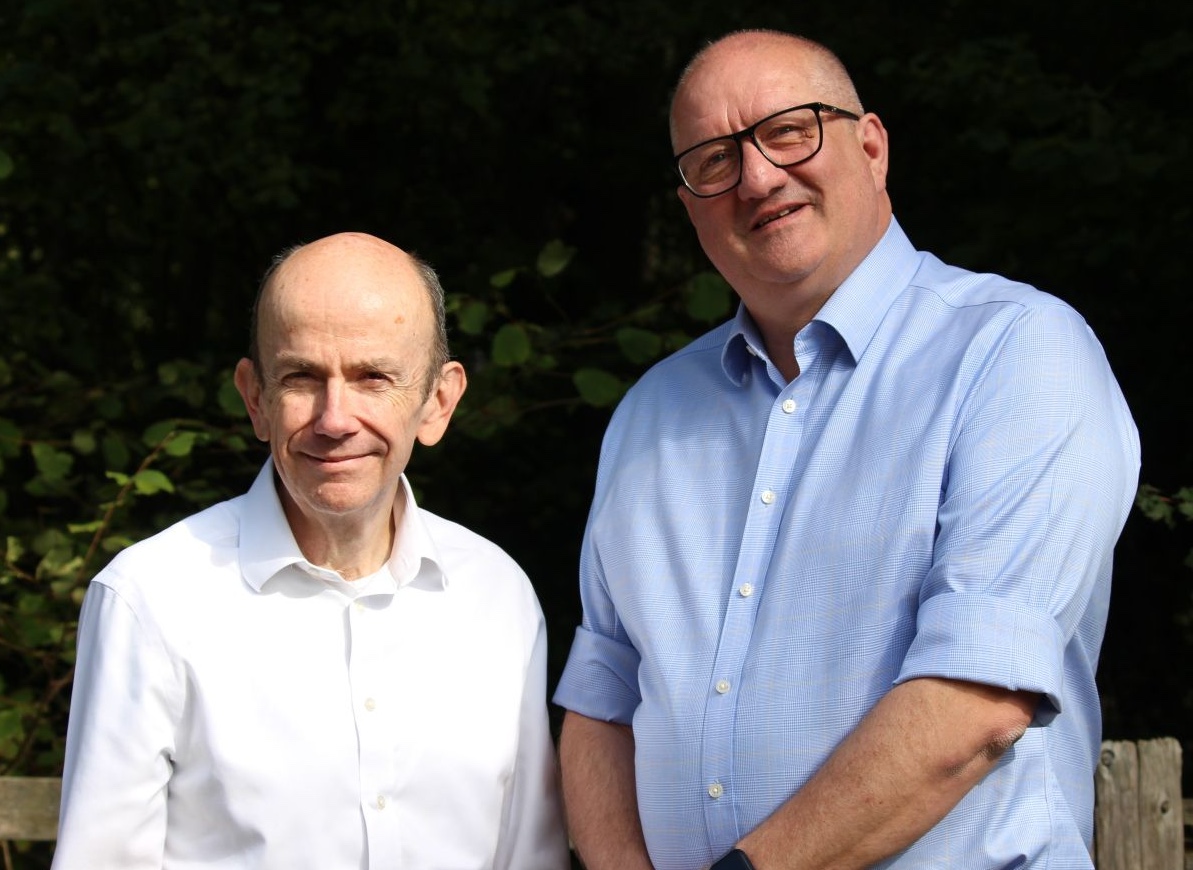
The creation of the country’s first ambulance trust group has entered a defining moment, with both incumbent chief executives confirming they will not seek to lead the new organisation. Simon Weldon of South East Coast Ambulance Foundation Trust and David Eltringham of South Central Ambulance Service Foundation Trust will each depart within months, setting the stage for a structural shift that aims to consolidate leadership, strengthen resilience and unlock shared learning across one of the most complex geographies in the NHS.
The two chairs, Sir Keith Willett and Michael Whitehouse, said the outgoing leaders will remain fully focused on guiding their organisations through winter and ensuring a smooth transition into the group model. Recruitment is now underway for the new joint chair and chief executive, with the chair applications closing in early January. It remains unclear whether either sitting chair will apply.
The group will cover a vast and varied region, running from Banbury to the Isle of Thanet, and will be expected to deliver financial efficiencies, coordinate shared roles and accelerate the spread of proven operational practice. The ambition is to build a structure that can standardise what works well while still allowing local teams to respond to the differing needs of urban, rural and coastal populations.
For the ambulance sector, which continues to absorb rising call volumes, workforce pressures and widening regional variation in performance, this move signals a test case for whether group models can offer a more stable and strategic operating environment. The success of the transition will depend on the ability of the incoming leadership team to bring coherence to a region of significant scale while maintaining pace in service transformation and resilience planning.
The departure of the two chief executives marks the end of a leadership era, but it also reflects a broader shift in how emergency care organisations are beginning to think about integration, governance and shared capability. What emerges in the spring will likely influence how other parts of the urgent and emergency care system consider collaborative leadership in the years ahead.



.jpg)
.jpg)
.jpg)