
The announcement of a five day walkout by resident doctors in mid December has pushed the NHS into one of its most volatile periods since the pandemic. The strike will run from 7am on 17 December to 7am on 22 December and represents the third round of industrial action this year. It arrives as winter demand accelerates and as the national mandate for resident doctors approaches expiry in early January, creating a narrow and politically charged window for negotiations.
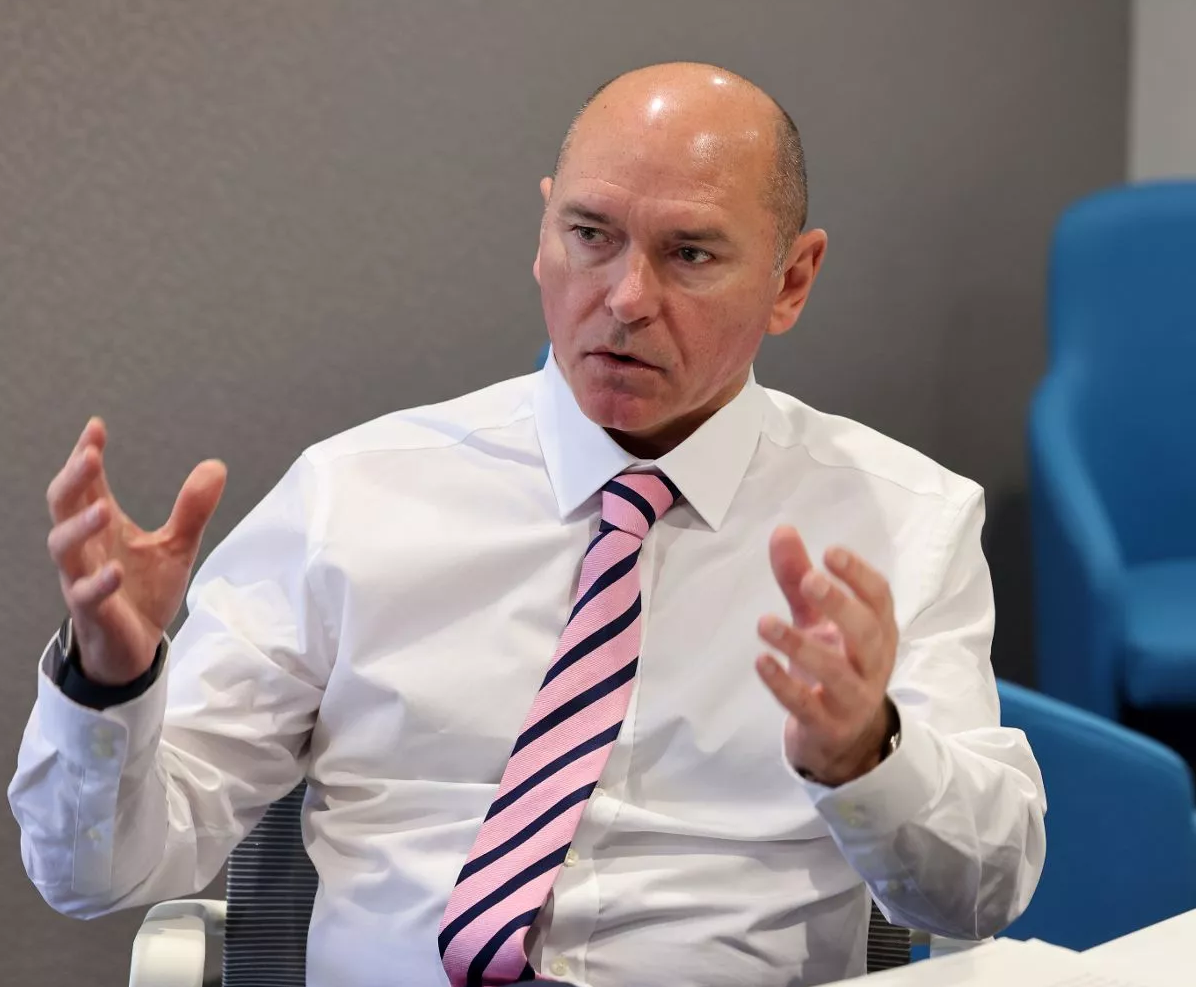
Sir Jim Mackey, chief executive of NHS England, delivered his starkest warning yet. He described the timing of the industrial action as cruel and calculated, arguing that the walkout is positioned at a moment when hospitals are already straining to manage flu admissions, rising acuity, and year end pressures. He cautioned that the service cannot assume this episode will mirror previous strikes. The winter context means elective cancellations may be unavoidable and operational resilience will be tested more intensely.
Senior operational teams are reviewing the policies that underpinned the NHS response during the covid era, including accelerated discharge, revised staffing models and increased use of virtual tools to maintain continuity where possible. Some regions fear the strike period could recreate the pressures of early pandemic waves, when demand outpaced available staff and decision making shifted hour by hour.
Resident doctor leaders defended their decision by pointing to unresolved issues around pay erosion, job security and working conditions. Jack Fletcher, co chair of the national committee, said that without a credible plan to stabilise the workforce and repair the long term decline in pay, further action had become unavoidable. He argued that the government could still prevent the walkout through a phased pay restoration approach and clearer protections for resident doctors progressing through training.
The dispute has hardened on both sides. Sir Jim has previously described the timing of strikes as reckless behaviour designed to maximise disruption to patient care, particularly as winter morbidity builds. The union maintains that the absence of progress leaves doctors with no remaining leverage except withdrawal of labour. Between these positions sits a service preparing for the most challenging period of the year, with leaders bracing for the operational, financial and human cost of another prolonged walkout.
The coming weeks will determine whether the NHS faces a winter defined by compromise or confrontation. For now, the mood across the service is one of unease as planning teams attempt to safeguard urgent care, protect vulnerable patients and absorb another round of national disruption at the very moment stability is most needed.



.jpg)
.jpg)
.jpg)