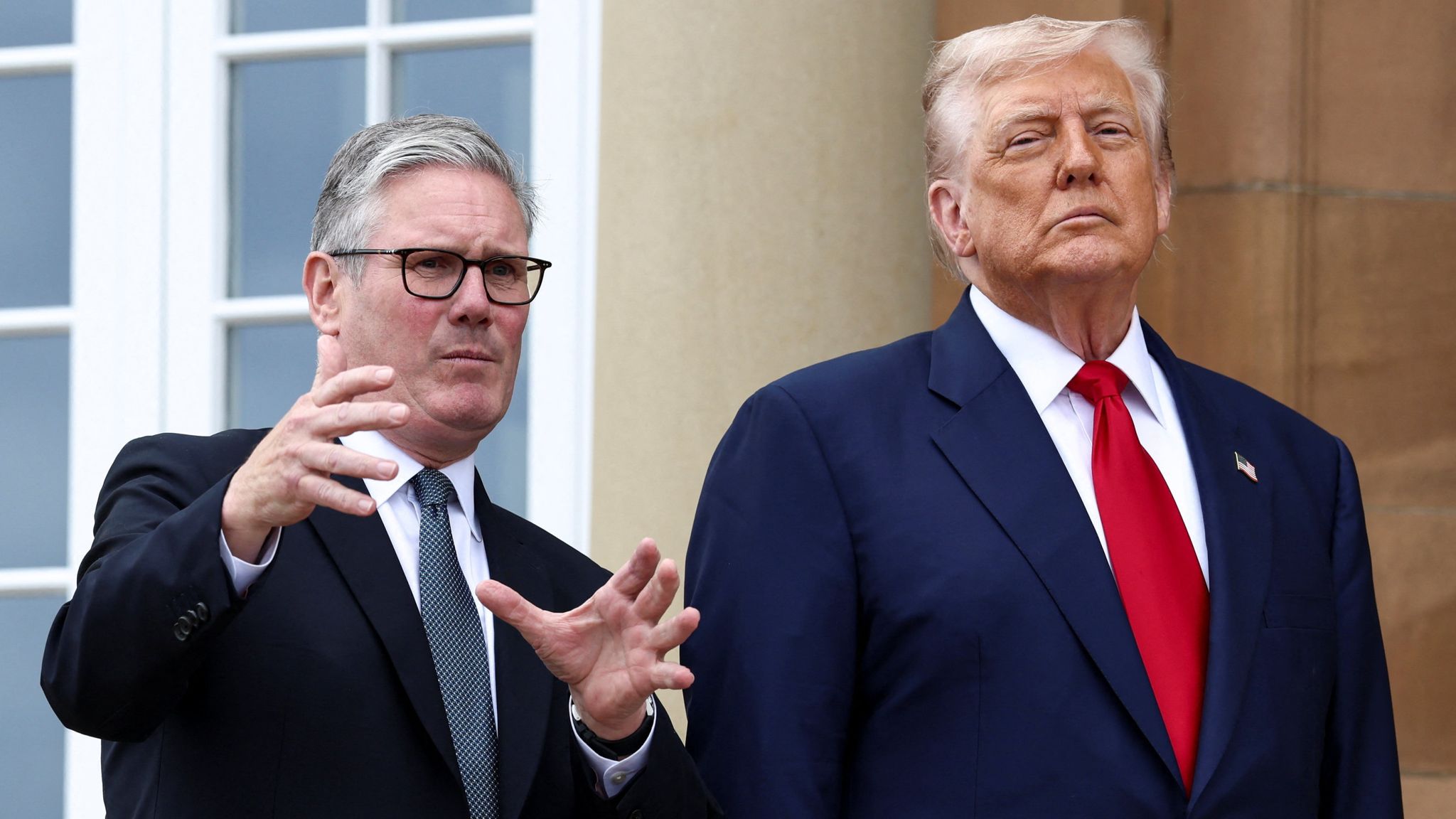
The revelation that the NHS may face an additional £3bn a year in drug costs has landed with the force of a warning signal. The new UK medicines pricing agreement, shaped in part by fears of punitive tariffs threatened by US president Donald Trump, has left the health service preparing for a scale of financial impact far beyond what most systems could absorb without consequence.
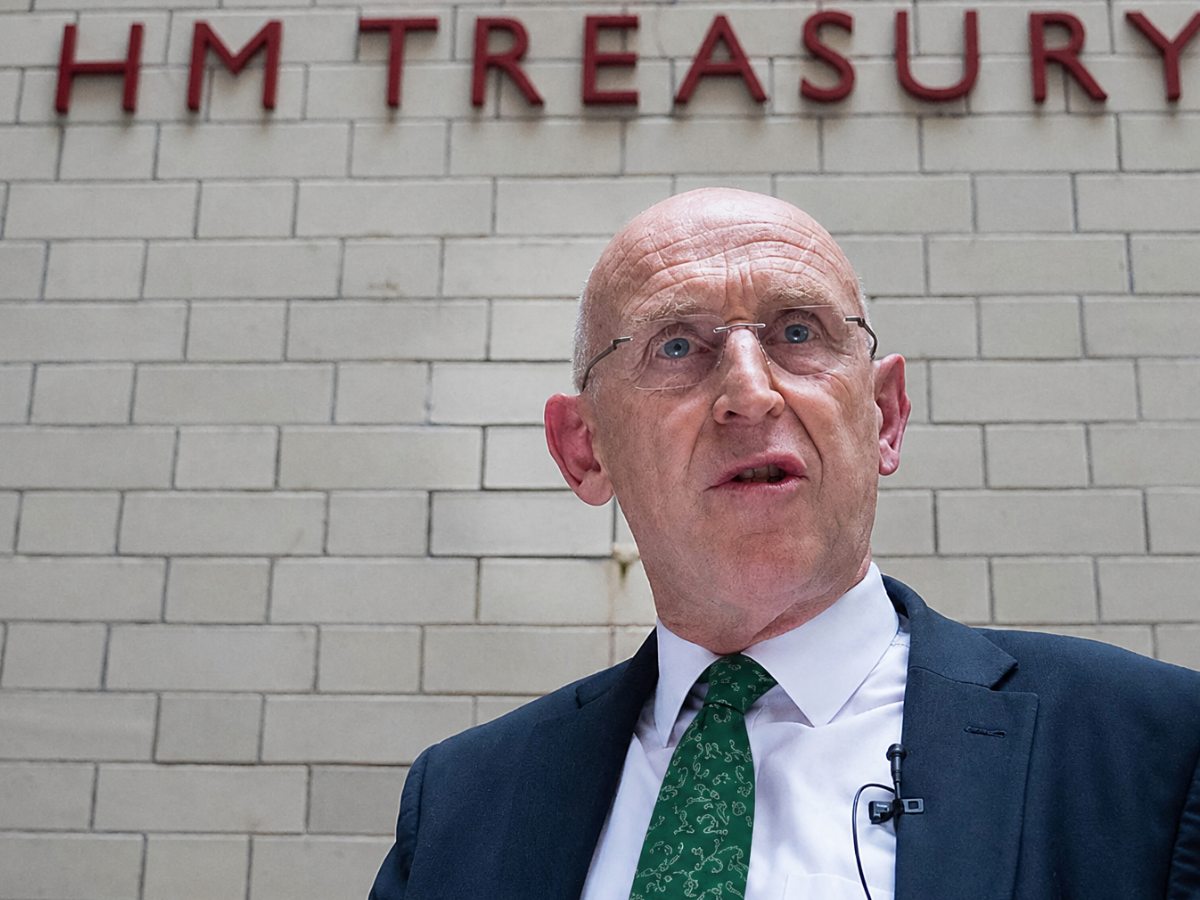
Behind the headlines is a picture that should trouble policymakers. The NHS is now in the position of seeking further Treasury support not because of domestic policy choices, but because of the ripple effects of geopolitical pressure and pharmaceutical market negotiations. When global politics shifts, the NHS pays the price. In this case, quite literally.
The new drug pricing settlement is intended to stabilise the UK medicines market and maintain the country’s attractiveness to life sciences companies. Yet the unintended outcome is a structural financial exposure that the service cannot absorb within its existing budgets. Ministers have long argued that the NHS can drive productivity and modernise, but even the most ambitious digital reforms cannot erase a £3bn annual cost increase that arrives almost overnight.
For NHS finance leaders, the implications are immediate. A system already contending with deficits, winter escalation plans and compressed capital envelopes must now model the impact of the most significant change to drug spending in over a decade. Trusts are asking the obvious question. What activity will be reduced if the Treasury does not intervene.
For clinicians, this raises another concern. The UK’s ability to adopt new therapies at pace is already uneven. A tightening of medicines budgets could widen access disparities between conditions and across regions. It risks slowing progress on areas such as oncology, rare disease and advanced therapies where innovation depends on predictable funding streams.
The broader lesson is one the government has been reluctant to confront. The NHS remains structurally vulnerable to global political decisions that fall far beyond its control. International tariff threats, supply chain volatility and commercial drug negotiations now shape domestic spending levels as much as any departmental strategy. Without a long term settlement that recognises this exposure, the NHS will continue lurching from crisis to crisis, forced to absorb shocks it did not create.
The request for additional funding is not a bid for protection from reality. It is a recognition that the NHS cannot deliver population wide medicine access under rules written with international trade anxiety in mind rather than health system resilience. If ministers want a service capable of adopting world leading therapies, then its financial foundations must be protected from global turbulence.
A £3bn annual bill crystallises the issue with rare clarity. Drug pricing diplomacy has collided with domestic health policy. Unless the Treasury steps in, the consequences will be felt not only in NHS ledgers but across clinical pathways, innovation pipelines and patient access for years to come.


.jpg)
.jpg)
.jpg)