Wider use of barcode scanning in NHS hospitals could prevent 36 serious patient safety incidents a year and give staff more time with patients, according to a report by GS1 UK and Public Service Consultants. GS1 UK is the organisation behind the barcode standards used in the programme. The projections are the authors' own estimates and have not been independently verified.
The programme, known as Scan4Safety, was launched by the Department of Health and Social Care in 2016. Patients receive a wristband carrying a unique barcode on admission, and a scan of their bed bay confirms where they are. Medicines, medical devices and other equipment are scanned too. Staff therefore have an accurate, live record of what was used, where, when and for which patient.
The researchers examined 29 healthcare organisations across the UK and Ireland and drew on international case studies. They found that trusts which used the technology every day delivered safer care and managed stock and staff time more effectively.
Some of the clearest effects were on patient identification. At Royal Papworth Hospital NHS Foundation Trust, scanning flagged more than 2,000 incorrect wristband scans over two years, each before a medicine was given. At East Lancashire Hospitals NHS Trust, scanning and better stock control in the emergency department returned 168 hours of nursing time to clinical care each week. The trust also reported that no procedures were cancelled for lack of equipment over four years.
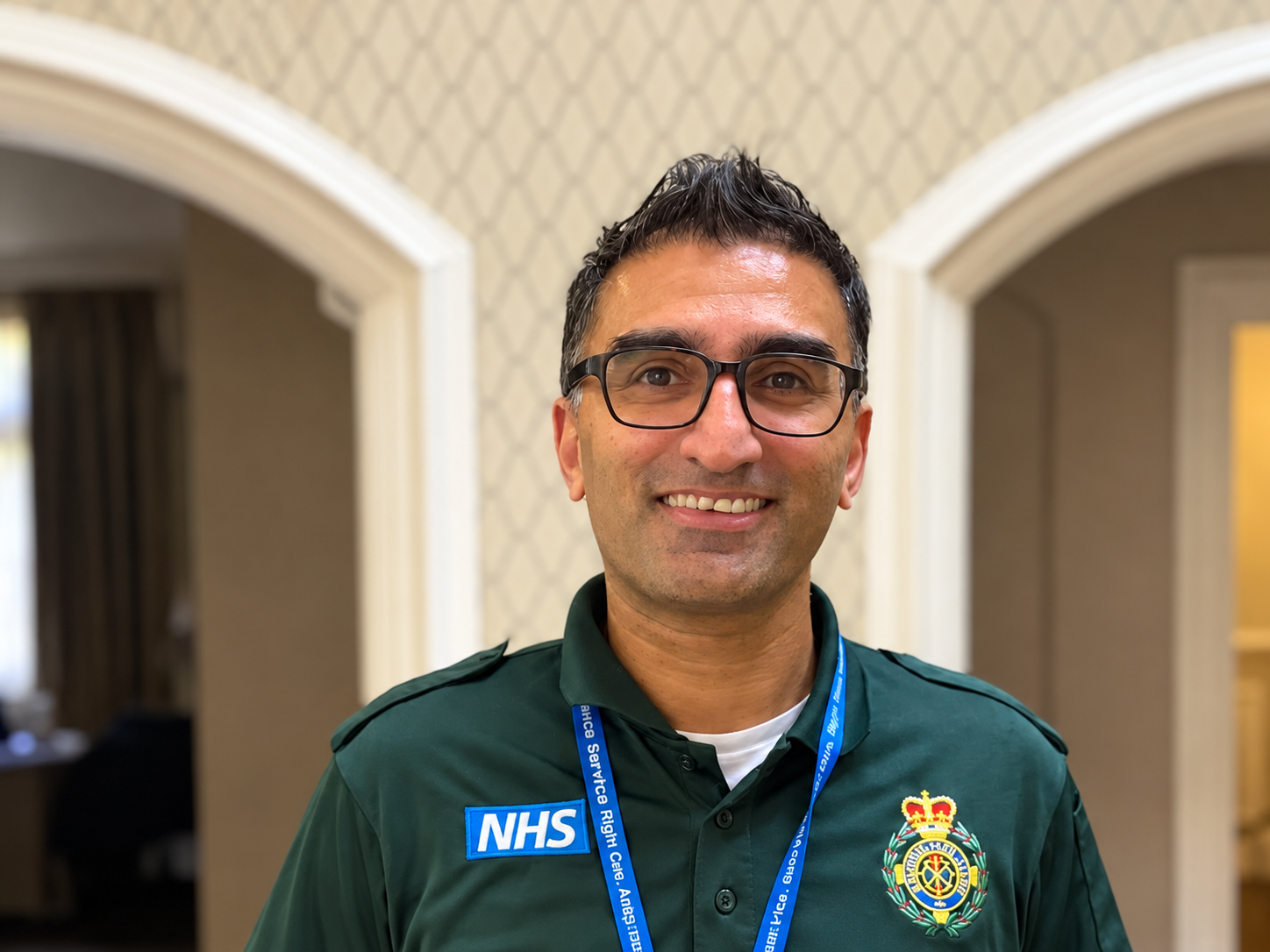
Product recalls showed the sharpest contrast. A recall at Leeds Teaching Hospitals NHS Trust that would once have taken eight days was completed in 40 minutes, and it produced a list of 500 patients for clinical review. North Tees and Hartlepool NHS Foundation Trust was sent a safety alert in 2024 concerning an implant used in operations. Without scanning, staff would have searched paper records to find the people affected. Ish Ahmed, an upper GI consultant and the trust's clinical Scan4Safety lead, said the list appeared "by the press of a button" within 17 minutes.
Use of the system is uneven. Among responding NHS trusts in England, average adoption of the three foundational standards behind Scan4Safety stood at 66 per cent, with wide gaps between individual trusts. The report concludes that there is room for much wider use, and that patients in one hospital may therefore have a different level of protection from those in another.
The authors say success depends on support from clinicians and strong leadership. They also point to reliable product data, integrated systems, dedicated resources and a clear way of measuring benefits. The report puts the possible gains in productivity at up to £49 million, with a further £34 million in one-off savings. The authors present these as secondary to the effects on care.
GS1 UK is calling for stronger national leadership so that Scan4Safety becomes standard practice across the health system. It wants the approach built into national programmes on digital services, medicines, medical devices and procurement, with practical help for healthcare organisations. It also wants tougher requirements for suppliers to provide accurate product data.
Anne Godfrey, chief executive of GS1 UK, said that clinical teams who must hunt for equipment or carry out manual checks come under added pressure and lose time with patients. Scanning, she said, can spot potential errors and speed up recalls, but the benefits "are not being realised consistently". Patients and staff, she argued, should be able to rely on the same standards of identification and traceability wherever care is delivered.
A response from the Department of Health and Social Care and NHS England had not been published at the time of writing.
A note on the draft: I moved the safety, recall and staffing findings to the front and reduced the financial figures to a single mention, since they come from the authors' own estimates. The piece is about 600 words with no em dashes. The quotations are short and the surrounding text is reworded, but please check the Ish Ahmed and Anne Godfrey quotes against your source before publication.