
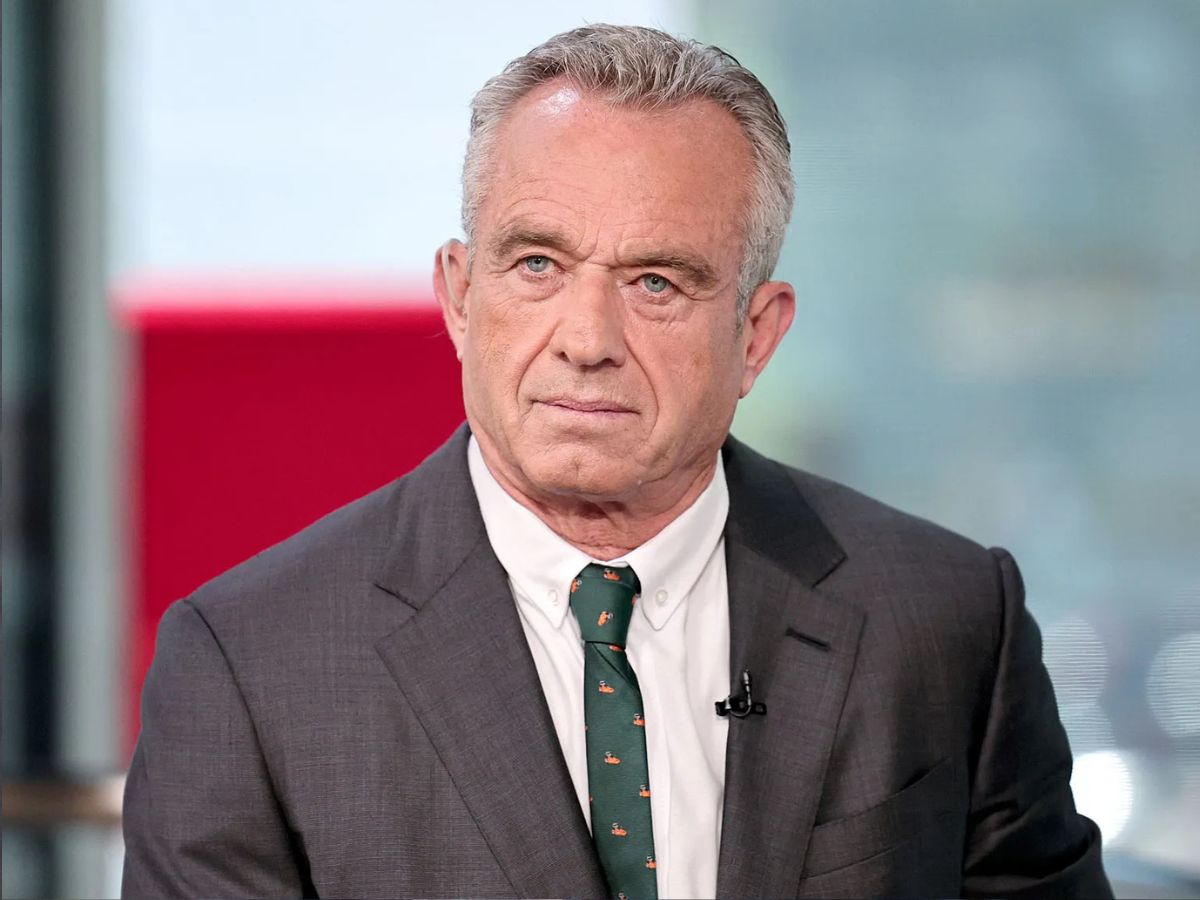
The US Department of Health and Human Services is seeking access to the personal medical records of millions of Americans as part of an effort by Health Secretary Robert F. Kennedy Jr. to investigate a claimed connection between vaccines and autism. The medical and scientific community has studied this question for decades and found no such link.
Kennedy has expressed frustration at what he describes as fragmented and inadequate federal health data systems. His team has approached state-level health information exchanges, asking whether the detailed patient records they hold could be used for federal research into vaccine safety and chronic disease."We've had to go to the states and, luckily, we've got a lot of cooperation from the states," Kennedy stated in May. "We now have databases together that we can actually do the studies on."
Health information exchanges are state-run or privately operated networks that enable hospitals, clinics, and pharmacies to share patient records in near real time. They hold clinical notes, prescription histories, diagnostic records, and full accounts of individual patient encounters, covering the vast majority of the American population. Their primary function is clinical. Using them for broader federal surveillance raises legal and ethical questions that several state officials say have not been adequately addressed.
A number of state exchange leaders have declined to participate. Craig Behm, who runs Maryland's health information exchange, said his organisation refused, citing contractual restrictions and the approvals required from hospitals, state officials, and research ethics boards. While Indiana continues to consider whether to participate, John Kansky, chief executive of the Indiana Health Information Exchange, revealed that vaccination safety has been a regular topic of discussion with the administration.
Nebraska has taken a different position. Its state health department received 18.7 million dollars from the Centres for Disease Control and Prevention last year, more than any other state despite ranking 38th by population. A few weeks later, the state granted contracts totaling $13.6 million to CyncHealth, Nebraska's main health information exchange. CyncHealth acknowledged that it kept $2.4 million for Kennedy's project, but it would not say what patient information was transferred or if any identifiable information was eliminated.
Former federal officials have questioned both the legality and the utility of the approach. Daniel Jernigan, who spent 31 years at the CDC, said he directed Kennedy towards large anonymised databases already held by electronic health records companies for research purposes. Kennedy showed no interest. Jernigan also doubted whether raw encounter data would produce reliable answers. "If they're only looking at electronic health record data, all you're going to get is what was captured in the encounter," he stated.
The initiative sits within a broader shift in US vaccine policy. President Trump signed an executive order last week directing the government to reduce the number of vaccines recommended for children. Kennedy continues to assert that immunisations are connected to chronic illness, a claim unsupported by scientific evidence. HHS has provided no details on how many states are involved, how patient privacy is protected, or what the research has produced.
The vaccine-autism theory has particular resonance in Britain, where it originated. Andrew Wakefield's now-retracted 1998 paper first claimed a link between the MMR vaccine and autism, triggering a prolonged public health crisis. Decades of subsequent research found the claim to be false, and Wakefield was struck off the medical register in 2010. The episode remains one of the most consequential examples of medical misinformation, with effects on childhood vaccination rates felt for years.



.jpg)
.jpg)