.png)
New steel tariffs taking effect on 1 July are designed to protect British steel producers. For manufacturers who depend on grades of steel not made in the UK, they may do the opposite.
From next month, the government will reduce the tariff-free quota on imported steel and double the tariff rate on any imports that exceed it. The Department for Business and Trade says the measures are intended to strike a balance between protecting domestic production and maintaining a secure supply chain. Critics say that balance has not been found.
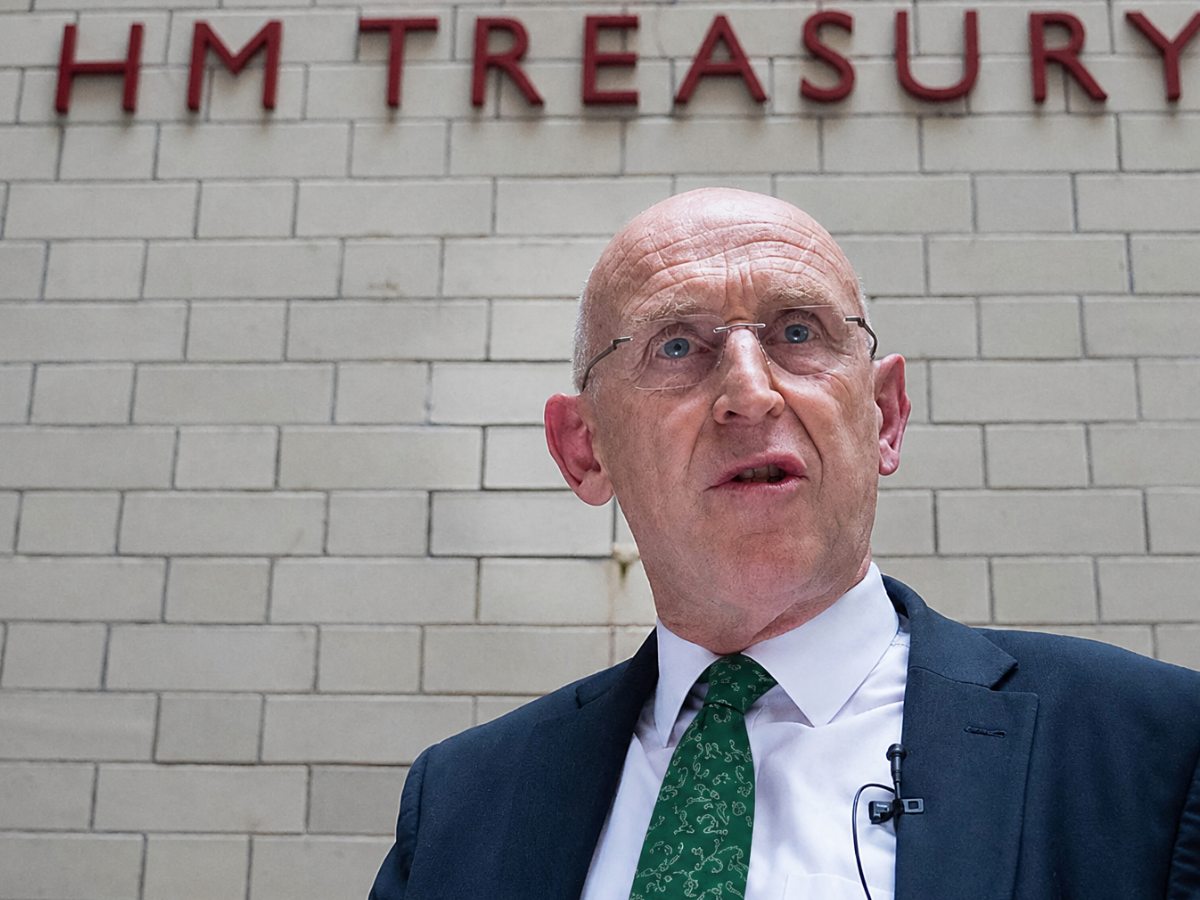
Guy Goring, managing director of Everhot, a range cooker manufacturer based in Dursley, Gloucestershire, is among those raising the alarm. His company needs sheet steel that British producers do not currently make at the scale or specification required. The tariffs, he argues, will push up his costs without giving him any viable domestic alternative to turn to. Steel prices at Everhot have already risen by around 30 per cent in anticipation of the new rules, and delays from steel stockholders are beginning to affect production schedules.
"We would absolutely prefer to use British steel," Goring stated, "but the UK isn't currently producing the sheet steel we need at the scale or specification we need." Only by preventing UK businesses from competing with US, European, or Asian markets will the planned tariffs promote imports from those same nations.
The concern is not limited to one factory in Gloucestershire. Goring argues that manufacturers of refrigerators, washing machines and other appliances face the same problem: they rely on imported steel grades that simply have no domestic equivalent. This places them in an awkward position in which a policy designed to support British industry effectively penalises parts of it. The manufacturers' trade body Make UK has reported a growing number of British firms moving production overseas, citing the cumulative pressures on the sector.
Goring's more fundamental objection is to where the government has chosen to focus its attention. He believes energy costs are a more serious obstacle to competitiveness than import quotas. UK manufacturers, he says, cannot realistically compete with overseas rivals whose production costs are kept lower by access to cheaper electricity. Targeted tariff adjustments, in his view, address the wrong problem.
The government has pointed to existing efforts on energy costs. In April, it announced that electricity bills would be cut by up to 25 per cent for more than 10,000 manufacturing firms through the British Industrial Competitiveness Scheme, with the subsidy backdated to this year despite the scheme not coming into force until April 2027. A DBT spokesperson said the government recognised the challenges the sector faces and would continue to work closely with manufacturers through what it described as a difficult period.
It's another matter entirely whether that support shows up on schedule. Make UK CEO Stephen Phipson has said unequivocally that the consultation period is over. "The time for talking is over," he said. "Now is the moment to take action. If industries are not relieved of the exorbitant cost of energy, Britain will become deindustrialised." The distance between policy intent and day-to-day operational reality is growing for companies already bearing the burden of higher steel costs and delivery delays.