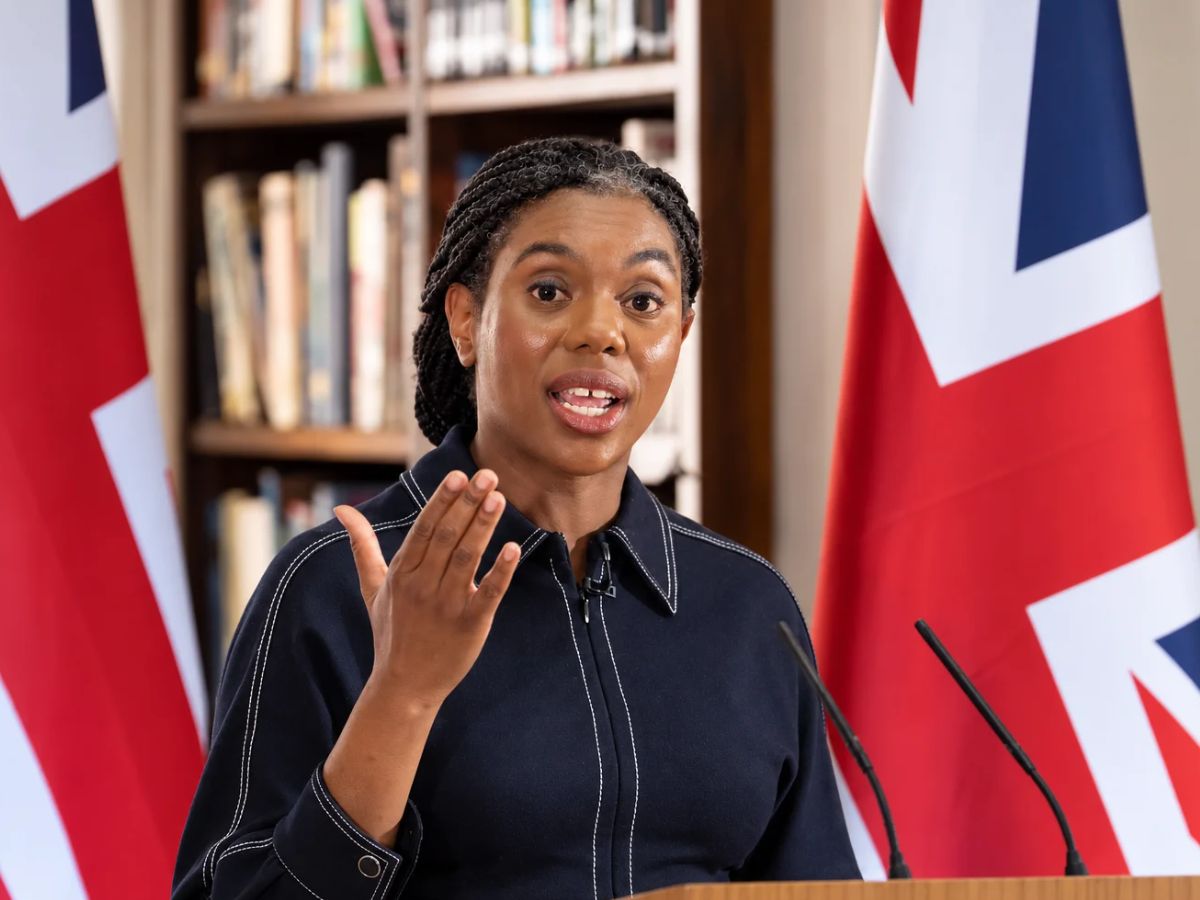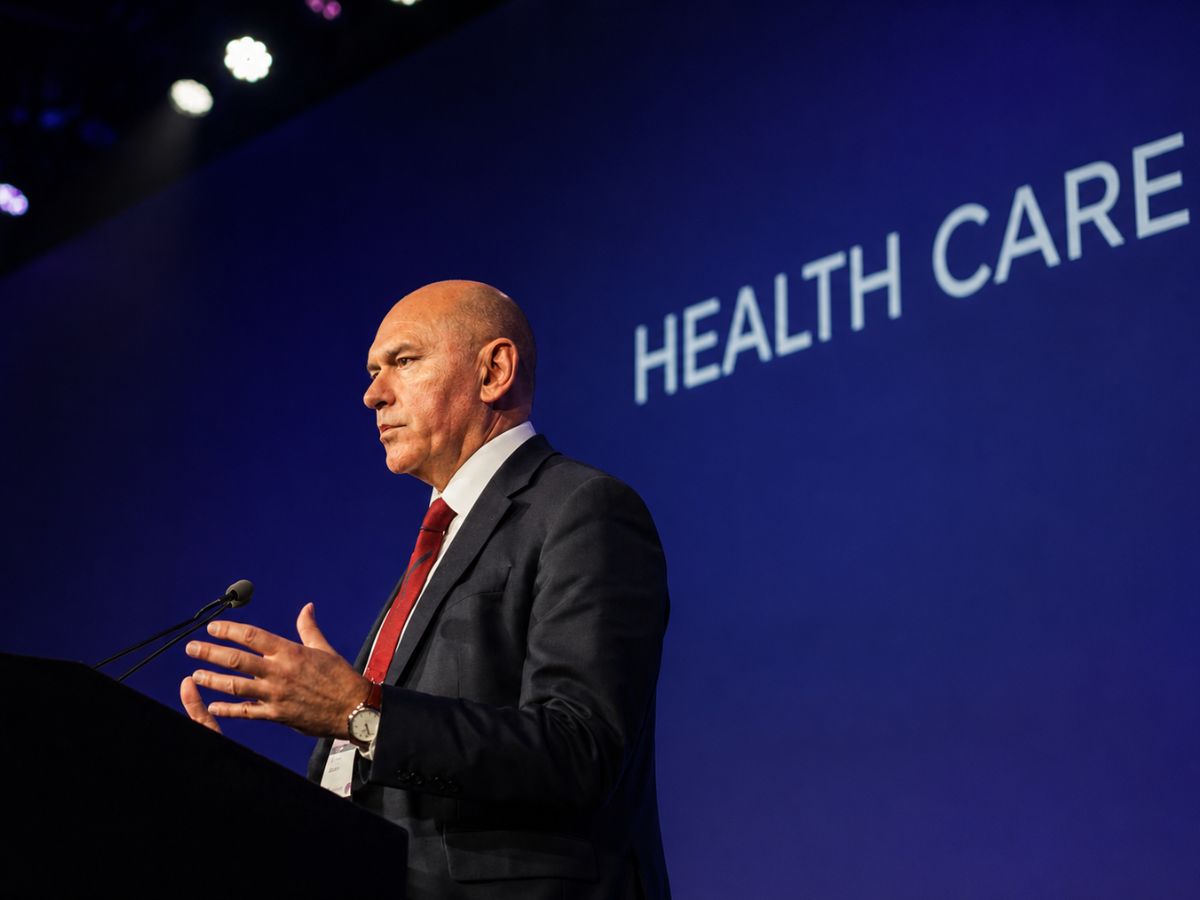
Last year, we wrote about the succession battle for one of NHS England’s biggest digital jobs and called the eventual direction correctly. This autumn, the stakes are substantially higher. As Westminster emerges from the August lull and heads towards party conference season, the next great NHS leadership question is beginning to form: what happens after Sir Jim Mackey?
There is currently no announced departure date for Mackey, and any suggestion that he will leave in early 2027 remains speculation. But Whitehall rarely waits for the resignation letter before thinking about succession. Mackey has been at the centre of one of the most aggressive operational resets the NHS has seen in years, combining financial discipline, waiting-list recovery, accountability and a distinctly impatient focus on delivery. NHS England reported in May that the waiting list had fallen by 312,000 over 12 months, while Mackey has increasingly talked about standards patients can actually feel rather than reforms that live principally in PowerPoint. If Downing Street believes that phase one was stabilisation, the next appointment could be about who can turn that reset into five years of structural reform.
.jpg)
Andy Burnham entered Downing Street on 20 July with something few recent prime ministers possessed: he has actually run the health department before. Yvette Cooper simultaneously became Health Secretary, while Dame Penny Dash remains NHS England chair. Together they inherit an NHS that is performing better on several headline measures but remains financially stretched, operationally fragile and in the middle of a huge redesign of how the centre, regions, providers and government work together.
That makes the eventual NHS chief executive appointment unusually political without necessarily making it partisan. Burnham has built his political brand around visible public services, devolution and a stronger northern centre of gravity. Cooper carries direct responsibility for NHS performance and financial oversight. Whoever eventually follows Mackey will therefore need to speak several languages at once: Treasury discipline, hospital operations, productivity, technology, workforce, political delivery and patient experience.
The wrong appointment could reopen the gap between Whitehall and the service. The right appointment could become one of the most consequential public-sector leadership choices of the Burnham premiership.
.jpg)
These are not odds, endorsements or predictions of an appointment. They are the names whose current or previous roles make them relevant to a serious discussion about the depth of NHS leadership available.
.jpg)
The current NHS England Chief Financial Officer sits close to the hardest part of the job: making the NHS operating model affordable. Previously South West regional director and CFO at NHS Improvement, O’Mahony now has responsibility across major elements of national finance, specialised commissioning, medicines, estates and commercial activity. In a period dominated by productivity and financial reset, that portfolio matters.
.jpg)
Burley is NHS England’s Financial Reset and Accountability Director and has extensive provider leadership experience, including South Warwickshire University NHS Foundation Trust. His relevance is obvious: the next phase of NHS reform will require someone capable of converting national instruction into provider-level execution without losing the confidence of the organisations expected to deliver it.
.jpg)
A former nurse with more than three decades in the NHS, Panniker has been NHS England’s East of England Regional Director since 2022. Her career includes chief executive roles at North Middlesex and across major Essex organisations. That combination gives her experience of both the provider frontline and the regional machinery sitting between trusts and the centre.
.jpg)
Landstrom became Group Chief Executive of Royal Free London in 2023 after senior operational roles at University Hospitals Sussex and across Wales. His profile is that of a provider operator rather than a Whitehall lifer. That distinction could become important if government concludes that the next national leader needs to feel more like someone who has recently run hospitals than someone who has recently run the centre.
.jpg)
Orchard became the first Group Chief Executive and single accountable officer across the four-trust North West London Acute Provider Group in April. A consultant gastroenterologist as well as an experienced chief executive, his new remit creates a significant live test of precisely the kind of consolidation, collaboration and accountable leadership the wider NHS is increasingly being asked to deliver.
.jpg)
Cubbon began his NHS career as a nurse in Greater Manchester and has since held some of the service’s largest operational roles. He has led Manchester University NHS Foundation Trust since 2023, previously served as NHS England Chief Delivery Officer and currently contributes nationally to planned-care work. Few potential names combine a major northern provider base with that degree of national delivery experience.
.jpg)
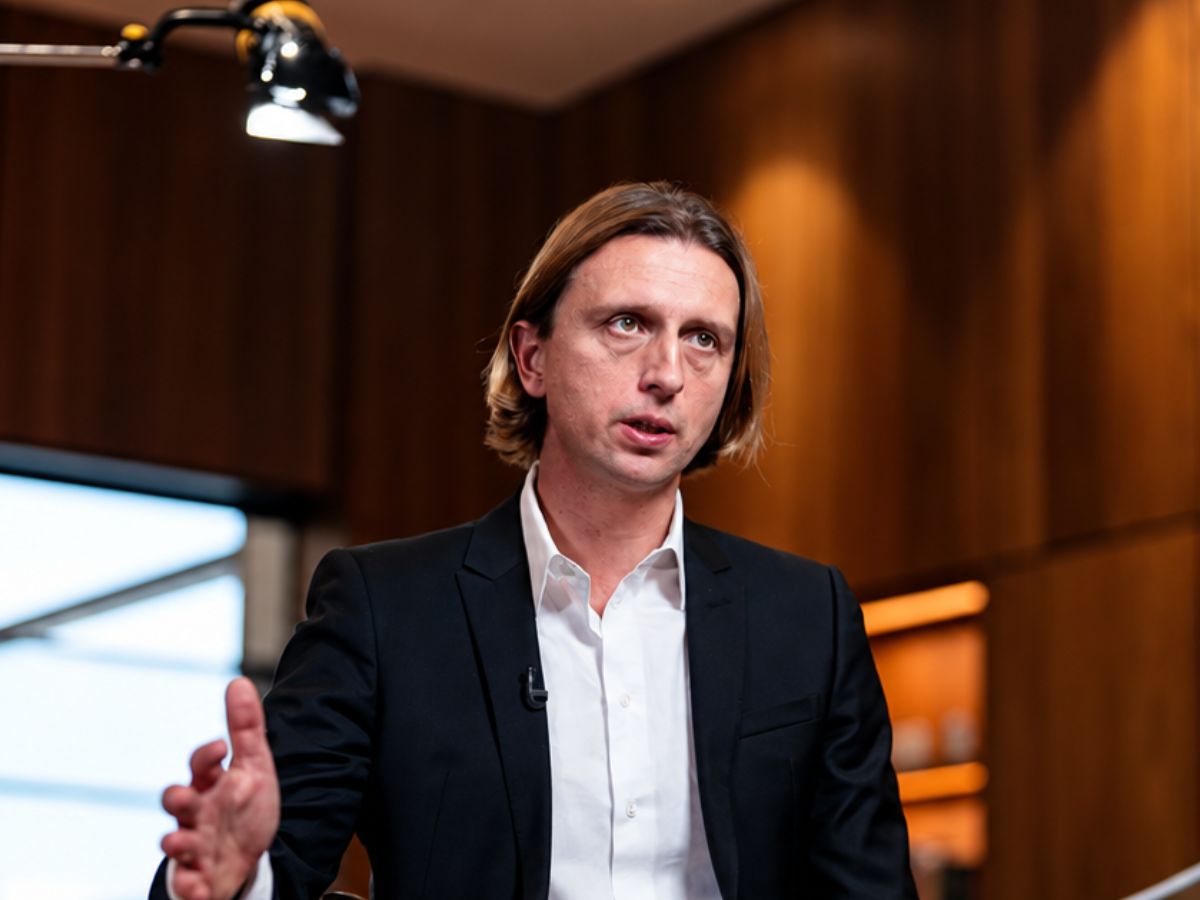
Bennett is the genuine outsider on this list. The former Monitor chief executive previously worked in Downing Street and at McKinsey and has deep experience of regulation and public-sector reform. His inclusion is less about current NHS hierarchy and more about the possibility that a government pursuing radical structural change looks beyond the obvious generation of serving NHS executives.
There is another possibility, and it may ultimately matter more than any succession list: Mackey stays.
Since returning to the national role, he has increasingly attached his name to financial grip, waiting-list recovery, patient standards and a simpler operating culture. In April, he described the service as having navigated a £4.5 billion deficit alongside winter, industrial action and operational pressure. By May, NHS England was reporting its largest annual reduction in the waiting list in 16 years. By July, Mackey was demanding a more consumer-grade experience for patients, including clearer communication and better notice of appointments.
That creates an awkward succession problem. Governments routinely replace leaders because performance is poor. Replacing one while important measures are improving requires a much clearer answer to the question: what exactly is the next person expected to do differently?
The identity of the next NHS chief executive, whenever that appointment comes, will reveal more about this government’s health strategy than another dozen speeches.
A finance leader would signal that productivity, affordability and control dominate the next chapter. A large-provider chief executive would suggest Downing Street wants operational authority and frontline credibility. A regional leader would point towards devolution and stronger system management. An outsider would suggest Burnham is preparing something much more disruptive.
And retaining Mackey would deliver its own message: the government believes the current reset is working and wants to accelerate it rather than reinvent it.
That is why this is worth watching now, before a vacancy exists and before the runners become official.
The NHS rarely telegraphs its biggest leadership changes loudly. The interesting part happens months earlier, when responsibilities shift, leaders accumulate national programmes, regional footprints expand and people suddenly find themselves sitting at much bigger tables.
As Britain returns from its August break, watch those tables.
The succession race may not have started publicly.
Behind the scenes, the positioning almost certainly has.


.jpg)
.jpg)