
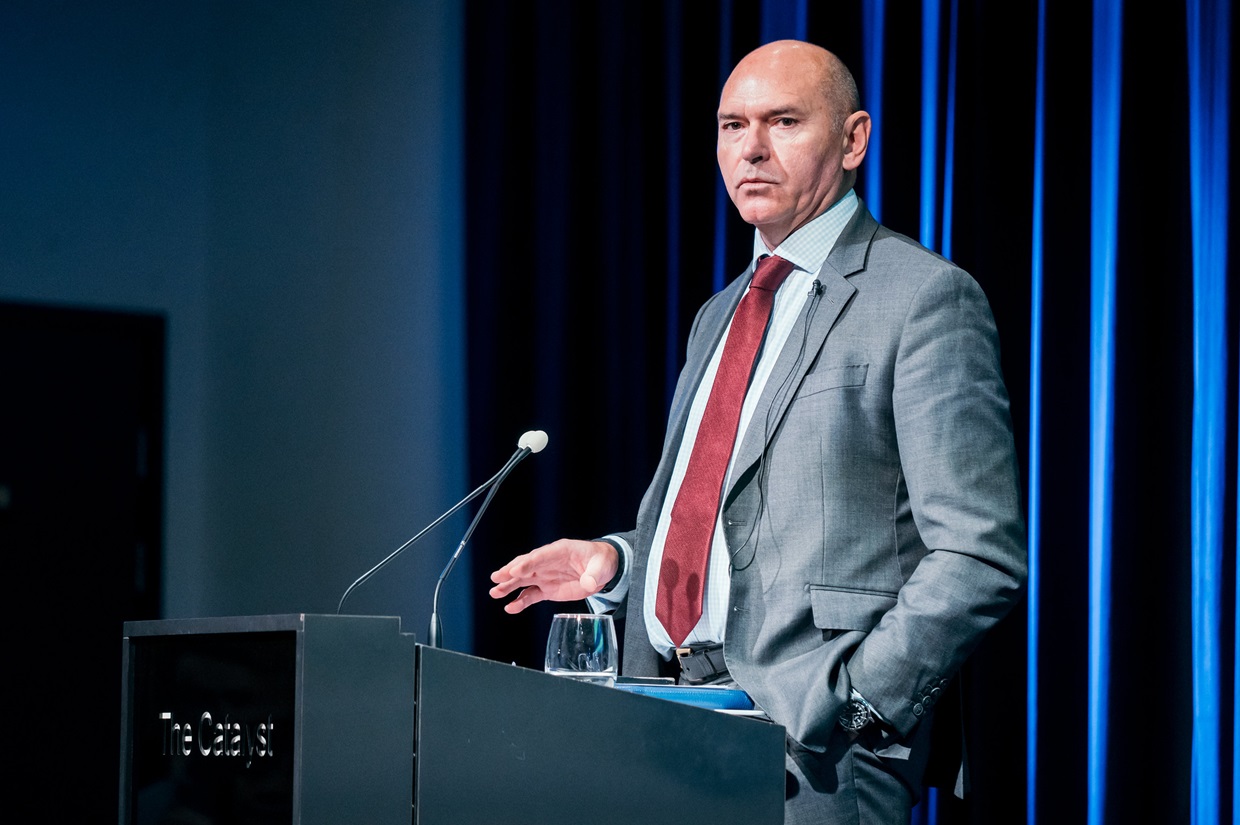
The sustainability of England's smaller hospice providers is under threat, a crisis driven by the precarious intersection of charitable funding, inadequate statutory commissioning, and increasing demand for palliative care. Sir Jim Mackey, chief of NHS England, issued this stark warning to the Health and Social Care Committee in early 2026, emphasising that without clearer financial commitments, these vital services may become "probably unsustainable."
The crisis highlights the deeper structural issues facing the sector. Most hospices are charitable organisations, relying heavily on fundraising, legacies, and events to cover costs. Statutory contracts negotiated by Integrated Care Boards (ICBs) often fund only a fraction of the true care expenses. A 2024 report by an All-Party Parliamentary Group noted that ICBs frequently possess a "limited understanding of the role and cost of hospice services," leading to inconsistent commissioning and chronic financial instability.
This instability is already impacting service delivery. Hospice UK's 2024–25 survey revealed a drop of over 150,000 specialist community hospice visits in a single year, a reduction attributed to funding restraints rather than decreased patient need. This trend is alarming, as community hospice services are crucial for keeping patients out of hospital.
Hospices across the UK face deficits and cuts despite rising demand. For instance, charitable hospices in Scotland collectively face a budgeted £16 million deficit, a situation mirrored elsewhere due to rising staffing costs and static statutory funding. Compounding this, staffing often represents approximately 70% of hospice costs, and pay pressures linked to NHS salary increases are pushing providers to their financial limits.
Since the Health and Care Act 2022 made ICBs formally responsible for palliative care, variability in commissioning has been a key concern for MPs. Late 2025 parliamentary debates showed that nearly two-thirds of independent hospices reported funding shortfalls in 2023–24, forcing some to reduce bed capacity or cut services like therapy and social work.
Campaigners stress that hospices are "not optional extras" but integral components of the health ecosystem. They relieve pressure on acute services by providing expert pain management, advanced illness support, and bereavement care—services the NHS struggles to deliver alone. Furthermore, they contribute significantly to "community wellbeing" through training and volunteering opportunities.
Mackey's call for ICBs to set out explicit, recurring funding plans during 2026 is critical. Without "guaranteed recurring funding" and sustainable commissioning intentions, continuity of care for vulnerable patients who depend on hospices is at risk. While wider policy developments, such as the Care Minister's late-2025 announcement of a new palliative and end-of-life care framework, are underway, critics insist that policy intentions must be matched with "adequate statutory investment." One-off capital funding, like the 2025 government £75 million allocation, is welcome but fails to address the underlying revenue challenges created by heavy dependence on unpredictable charitable income.



.jpg)
.jpg)
.jpg)