
.png)
Resident doctors in England will strike for four days next month after negotiations with newly appointed Health Secretary James Murray failed to produce a deal on pay and job opportunities. The British Medical Association announced the walkout will run from 15 to 19 June, placing it directly across the Makerfield by-election on 18 June. The union has also threatened further industrial action in July if the deadlock is not resolved.
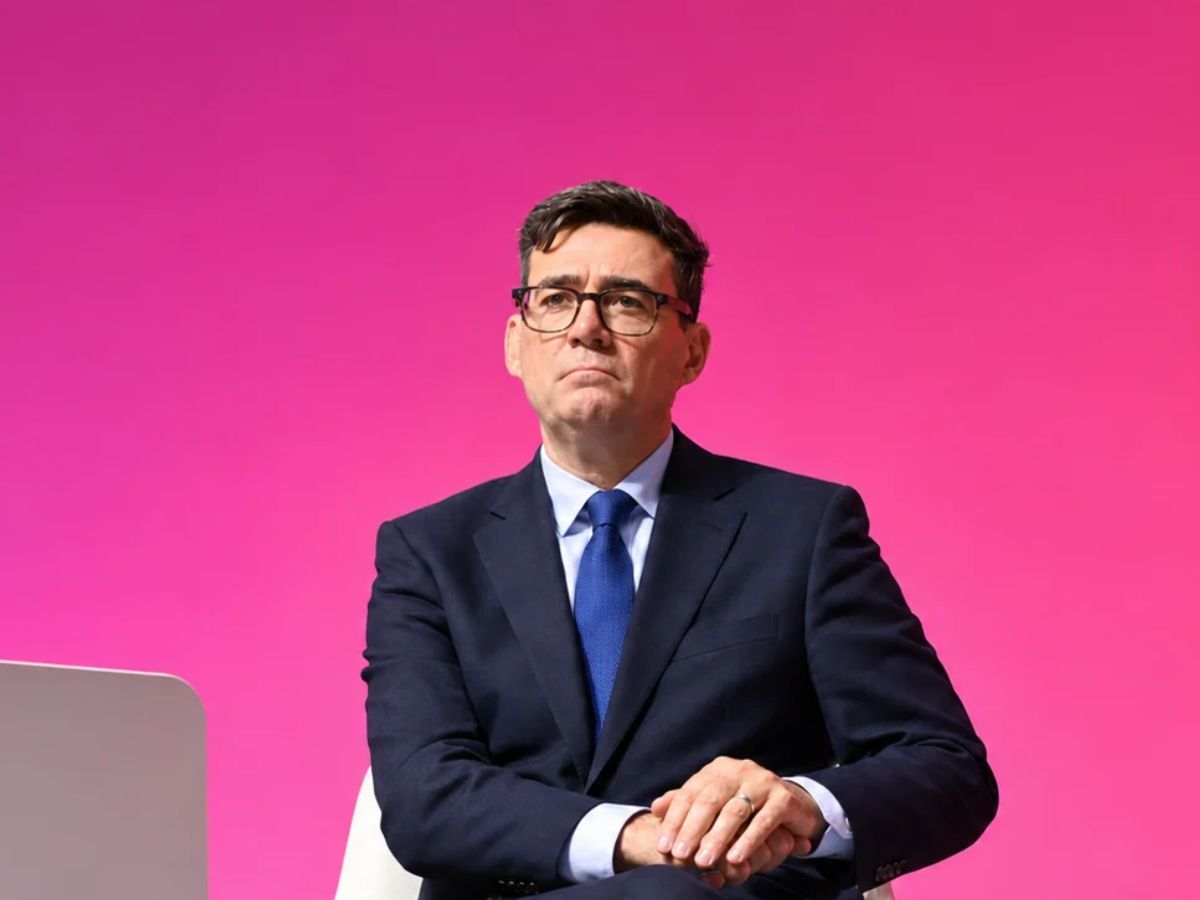
The by-election was triggered when Labour MP Josh Simons resigned his seat to allow Greater Manchester Mayor Andy Burnham to contest it, as part of a wider Labour leadership crisis that followed Wes Streeting's resignation as Health Secretary on 14 May. A Survation poll conducted for The Times between 18 and 22 May placed Labour on 43 per cent and Reform UK on 40 per cent in Makerfield, well within the margin of error. The timing of the strike hands opposition parties a straightforward line of attack during what is already a difficult campaign for the government.
Murray was appointed Health Secretary after Streeting's departure. He met with BMA representatives on Wednesday in the hope of reaching an agreement, saying he wanted to give unions confidence and would do all he could to improve career prospects and ensure NHS staff are paid fairly. Those talks produced nothing. The BMA said Murray had made clear he would not improve the offer already rejected in March, and that the union had run up against the same unwillingness to move it encountered under his predecessor.
The BMA argues that resident doctors are paid around a fifth less than they were in 2008 when adjusted for inflation, with average full-time basic pay reaching approximately £54,300 in 2025 to 2026. The union's position is that no offer has yet provided a credible path toward pay restoration, nor adequately addressed what it describes as a structural bottleneck in training and career progression. BMA resident doctors committee chair Dr Jack Fletcher said the union had been prepared to give Murray time to settle into his role but that he had shown the same unwillingness to move as his predecessor.
The government's position is that further large increases are unaffordable. Murray described the planned action as unnecessary and unreasonable, arguing that additional large pay rises would be unrealistic and unsustainable. Prior to the April walkout, the government had proposed a 4.9 per cent increase in average basic pay for 2026 to 2027, alongside an offer of 1,000 additional training places. That latter element was subsequently withdrawn on the grounds that it was no longer financially or operationally possible.
The NHS enters the June strike having already absorbed significant disruption this year. During the most recent six-day walkout over Easter, the NHS maintained 94.1 per cent of elective activity compared with the same period the previous year. A four-day stoppage in June will require a similar redeployment of senior medical staff to cover emergency services, with elective appointments again likely to be rescheduled. The cumulative cost of all walkouts since 2023 is estimated to have exceeded £3 billion.
The BMA has warned that further action will follow in July unless progress is made, a prospect that compounds pressure on waiting lists already strained by consecutive months of industrial action. The union is also separately balloting consultants and SAS doctors, with that vote due to close on 6 July, raising the possibility of a broader front of industrial action in the second half of the year.
No further talks between the BMA and the Department of Health are currently scheduled. The June strike dates stand unless the government makes what the union considers a credible offer on pay and job security before 15 June.



.jpg)
.jpg)