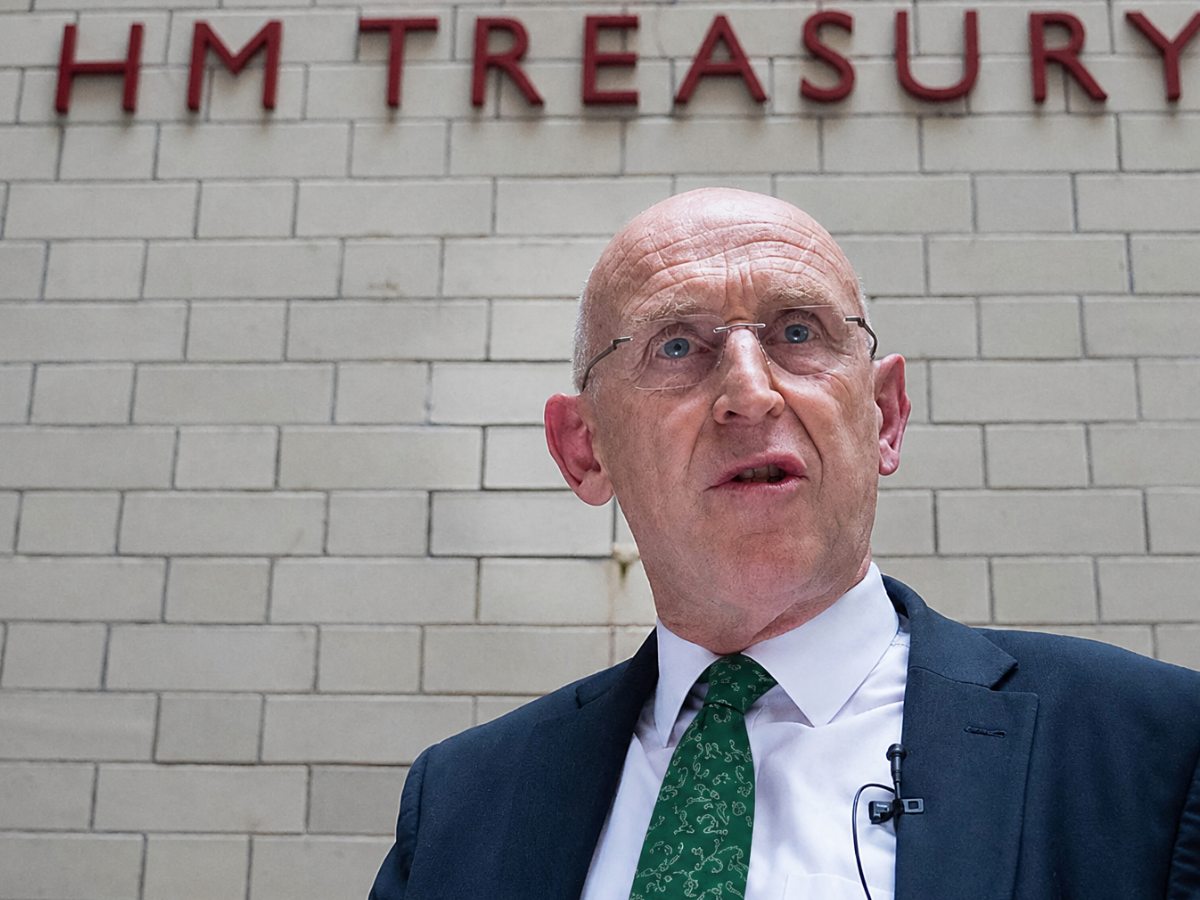
Chancellor of the Exchequer Rachel Reeves finds herself navigating a precarious fiscal landscape in early 2026, even before the full economic fallout from the escalating conflict in the Middle East has been felt in Britain. Reeves’ latest Spring Statement, delivered to Parliament on 3 March, underscored a government strategy focused on stability, but also revealed underlying vulnerabilities in the UK’s public finances that could become more acute in an era of geopolitical uncertainty.
While the Office for Budget Responsibility (OBR) has estimated a modest increase in fiscal “headroom”, the margin by which expected tax receipts exceed day-to-day spending. Much of this assessment was finalised before market disruptions triggered by the war between the U.S.-Israeli forces and Iran. Rapidly rising energy prices and spikes in borrowing costs have already begun to test the resilience of Reeves’ fiscal strategy, prompting warnings from economists and the OBR itself that the outlook could deteriorate quickly if geopolitical tensions persist.
Economic Forecasts Painted in Uncertain Tones
According to updated projections cited by Reeves, the UK’s fiscal headroom is now estimated at around £23.6 billion by the 2029/30 fiscal year, which is slightly higher than previous estimates made in last November’s Budget. This reflects stronger projected tax revenues and a modest improvement in public finances. Reeves has emphasised that this buffer gives the government “more room for error” in meeting its fiscal targets, even as wider economic pressures mount.
However, the OBR has also signalled that these forecasts were finalised before recent market volatility related to the conflict in the Middle East. Soaring oil and gas prices, such as Brent crude, have traded above US $80 a barrel and European gas costs have nearly doubled threatening to push inflation higher, erode household incomes, and constrain growth. Many analysts argue that the OBR’s figures already risk being out of date because of geopolitical shock-waves.
Growth expectations for 2026 have been downgraded to around 1.1%, down from earlier estimates of 1.4%, even before the war’s economic effects were factored fully into forecasts. Unemployment is expected to peak at over 5%, and the squeeze from higher energy costs could dampen consumer confidence and business investment alike.
Fiscal Challenges Beyond the Middle East
Reeves’ statement came against a backdrop of broader structural challenges for the UK economy. Long-term concerns such as sluggish productivity growth, demographic changes that could reduce workforce participation, and increasing demand for public services, especially in health, education and social care complicate the government’s medium- and long-term fiscal planning.
The fiscal position that Reeves inherited upon Labour’s 2024 election victory has been described by some economists as tighter than anticipated, with rising borrowing costs making debt servicing more expensive. Public sector net debt has nearly tripled over the past two decades, and future borrowing must be carefully balanced against the government’s self-imposed fiscal rules that prioritise reducing deficits.
Political Headwinds and Market Responses
The Chancellor’s cautious tone reflects sensitivity to political pressures. Labour’s standing in public opinion has shown signs of erosion, and critics have questioned whether the government’s tax rises and spending commitments will deliver stronger growth. Conservative figures have argued that persistent fiscal tightness undermines investment in key growth sectors and public services, including the NHS and social care infrastructure.
Markets have reacted nervously to the broader economic uncertainty. In early March, the FTSE 100 experienced one of its worst single-day falls in nearly a year, while gilt yields rose as investors reassessed risk in the face of surging energy prices and geopolitical instability.
What the Outlook Means for UK Health and Technology
For advocates of health and technology policy in the UK, the fiscal story has direct relevance. Continued pressure on public finances makes prioritisation of spending all the more critical, particularly in areas such as NHS digital transformation, AI-driven diagnostics and community health interventions that require sustained investment.
Moreover, rising energy and borrowing costs may force policymakers to choose between competing priorities such as innovation funding and social care support, with implications for workforce retention, technology adoption and service delivery across the health sector.
Steering Through Stormy Economic Waters
Reeves has emphasised her commitment to economic stability, arguing that her approach balances prudence with targeted investments that support growth and resilience. But with geopolitical conflict testing forecasts and structural fiscal pressures looming, the Chancellor’s room to manoeuvre remains constrained.
For observers in the UK health and technology space, the unfolding fiscal picture underscores the importance of robust economic planning that can withstand external shocks — and the vital role of targeted innovation investment in fortifying both public services and the broader economy against future uncertainties.


.jpg)
.jpg)