.png)
The world's two most closely watched central banks are set to leave interest rates unchanged when they meet on Thursday, after a weekend peace agreement between the United States and Iran altered the near-term outlook for energy prices and, by extension, inflation.
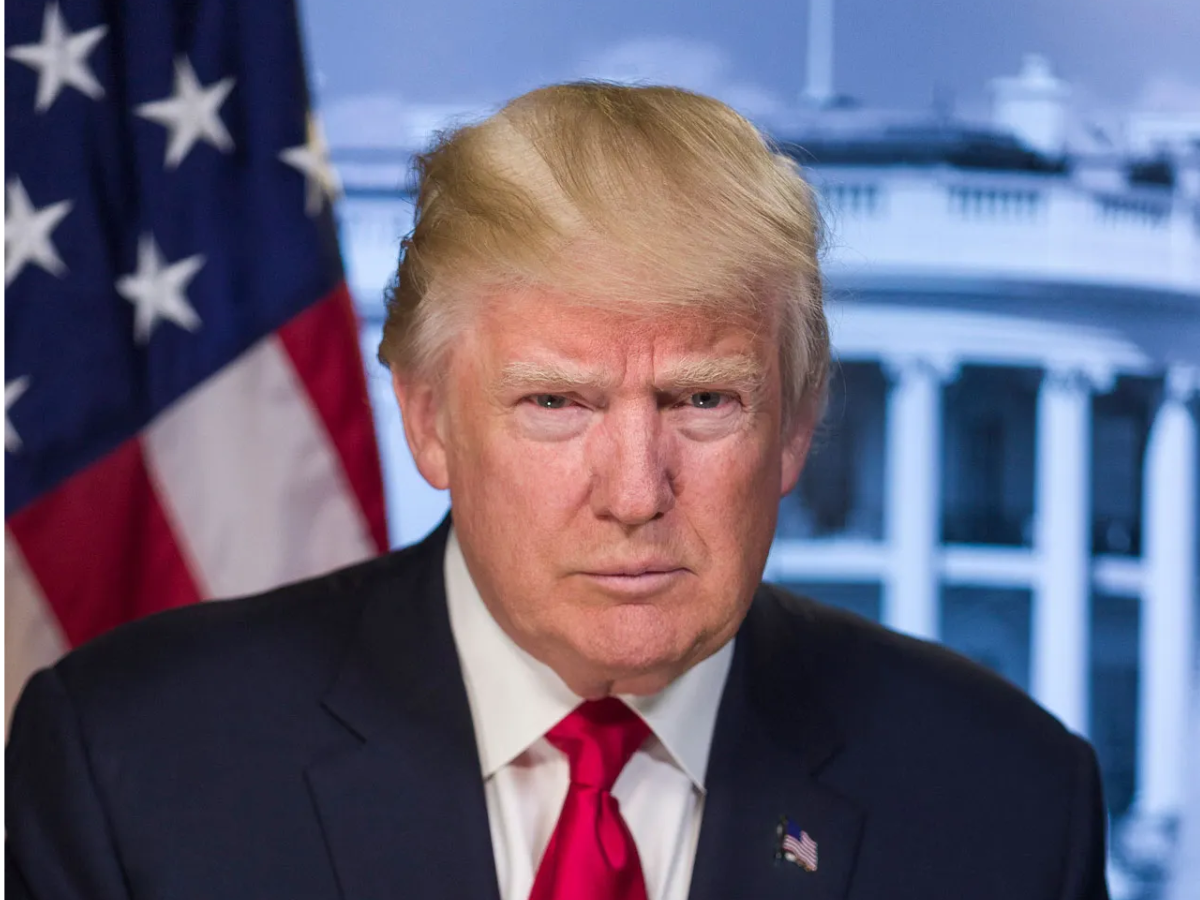
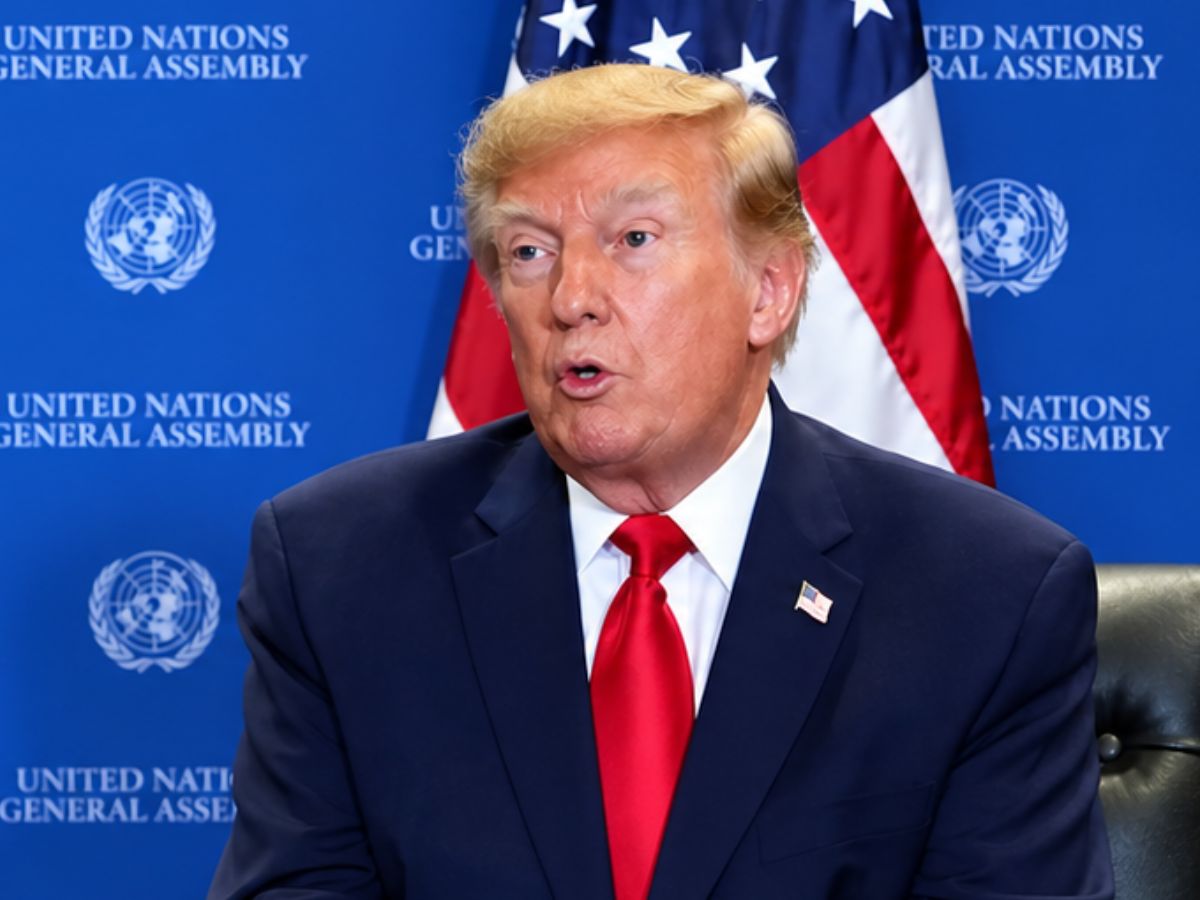
The Federal Reserve is expected to hold its benchmark rate at between 3.5% and 3.75%. What makes this week's decision unusual is that it will be the first under Kevin Warsh, the new Fed chair appointed by Donald Trump. Warsh had been facing considerable pressure to raise rates in response to rising consumer prices, which climbed from 2.4% in February to 4.2% in May, a three-year high. That pressure has now eased, at least for the moment. The peace deal includes provisions to reopen the Strait of Hormuz, a chokepoint for global oil supplies, and investors are now pricing in a more benign path for inflation through the remainder of the year.
Warsh's post-decision press conference will be watched carefully. His public remarks will be the first real indication of how he intends to run the Fed and how much weight he gives to the geopolitical shift. Markets want to know whether he sees the Iran deal as durable enough to change the Fed's course, or whether he views it as an uncertain development that warrants patience rather than relief.
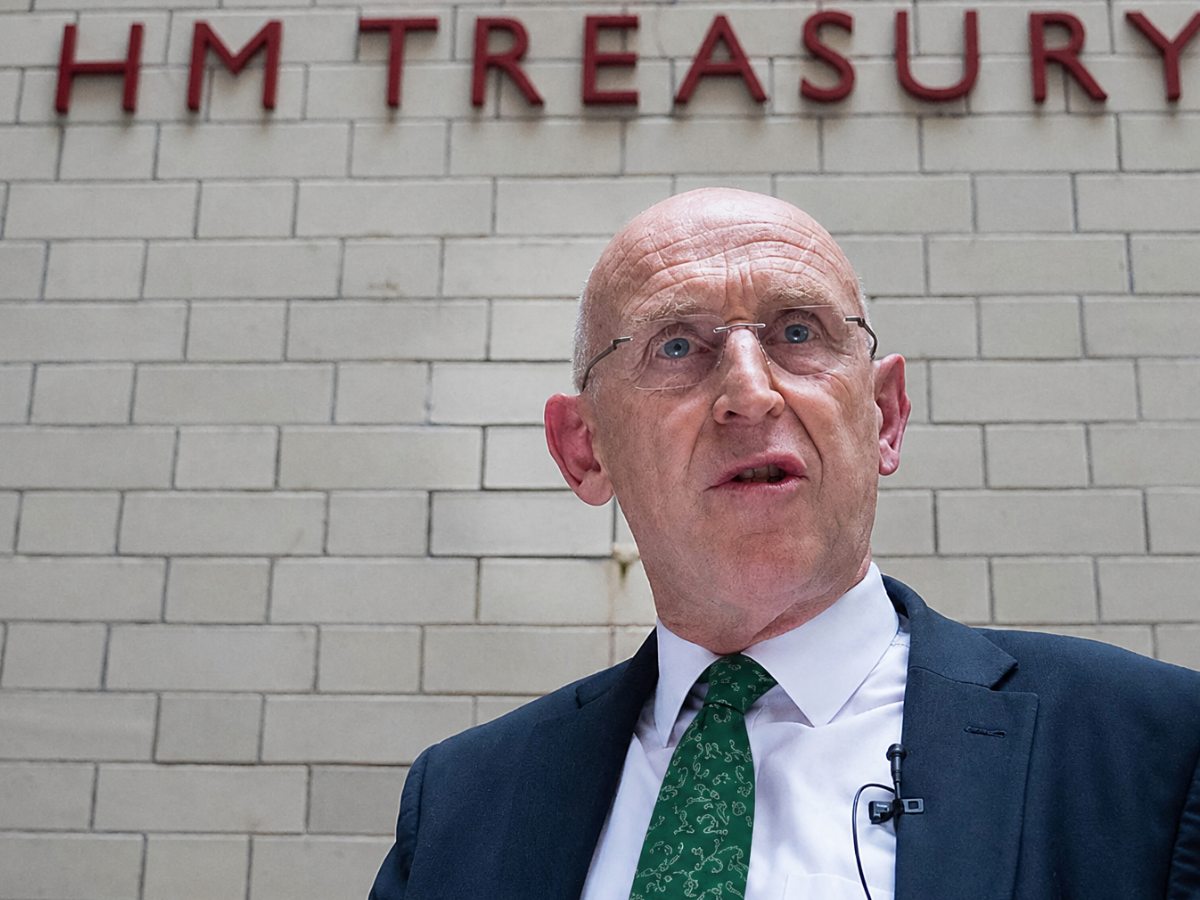
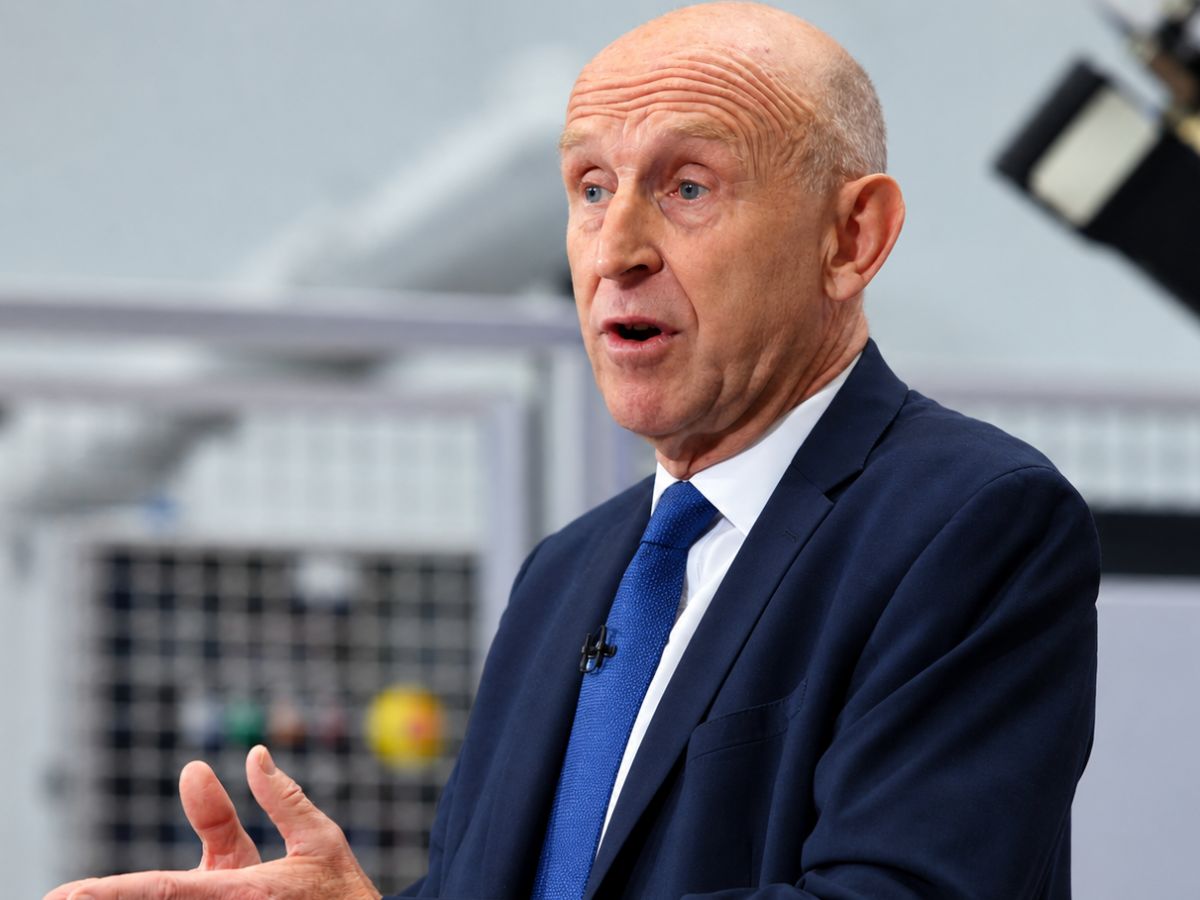
The Bank of England faces a similar dilemma. Its Monetary Policy Committee is expected to hold rates at 3.75% on Thursday, despite UK inflation sitting at 2.8%, above the Bank's 2% target. Most members of the nine-strong committee are likely to take a wait-and-see position, according to analysts, before drawing conclusions about what the Iran deal means for domestic prices. Financial markets still expect one further rate rise in the UK this year, most likely in December, though that assumption may shift if oil prices continue to fall.
James Smith, an economist at ING, said the durability of the peace agreement was the key variable. If it holds and oil flows through the Strait of Hormuz are restored, UK inflation could remain below 4%, removing the immediate case for a summer rate rise. That is still a significant if.
The European Central Bank did not wait. It raised rates from 2% to 2.25% last week after eurozone inflation rose to 3.2% in May. ECB president Christine Lagarde said on Monday that higher energy costs were feeding through to other parts of the economy. She pointed specifically to wage growth, warning that second-round inflationary effects were becoming visible across the eurozone and that the ECB would act if wage pressures continued to build. Manufacturers and retailers have already begun passing higher costs on to consumers, and officials fear that pattern could persist into the autumn regardless of what happens in the Middle East.
That concern is shared in London and Washington. Central bank officials in all three institutions have noted that the prolonged period of elevated energy prices has encouraged more aggressive wage bargaining. Even if oil prices fall sharply from here, some of that inflationary momentum may already be embedded in the economy.
The Fed, the Bank of England and the ECB all target 2% inflation. None of them is close to it. The Iran deal offers a potential path back, but central bankers are trained to be sceptical of geopolitical developments that appear to resolve long-running problems overnight. Thursday's decisions will likely reflect that instinct. Both the Fed and the Bank of England are expected to hold, watch, and say as little as they can get away with until the picture becomes clearer.