
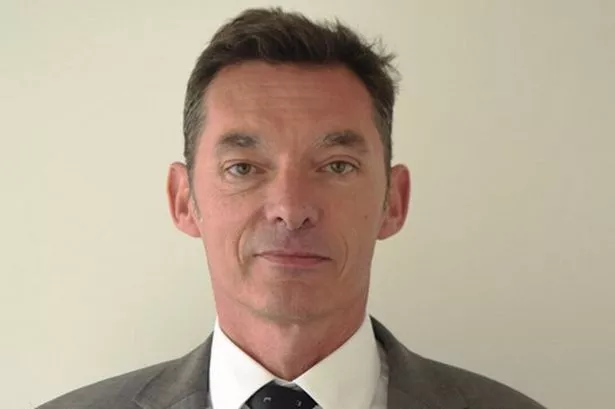
After more than a decade of influential leadership that fundamentally shaped one of the most innovative provider group models in the English NHS, Russell Hardy, a highly respected NHS trust chair, has announced his decision to step down in March 2026. His departure marks the close of a significant chapter of sustained collaboration and integrated governance across multiple hospital providers.
Hardy's tenure began in 2015 when he first took the chair role at what is now the South Warwickshire Foundation Trust (SWFT). Over the following years, his responsibilities grew to include chairing Worcestershire Acute Hospitals NHS Trust, Wye Valley NHS Trust, and George Eliot Hospital NHS Trust. This collective leadership successfully wove these trusts into a pioneering "foundation group" that shared leadership, strategy, and services.
Working in close partnership with chief executives like Glen Burley (currently on secondment as NHS England’s national director of financial reset and accountability), Hardy helped establish a governance model. This design was aimed at enhancing quality, promoting resilience, and supporting collaborative decision-making across the multiple acute providers. While not the largest in terms of scale, the foundation group model under Hardy's guidance became highly influential. It demonstrated a successful blueprint for how shared leadership and pooled governance could enable struggling trusts to improve care quality and operational stability without sacrificing local identity. Hardy’s long service stands in sharp contrast to the current landscape of the NHS. His departure comes amidst renewed scrutiny of leadership stability, with recent reports showing CEO turnover rates hitting 25% in trusts in late 2025 due to mounting pressures across finance, performance, and workforce domains.
Hardy provided a rare point of continuity, a vital element given the critical role trust chairs play in strategy and governance. His leadership spanned some of the NHS's most challenging periods, including post-pandemic recovery, unprecedented winter pressures, workforce shortages, and significant system reforms pushing for more integrated care.
Health leaders frequently cite Hardy's work as a prime example of system leadership, where executives and chairs prioritise cross-organisational planning, shared risk management, and population health outcomes over individual institutional performance. This approach is increasingly crucial as the NHS rolls out reforms under its 10-Year Health Plan, which mandates partnership working.
Reflecting on his decision, Hardy expressed pride in the group's achievements and thanked staff for their "dedication to patient care and innovation," stating that the group is well-positioned for continued collaborative improvement. However, the end of his tenure introduces questions regarding succession planning and organisational memory. Maintaining strategic clarity and performance while new leaders transition will be essential for group models. Effective transition planning will be key to preserving the progress made and delivering on future service improvement goals. A robust governance process is underway to select a successor, with the board emphasising continuity of vision and values, as well as the ability to navigate the evolving NHS landscape.
Hardy’s decade at the helm leaves a powerful legacy of innovation in governance, partnership, and quality improvement, serving as a critical reference point for the NHS as it continues to tackle its most pressing challenges into 2026 and beyond. His time underscores the profound impact of long-standing leadership and the need for leadership development pipelines to ensure future chairs are prepared to lead complex systems.



.jpg)
.jpg)
.jpg)