.jpg)
Ortet, a New York-based artificial intelligence laboratory focused on healthcare, has launched publicly with a $500m financial and infrastructure commitment from the healthcare technology platform Thoreau. The company intends to build patient-centric foundation models that draw together healthcare data currently held in separate systems.
The laboratory was founded by Dr Kyunghyun Cho, a professor at New York University whose research on attention mechanisms and gated recurrent units is credited with contributing to the development of modern transformer models and large language models. He serves as chief executive. He is joined by senior figures from Genentech, Meta, Amazon and Spotify, who have moved from roles in drug discovery, social media engineering and consumer technology into the new venture.
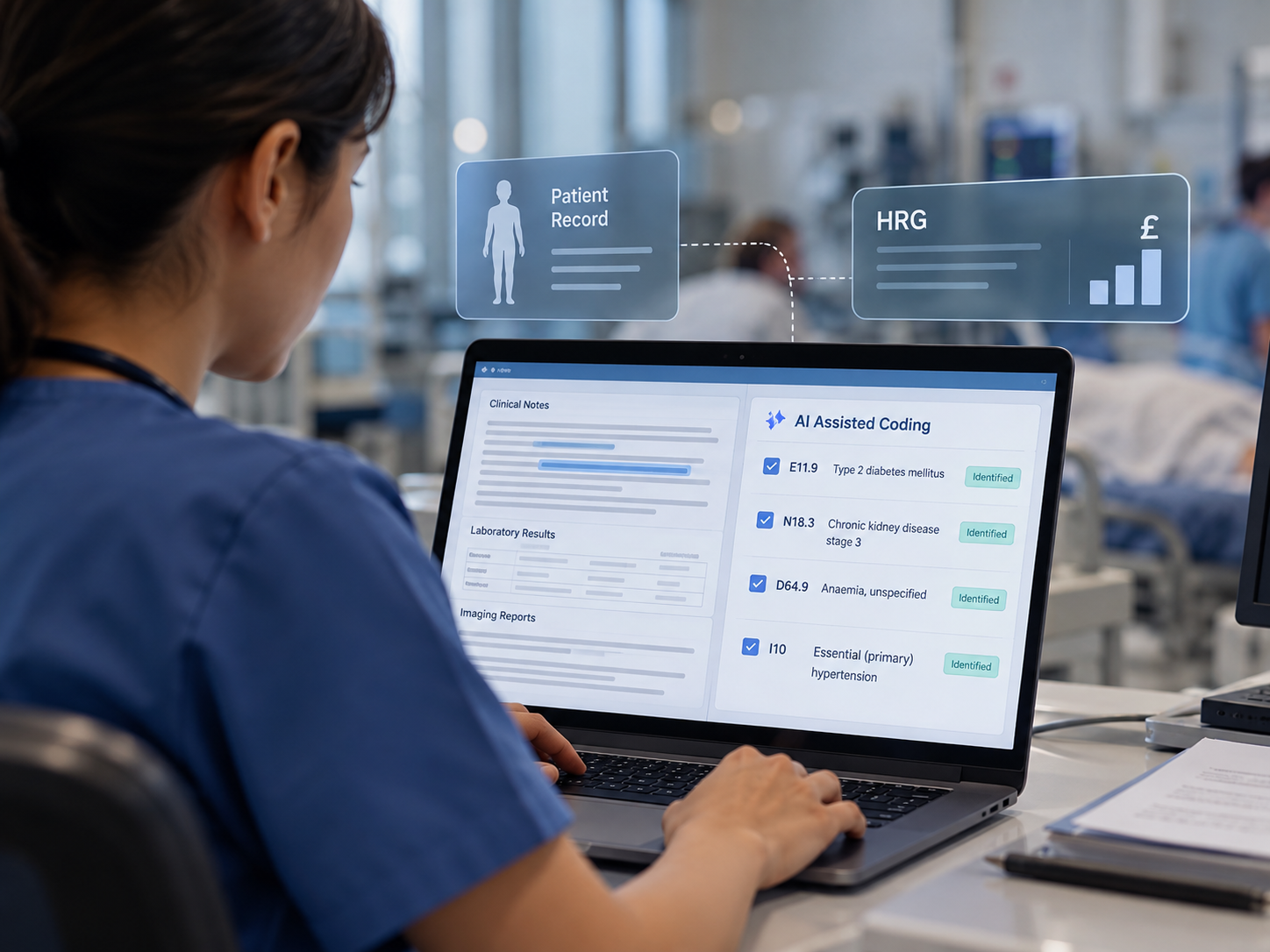
Ortet describes its goal as a full-stack system rather than a collection of individual tools. Most AI products in healthcare are designed for a narrow function, such as analysing medical images or transcribing consultations. Ortet is instead assembling an integrated stack that can be applied across the whole of a health system.
The architecture is intended to span four areas. The biological layer covers molecular design and the discovery of new treatments. The clinical layer addresses treatment plans, diagnostic insights and the mapping of a patient's care over time. The operational layer concerns hospital workflows and the deployment of staff and equipment. The financial layer deals with administration and billing. Combining these within one model is meant to allow information from one domain to inform decisions in another.
Healthcare data has long been divided between laboratories, hospitals, insurers and software vendors, each holding records in different formats. Ortet argues that this division limits what AI can currently achieve, since a model trained on one slice of the system cannot account for how a diagnosis affects costs, or how a hospital's capacity affects the delivery of a particular therapy.
The $500m will be spent on high-performance GPU clusters, proprietary data pipelines and the recruitment of engineers. Training large foundation models requires substantial computing capacity, and the commitment places Ortet among the more heavily funded new entrants in the sector. Goldman Sachs acted as financial adviser on the transaction.
Thoreau manages platforms serving healthcare providers, payers and life sciences organisations, including Ensemble and Penelope Health. That reach gives Ortet a potential route into live clinical and administrative environments. The laboratory has said it will begin working immediately with health systems, payers and life sciences companies, so that its models are grounded in the conditions under which hospitals and insurers operate day to day.
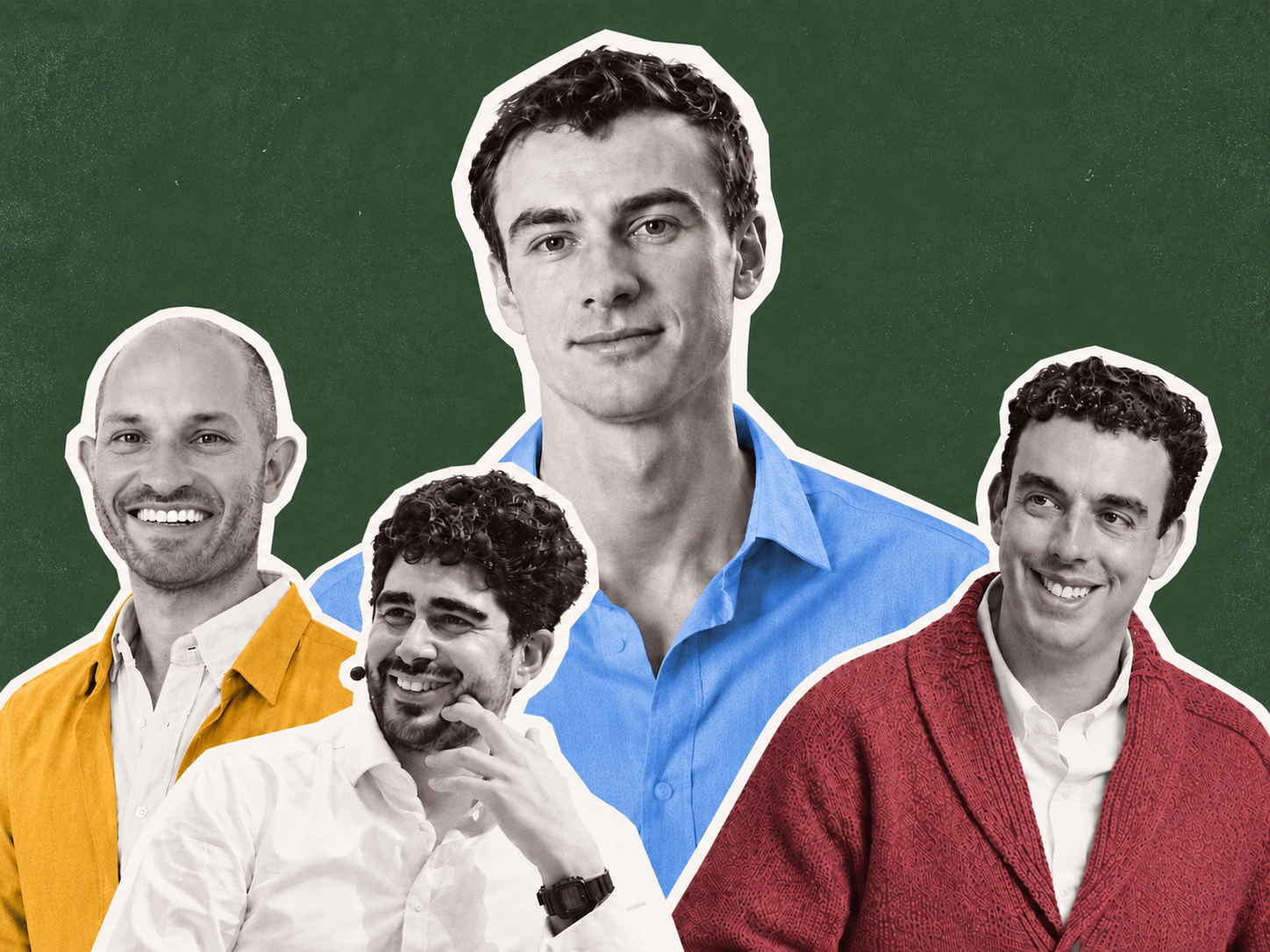
The leadership team reflects a mix of academic research and large-scale engineering. Dr Keunwoo Choi, the chief AI officer, previously led AI work at Upstage, Genentech, ByteDance and Spotify. Henri Dwyer, the chief technology officer, managed the life sciences GPU cluster at Genentech and earlier worked as an engineer at Instagram and Lyft. Jeff Hammerbacher, who chairs the company, founded and leads Open Athena. He was previously chief scientist at Cloudera and one of the first data managers at Facebook.
The announcement does not set out a timetable for releasing models or name the first partner organisations. Nor does it say how patient data will be governed, a question that regulators and health systems typically examine closely when AI developers seek access to clinical records. Ortet has indicated that its early collaborations will shape the first applications, but the specific products remain to be defined.
For now, the launch gives the company substantial capital, an experienced technical team and a distribution partner with established links to the healthcare sector. Whether a single model can perform reliably across research, treatment, operations and finance is the central question the laboratory will have to answer once its work moves from announcement to deployment.


.jpg)