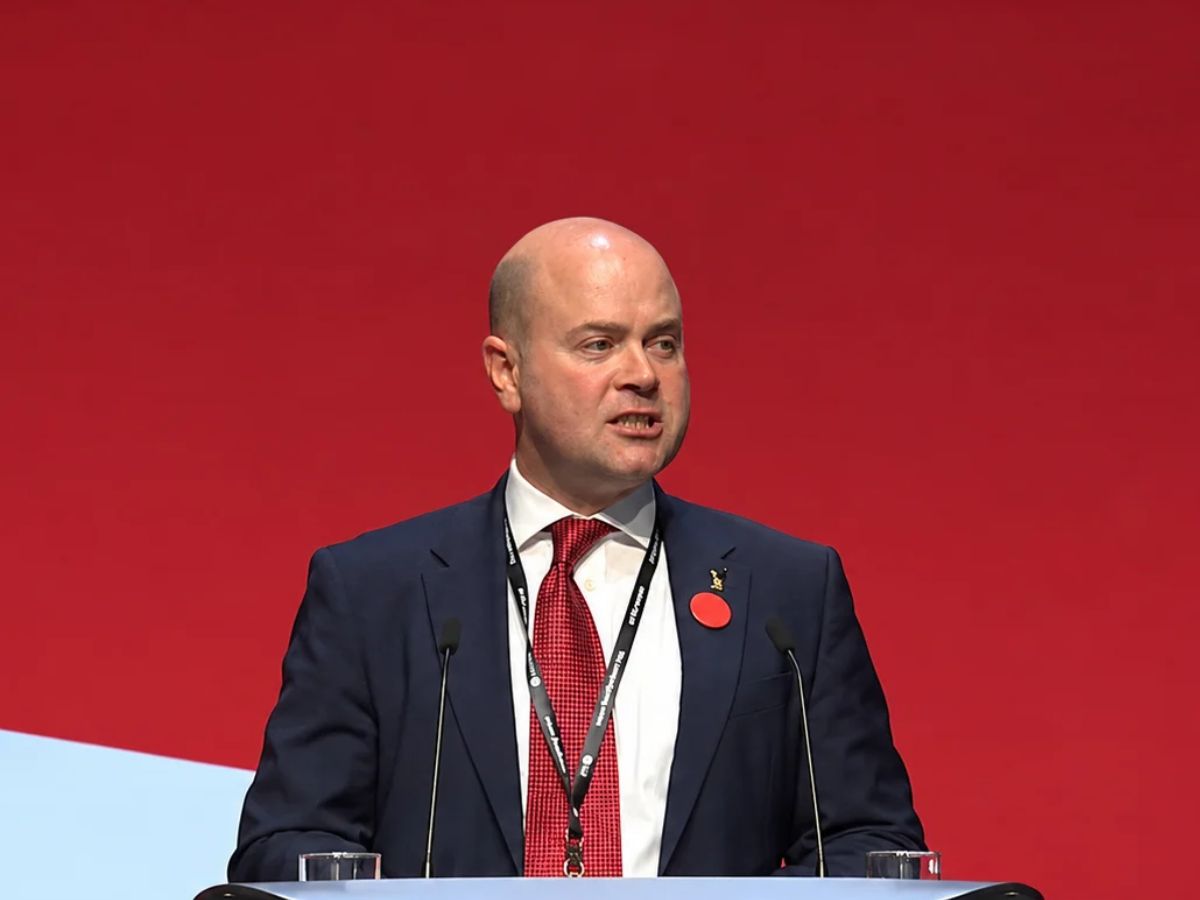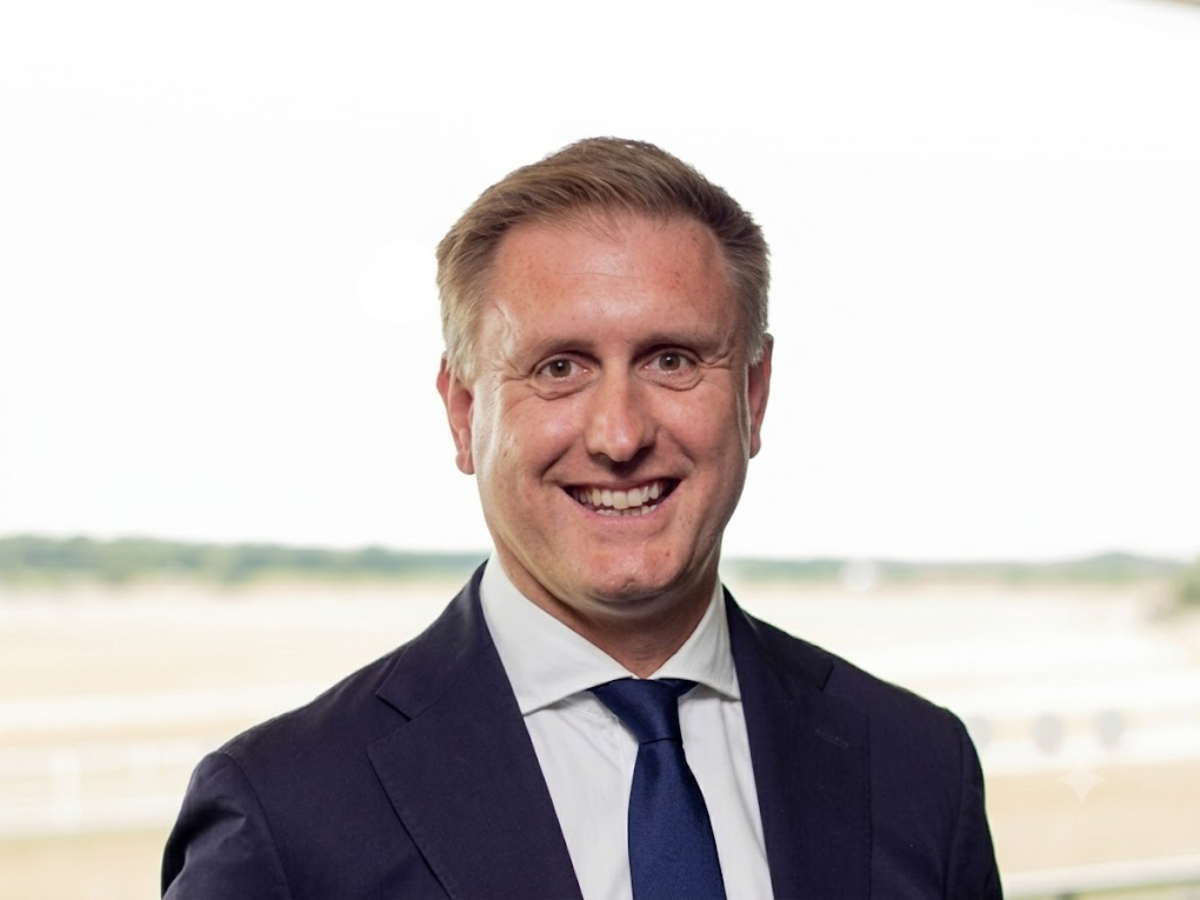
Dr Ed Garratt, chief executive of NHS Norfolk and Suffolk Integrated Care Board, has used his October briefing to describe a health system trying to find illness earlier as winter pressures approach. The board covers both counties in full, which have about 1.7 million residents, and was established on 1 April 2026. The briefing reports on projects in prevention, technology and partnerships with local authorities, and it also addresses patient safety and a long-term clinical strategy.
The most prominent prevention project is the Familial Hypercholesterolaemia Identification Hub. The hub operates at Norfolk and Norwich University Hospital and receives recurrent funding from the board to find people with the inherited condition. The briefing says it has contacted patients judged to be at high risk so that they can be screened, and it describes the hub as a national award winner. The condition causes very high cholesterol from birth, so early identification carries a clear benefit. The briefing also reports an expansion of digital weight-management referrals, with uptake targeted at deprived communities.
Surgical capacity has grown in Norwich. The hospital has doubled its robotic surgery capacity with two new da Vinci systems, bought through a charity programme that has so far raised £2.8 million. The briefing marks the opening of an institute of robotic surgery at the hospital, intended to double the number of procedures. At the James Paget University Hospital, liver patients can be assessed with a FibroScan, a quick scan that measures stiffness in the liver. The service runs from community diagnostic centres at Northgate Hospital in Great Yarmouth and the hospital's Oulton Suite, as well as from the main radiology department. Mental health services have also improved. The Care Quality Commission inspected the Norfolk and Suffolk NHS Foundation Trust's wards for older people with mental health problems in February and March, and rated the service good overall.
The briefing credits joint work with councils for changes in children's services. In Suffolk, a Family Help model uses a single assessment for each family, backed by new multi-agency safeguarding arrangements. In Norfolk, youth workers are reaching vulnerable young people, and the county's Children's Services team has received national recognition.
Winter preparations are under way. The briefing sets out this season’s flu and Covid-19 vaccination programmes, along with a falls prevention campaign named Stay Steady and Safe. The board is also running a campaign to cut the large amount of medicine wasted in the two counties each year.
Dr Garratt also addresses the findings of the Thirlwall Inquiry. The briefing acknowledges the inquiry's conclusions on patient safety and says that leaders in local NHS organisations are accountable for acting on them.
The briefing closes with the long-term clinical strategy for hospitals. Senior clinicians in the Norfolk and Waveney University Hospitals Group are developing it, and the group says no decisions have been made on the configuration of services at any of its hospitals. Healthwatch Norfolk is running a survey on the future of healthcare in Norfolk and Waveney. The organisation says the questionnaire does not consult on specific proposals, and that major changes would bring further opportunities for the public to comment. The survey results will be published as an independent assessment of public views.
Winter will show how far earlier identification and added capacity reduce demand on the region's acute hospitals.


.jpg)
.jpg)
.jpg)