
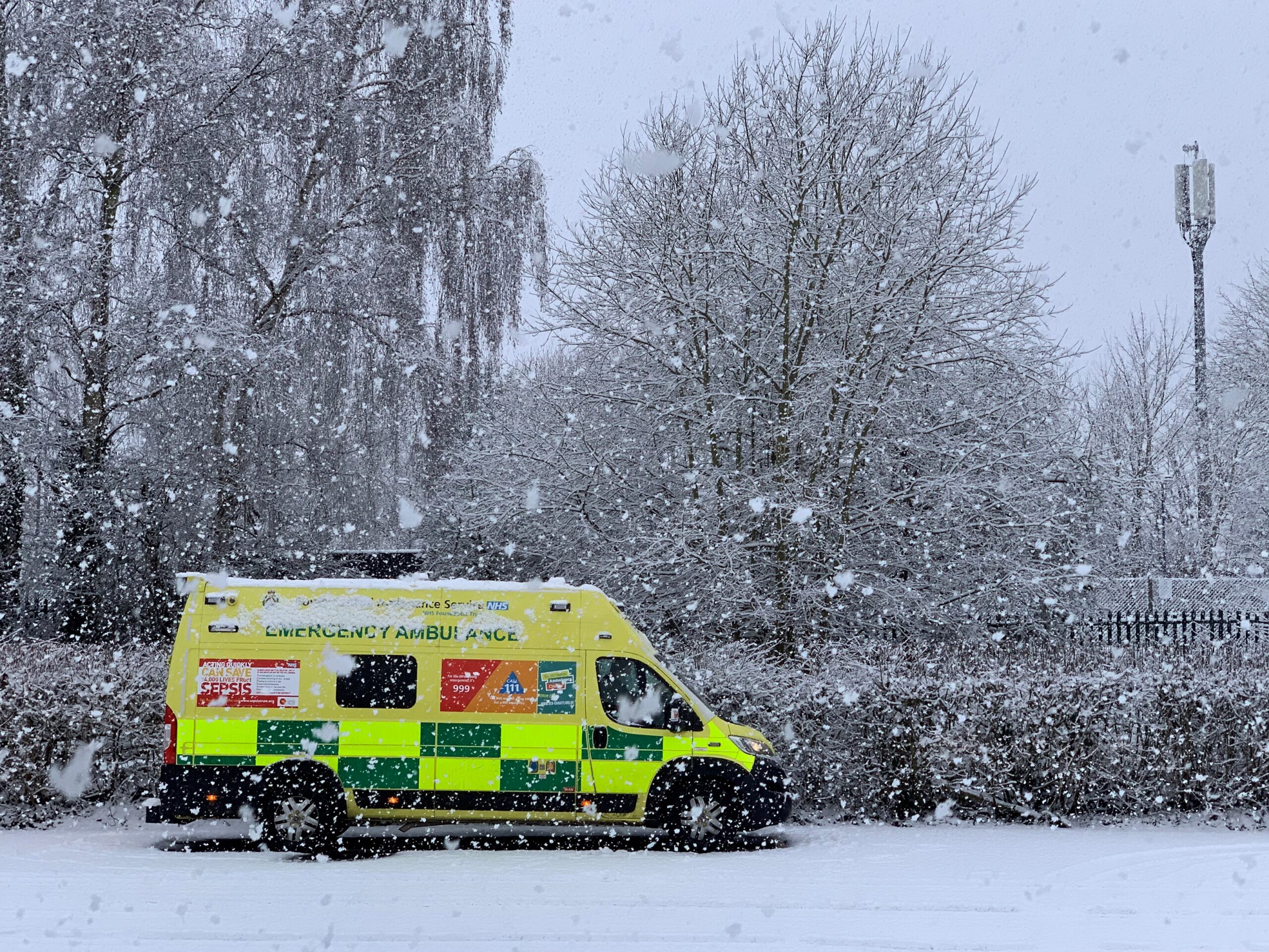
Amber alerts, active from November to March as part of the Cold-Health Alerting System, indicate that cold weather impacts are likely to be felt across the entire health and social care system. They pose serious risks, particularly to vulnerable populations, and necessitate an enhanced, coordinated response. The Met Office forecasts continued frost, ice, and snow, which not only directly affects health but can also disrupt travel, delay emergency responses, and impede access to care.
The cold conditions are compounding existing winter pressures from high levels of respiratory viruses, including influenza, COVID-19, and norovirus-like illnesses. These viruses have already led to high hospital admissions and bed occupancy, keeping demand exceptionally high despite a recent slight dip in flu cases. High hospital bed occupancy, often above safe operating levels, remains a persistent challenge.
The UKHSA warns that the cold poses serious health risks, especially for older adults, people with long-term conditions, and those with respiratory or cardiovascular vulnerabilities, increasing the risk of heart attacks, strokes, and chest infections. Beyond clinical illnesses, colder weather significantly increases the risk of falls and trauma from ice and snow, which translates into higher demand on already stretched resources across A&E services, ambulance crews, and urgent care pathways. The intense demand is evident in the NHS 111 service, which recently recorded one of its busiest days in two years for answered calls.
In response to the combined pressure, the NHS has taken measures to expand its emergency capacity, including the deployment of over 500 new ambulances at the end of December in one of the largest recent fleet upgrades to bolster emergency response times. Local authorities and community organisations are also coordinating efforts, setting up alert systems and helplines for older and at-risk residents.
The pervasive amber cold alerts highlight how a harsh winter intensely escalates existing pressures on the NHS, layering weather-related health risks onto virus-driven demand. As freezing conditions continue, effective public health messaging and robust NHS capacity planning are crucial for limiting the impact on the most vulnerable and maintaining essential services.



.jpg)
.jpg)
.jpg)