
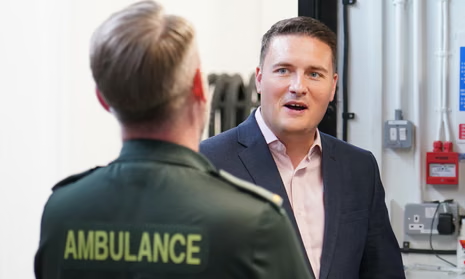
NHS hospitals are currently facing intense pressure, described by frontline clinicians as a "toxic cocktail" of seasonal illnesses, chronic understaffing, and capacity constraints. An NHS trust boss has already warned that their hospital is "under a lot of pressure" as emergency department arrivals surge daily. Key drivers of this strain include a heavy respiratory illness season spanning 2025 into early 2026, including influenza, COVID19, and norovirus infections, driving high numbers of hospital stays and A&E inflows. Although some flu admissions have recently fallen, health leaders caution the NHS is "not out of danger yet," with subzero temperatures forecast to heighten the strain.
The system is further compromised by capacity overload, with hospitals in England experiencing dangerous overcrowding and emergency departments reporting high bed occupancy rates, sometimes approaching full capacity. A significant systemic strain is the rise in delayed discharges, patients who are medically fit to leave but cannot due to a lack of social or community care support. This consumes bed days, compromises patient flow, and increases waits in A&E. The Royal College of Nursing (RCN) has highlighted a "devastating" winter, marked by a dramatic surge in 12hour waits in A&E for admission, signalling a deepening crisis in urgent and emergency services.
Despite these challenges, NHS England notes improvements in some metrics, such as a reduction in ambulance handover delays and the continuation of planned treatments. However, the foundational issues persist, meaning trusts cannot quickly adapt to sudden spikes in demand. Trust leaders and national health officials are urging the public to use NHS services appropriately, specifically directing nonurgent issues to NHS 111 or NHS 111 online, reserving A&E for life-threatening conditions. Efforts are also underway to expand community care, same day emergency services, and virtual wards to reduce avoidable admissions.
Ultimately, trust leaders stress that sustainable solutions require structural investment in workforce, social care capacity, and primary care to make winter extremes more manageable in the long term. For patients navigating care this winter, access to urgent services may be slower. NHS leaders continue to thank staff for their efforts while emphasising that appropriate service use and vaccination uptake remain vital to ease the burden.



.jpg)
.jpg)
.jpg)