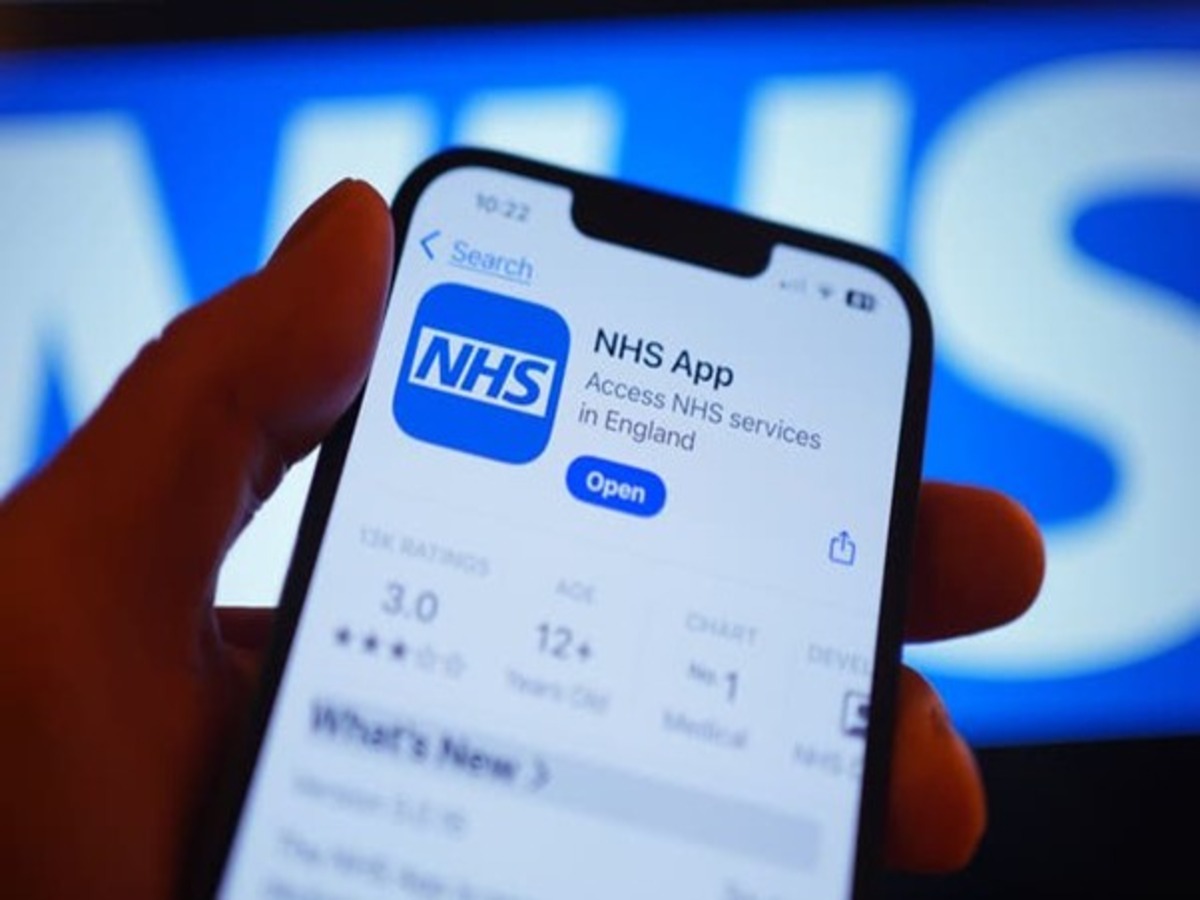
NHS England plans to develop online consultation and triage capabilities within the NHS App, bringing functionality that GP practices currently purchase from private technology companies under direct central control. For the firms that have built their businesses around supplying that software, the implications are considerable.
At present, GP practices choose and fund their own digital consultation tools from a competitive market of independent vendors. These platforms handle patient triage, appointment requests and clinical routing, and practices have generally been free to select whichever product suits their workflows. That model is now under review. The plan under development would replace locally procured software with a single, centrally managed system embedded in the NHS App, with existing third-party contracts expected to wind down as the new features go live.
The market at stake is estimated at £32 million a year. Much of that revenue flows to small and medium-sized enterprises that depend heavily on NHS primary care licensing fees. If central procurement replaces local purchasing, those companies face losing their primary source of income with limited prospect of replacing it elsewhere in the short term. Some have been supplying GP practices for years and have built their products around the particular demands of NHS workflows, making a pivot to other markets far from straightforward.
The technology sector has raised concerns about what the shift means for innovation. Critics argue that a single state-run system removes the competitive pressure that has historically driven product improvements, and that venture investors are unlikely to back health software companies if the largest potential customer is also building a competing product. The argument is not new, but the scale of the proposed consolidation gives it more force than previous discussions of NHS digital strategy have attracted.
NHS England's case for centralisation rests on several practical grounds. A unified system would offer patients the same experience regardless of where they live, removing the variation that currently exists when one practice uses a different platform from the next. Centrally developed software would also eliminate multi-vendor licensing costs over time, with savings expected to offset the investment required to build and maintain the new capability. There is an integration argument too: a system built inside the NHS App could feed patient intake data directly into central medical records rather than requiring data transfers between separate platforms.
The clinical and operational questions are harder to resolve quickly. The specialist platforms currently used in primary care have been refined over years to handle the particular complexity of GP triage, including safety-net questions, clinical decision support and routing logic designed around specific patient populations. Whether a newly built central system can replicate that depth of functionality at the point of rollout is an open question. GP practices that have configured existing tools to match their individual workflows will also face a transition period, with staff needing time to adapt to a mandatory national product that may handle certain tasks differently to what they are used to.
Industry representatives have been direct in their criticism. Trade bodies have warned that concentrating this much of the primary care software market in a single state-managed system carries risks that go beyond commercial disruption, including reduced responsiveness to clinical needs and a slower pace of development than a competitive market would produce. Some have called for assurances that the NHS App's triage features will be subject to independent evaluation against existing products before practices are required to switch.
GP practices themselves appear divided. Some have expressed frustration with the fragmentation of the current market and welcome the prospect of a single, centrally supported tool. Others are concerned about losing control over systems they have spent time and money tailoring to local needs, and are sceptical that a nationally developed product will be flexible enough to accommodate the variation in how different practices operate.
The timetable for implementation has not been confirmed in full. What is clear is that the companies currently supplying online consultation software to the NHS are being given limited time to prepare for a market that may cease to exist.


.jpg)

.jpg)