
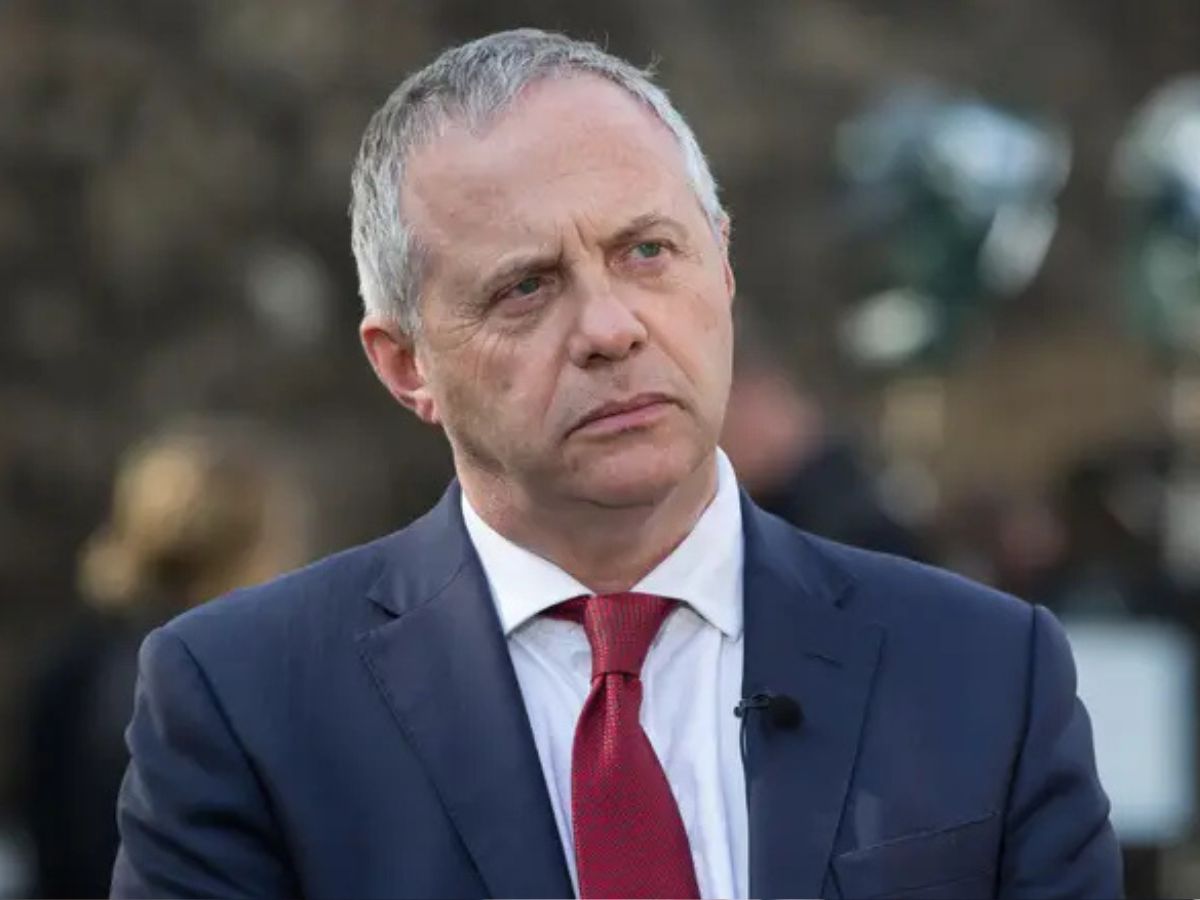
NHS staff in England could be banned from wearing political badges while on duty under proposals set out in an independent government review into antisemitism within the health service. The measure, if adopted, would prohibit symbols including pro-Palestinian and pro-Israeli badges from being worn on NHS uniforms.
The review was conducted by Lord Mann, the government's independent adviser on antisemitism, and was commissioned following the fatal attack at Heaton Park Synagogue in Manchester in October 2025. It formed part of a wider series of independent reviews into antisemitism across different sectors of public life ordered in the aftermath of that attack.
The report's recommendations extend beyond uniform policy. Lord Mann calls for stronger accountability for NHS managers, better recording and monitoring of racist incidents, and changes to patient records that would allow individuals to register their ethnicity as Jewish. Taken together, the proposals are aimed at addressing what the review describes as systemic failures to protect Jewish staff and patients.
On the question of badges, Lord Mann drew a clear line between political symbols and religious expression. He said wearing a pro-Palestinian or pro-Israeli badge creates fear for some patients and could affect their willingness to engage with care."If you're fearful at what they are wearing as political symbolism, then that could be dangerous in terms of health outcomes," he said to the BBC. He said he was not recommending any restriction on religious symbols such as a crucifix or Star of David, describing those as a different matter entirely.
The review's findings paint a difficult picture of life for Jewish NHS workers and patients. Lord Mann said some Jewish staff had experienced what the report calls "routine ostracism" and had left the NHS as a result. Some Jewish patients, the report found, had avoided seeking care altogether over fears of encountering antisemitism. A Jewish A&E doctor, who spoke anonymously, said she had felt uncomfortable seeing colleagues wearing pro-Palestinian badges. "The public should have trust in healthcare professionals and if you express political opinions, it can undermine that trust," she stated.
Health Secretary James Murray accepted the recommendations in full. "I know that Jewish people and everyone experiencing discrimination need action not words," he said. "Together with NHS England, we will waste no time in setting these recommendations in motion." NHS England's chief executive, Jim Mackey, stated that the organization agrees with every suggestion and will act to implement them, acknowledging there is "unacceptable antisemitism and racism in the NHS" faced by both staff and patients. The Department of Health and Social Care said it is supporting the recommendations subject to consultation and further engagement with key stakeholders.
The proposed badge ban is not without legal complications. Three members of staff at Barts Health NHS Trust in London have already launched legal action against their employer, arguing that its existing dress code policy unlawfully discriminates against them on the grounds of their pro-Palestinian beliefs. The case illustrates the tension between institutional neutrality and individual rights of expression that any new national policy will need to navigate.
Jewish representative bodies welcomed the report. Karen Newman, vice president of the Board of Deputies of British Jews, said public services must set the standard for confronting anti-Jewish hatred. A spokesperson for the Jewish Medical Association said antisemitism must be taken seriously and expressed support for banning political symbols, adding that any policy should apply without discrimination. Professor Andrew Eder, chair of trustees of the Jewish Dental Society, said antisemitic incidents in dentistry had risen sharply since October 2023, describing the current situation as unlike anything he had witnessed in 40 years of practice.
NHS England is already conducting a separate review of its uniform policy, last updated in 2020. The badge ban recommendation is expected to be considered as part of that process. A formal consultation with staff and other stakeholders will follow before any changes to national guidance are introduced.



.jpg)
.jpg)