
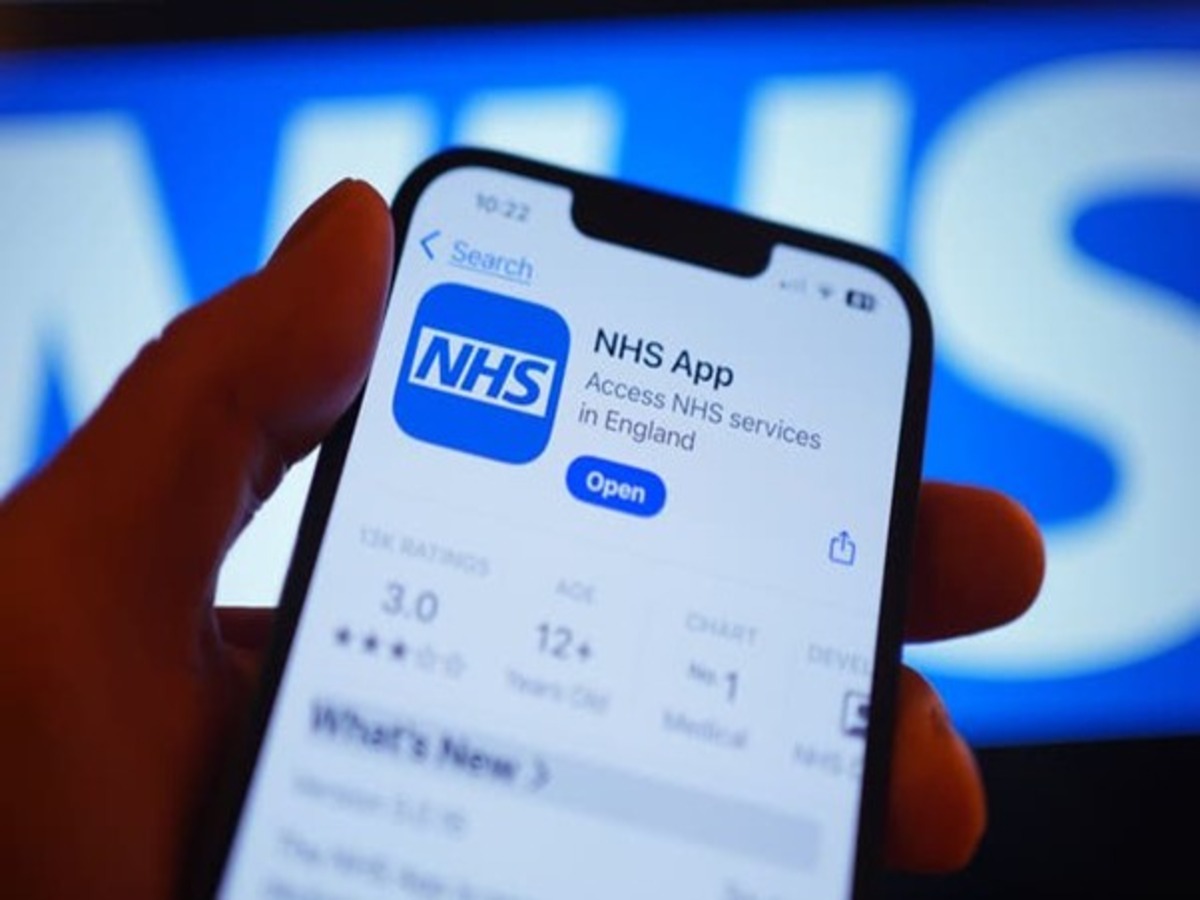
NHS England has published a preliminary market engagementnotice seeking suppliers that can deliver end-to-end diagnostic testingpathways for NHS Online, its virtual hospital service scheduled to launch in2027. The notice does not constitute a procurement. It is a request forinformation, asking the market whether it can actually do what the service willneed.
The scope covers digital test ordering, appointment booking,and the electronic delivery of results to patients. NHS England says responseswill be used to understand provider capabilities, digital maturity, and theinteroperability required to support diagnostic access at scale. A guidecontract value of £160,000 has been assigned, with the contract expected to runfrom December 2026 to December 2030.
NHS Online is designed to triage patients through the NHSApp, connect them with specialists via video consultation, and support homemonitoring to reduce unnecessary hospital attendance. NHS England has projectedthe service will deliver the equivalent of up to 8.5 million virtualappointments and assessments in its first three years. Nine conditions havebeen identified as priorities for the initial phase, among them menopause andprostate problems.
The procurement timeline reveals something about the stateof preparation. Market responses are due by 22 May 2026. The formal contractnotice is not expected until around 31 August. That three-month gap betweenengagement closing and procurement opening suggests NHS England is stillworking out what model it wants before it asks for bids. For a service due togo live in 2027, that is a tight window.
Diagnostics has consistently been the point at which virtualcare models run into difficulty. Video consultations and remote monitoring aretechnically straightforward by comparison. Getting a test ordered digitally,routed to an appropriate provider, completed, and the result returned to theright clinician and patient in a usable format requires integration acrosssystems that were not built to talk to each other. The engagement notice, readcarefully, is an acknowledgement that this problem has not yet been solved forNHS Online.
The push toward virtual and remote care is visible acrossmultiple parts of the health service. South East Coast Ambulance Service haspublished a target operating model for virtual care, aiming to standardiseclinical assessment, reduce unnecessary conveyances to emergency departments,and improve referral accuracy through shared records. In Bristol, a partnershipbetween North Bristol Trust and University Hospitals Bristol and Weston hasoutlined plans to reduce routine face-to-face outpatient appointments and shiftfollow-up care to remote delivery.
Ireland has moved further along this path in some respects.Two pilot acute virtual wards at St Vincent's University Hospital andUniversity Hospital Limerick have recorded 1,500 admissions and 13,800 virtualbed days. Four further virtual wards have since launched at hospitals inDrogheda, Tullamore, Cork and Kilkenny, with a fifth planned for Galway.Ireland's Minister for Health, Jennifer Carroll MacNeill, described the resultsas significant in terms of both patient outcomes and reduced pressure on hospitalbeds.
Whether NHS Online can replicate that kind of impact dependssubstantially on whether the diagnostic infrastructure works. Telling a patientthey can be seen remotely is straightforward. Ensuring a blood test is ordered,collected, processed and acted upon without the patient attending a hospital isconsiderably less so. The market engagement exercise is, in effect, NHS Englandasking whether anyone has solved that problem yet.



.png)
.png)
.jpg)