The first lung transplant under a new national pilot has been carried out at Queen Elizabeth Hospital Birmingham, after the donor lungs passed through two other hospitals before reaching the operating theatre. The procedure was announced on 20 August by University Hospitals Birmingham NHS Foundation Trust and NHS Blood and Transplant. The trust said the recipient is recovering well and has been discharged from hospital.
The lungs were donated at a hospital in the north of England and taken to Royal Papworth Hospital in Cambridge, where they were assessed using ex vivo lung perfusion. They were then sent to Birmingham, where the hospital's transplant team performed the operation. The programme, known as Assessment and Recovery Centres, or ARCs, was developed by NHS Blood and Transplant with the cardiothoracic transplant community and is funded by the Department of Health and Social Care. The Department describes it as the first national programme of its kind in the world.
The model responds to a difficulty that transplant teams know well. Donor lungs must be used within a short time, and early tests do not always show clearly how well an organ is working. Birmingham's trust describes a clinical grey area, in which decisions have to be made quickly and some organs are declined out of caution. Under ARCs, an organ of that kind can be sent to a specialist centre for further assessment before it is offered to another transplant team.
At Royal Papworth, the lungs are attached to a machine that ventilates them and passes fluid through them, which lets clinicians check how they perform outside the body. The hospital opened as the first lung ARC in March 2026. It has used the technique in clinical cases since 2024, supported by separate NHS England funding, and reported in March that 12 patients had received lungs assessed this way. Harefield Hospital in west London, which says it has used ex vivo perfusion since 2009, has since been named as a second lung pilot site.
NHS Blood and Transplant has selected 15 hospitals as pilot sites for the wider programme, which covers livers and kidneys as well as lungs. A liver has already been transplanted through the pilot, and the organisation says further sites, including kidney centres, will open over the coming months. The pilot begins while the transplant waiting list is at a record high, according to Harefield's own statement.
The Department and NHS Blood and Transplant expect the model eventually to raise the number of transplants by around 20%. The Department says that could save or improve about 750 lives a year. Those figures are projections for the programme as a whole. A single operation does not show whether they will be met, which will depend on how many assessed organs go on to be transplanted and how recipients fare afterwards.
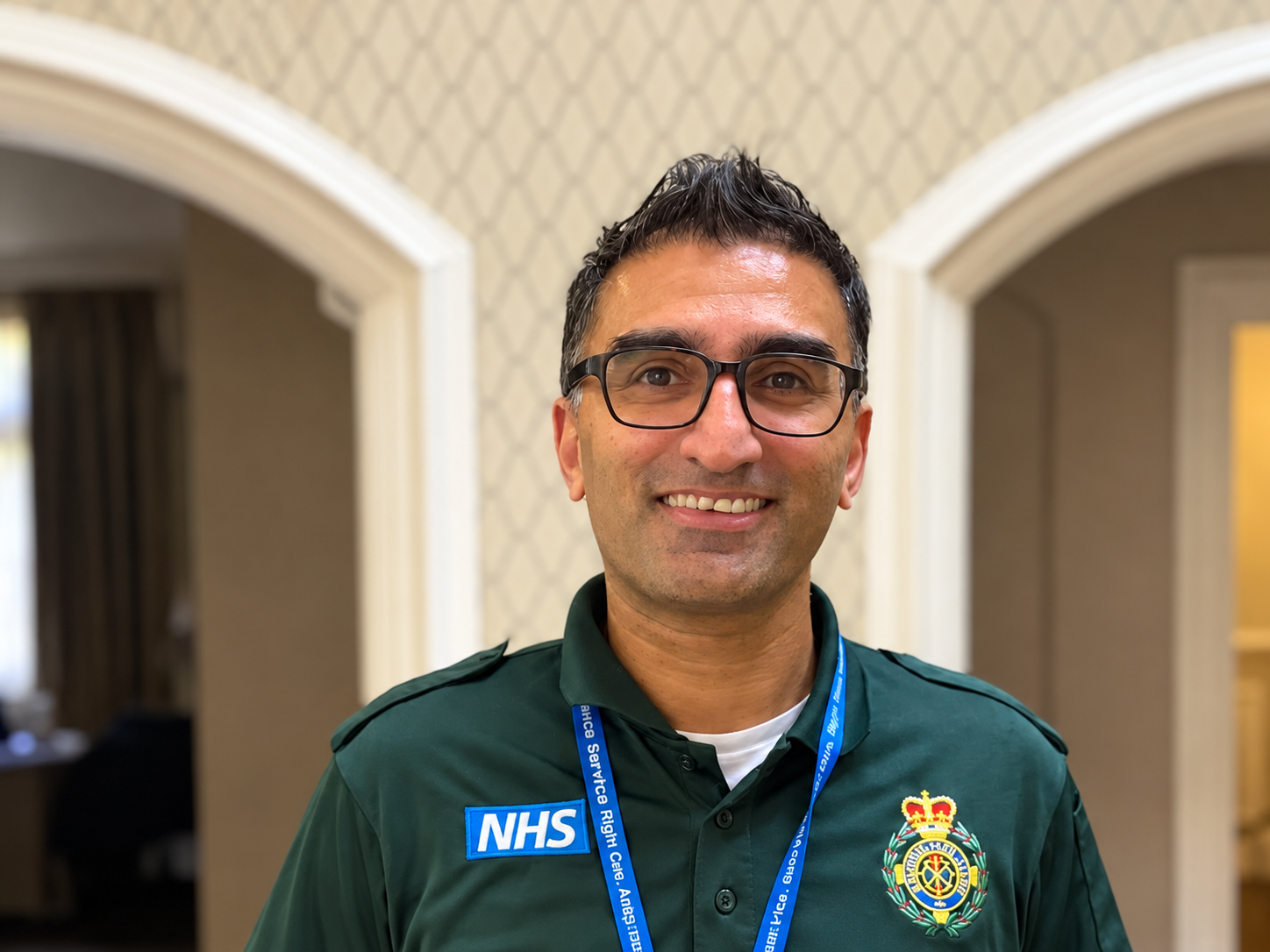
Aaron Ranasinghe, consultant heart and lung transplant surgeon and transplant programme lead at University Hospitals Birmingham, said the case showed what NHS organisations can achieve by working together. He said expertise from specialist teams across the country can be combined to assess, preserve and transplant organs that might previously have been declined.
The trust says that if the pilot succeeds, ARCs could become the standard approach for organs that need further evaluation before transplant, with dedicated specialist centres created in future. Moving an organ between three hospitals adds a journey and a handover to a process that already runs against the clock, so the logistics will form part of the assessment alongside the clinical results.