
Two of England's most financially and operationally strained NHS trust groups have confirmed permanent chief executives following a prolonged period of interim management, with one appointment delayed after hospital governors intervened to demand an open recruitment process.
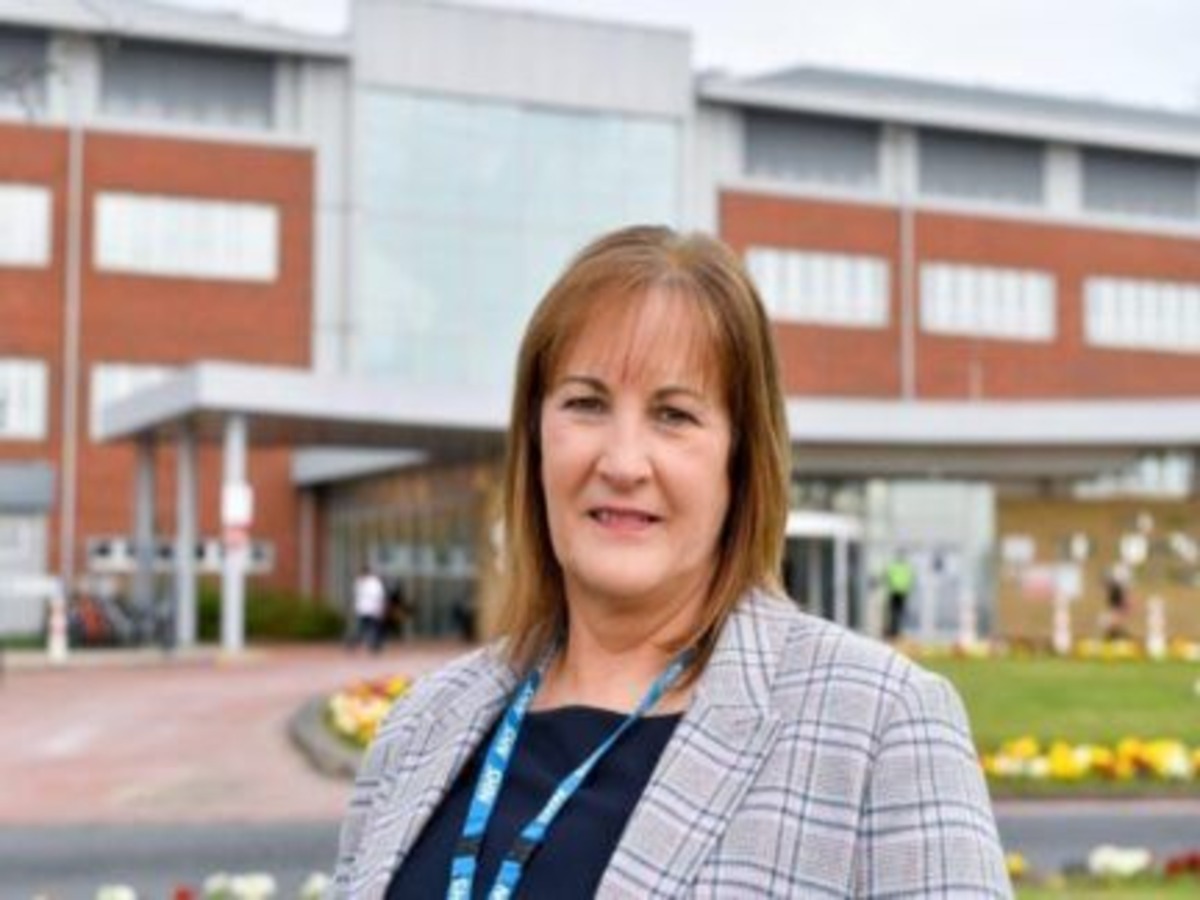
Lyn Simpson has been confirmed as permanent Chief Executive of the Humber Health Partnership, the group that oversees Hull University Teaching Hospitals and Northern Lincolnshire and Goole Foundation Trust. Her appointment follows a dispute in which governors objected to attempts to install her in the post without competitive recruitment, insisting that due process be observed regardless of the circumstances. NHS England subsequently endorsed her confirmation, describing the move as necessary for the organisation to make sustained progress.
The friction at Humber was notable. Governors, whose formal powers include scrutinising significant appointments, held firm against what they regarded as an attempt to shortcut accountability procedures. Their intervention forced a full recruitment exercise, which Simpson ultimately won. The episode drew attention to the tension that can arise between institutional urgency and governance obligations when a trust is operating under intense external scrutiny. NHS national leadership acknowledged the importance of the process being completed properly, framing the outcome as a step toward longer-term recovery.
Simpson and Humber are among five trusts currently placed in a specialised intensive recovery programme operated by NHS England, a designation reserved for providers judged to face the most serious combination of financial deficits, operational failures and structural problems. The programme involves closer oversight, regular performance reviews and direct engagement from national leadership. Being inside it carries both additional resource and considerably more accountability.
The argument for converting interim roles into permanent ones within that setting is straightforward. Interim leaders, however capable, operate with limited institutional authority. Staff, clinicians and board members are aware that the arrangement is temporary, which can complicate long-term decision-making and inhibit the kind of cultural change that recovery programmes typically demand. Permanent appointments signal a degree of settled direction that interim status cannot provide.
North Cumbria Integrated Care, also within the intensive recovery cohort, has made a similar move. Trudie Davies, who has been serving as interim chief executive, has now been confirmed in the role on a permanent basis. Davies stepped into the position following Simpson's departure to Humber the previous year, and her own confirmation closes a period of sequential interim leadership across the two organisations.
Her move to a permanent footing at North Cumbria leaves a vacancy at Gateshead Health Foundation Trust, which she had led before taking on the interim role in Cumbria. Gateshead will now begin its own search for a permanent chief executive and will be managed on an interim basis in the meantime. The secondary vacancy is an unremarkable consequence of executive movement within a constrained labour market, though it does mean a third organisation is now managing without settled top leadership.
The practical pressure on Simpson and Davies is considerable. Permanent appointments carry expectations that interim roles do not, and both women are taking on organisations where the list of unresolved problems is long. The intensive recovery programme operates against defined benchmarks, and progress is tracked closely. Neither trust is in a position where a slow start would go unnoticed.
NHS England's support for both appointments has been explicit. National leadership has indicated that stable, accountable management is a prerequisite for any meaningful improvement in the trusts' clinical and financial performance. That position is reasonable. Repeated leadership changes are disruptive and expensive, and they tend to entrench exactly the kind of institutional instability that recovery programmes are designed to address.
What the appointments do not resolve, however, is the underlying condition of the organisations themselves. The governance dispute at Humber, now settled, demonstrated that even in a crisis, procedural integrity matters. Governors were right to insist on it. The question now is whether settled leadership translates into measurable improvement for patients across two of the country's most stretched health services.



.png)
.png)
.jpg)