Sharp Price Reaction in Global Markets
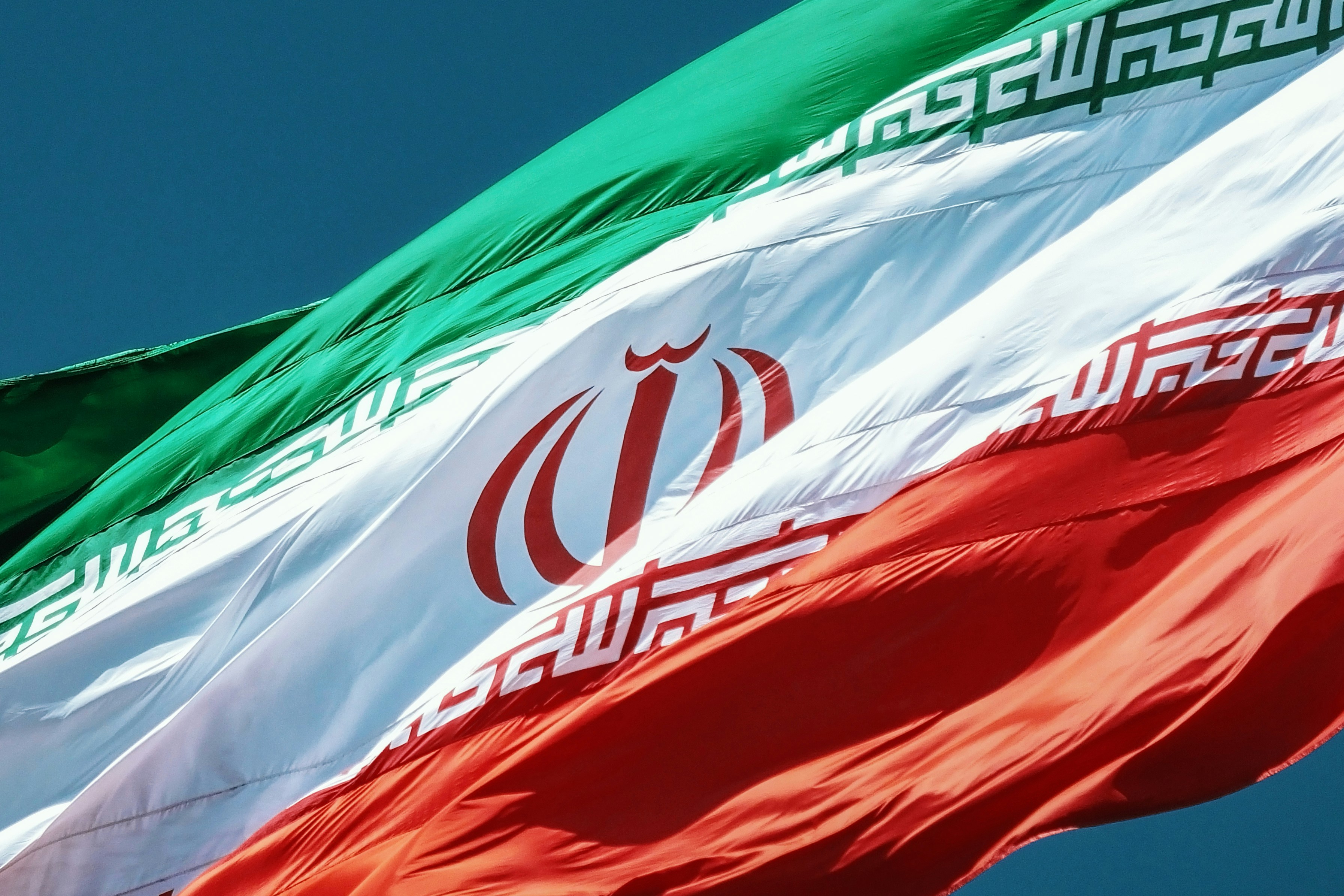
Global oil prices surged in early March 2026 after an escalation of conflict involving Iran led to significant disruption of energy flows through the Middle East, heightening concerns over inflation and economic stability worldwide.
Brent crude, the international benchmark, climbed above $80 per barrel this week, while US West Texas Intermediate (WTI) rose into the mid-$70s. Traders cited growing disruption to shipping movements through the Strait of Hormuz, a narrow but strategically vital waterway through which roughly a fifth of the world’s oil supply normally passes.
The spike follows intensified hostilities between Iran and its regional adversaries, prompting retaliatory actions that have affected commercial shipping in the Gulf. Several tanker operators have reportedly delayed or rerouted voyages amid heightened security warnings, while insurance costs for vessels transiting the area have risen sharply. Even without a formal blockade, the reduction in traffic has constrained supply flows and injected a sizeable geopolitical risk premium into crude markets.
Export Routes as Critical as Production
Energy analysts note that export routes are just as critical as production levels. Gulf producers including Saudi Arabia, Iraq and Kuwait may continue pumping oil, but if tankers cannot move freely through Hormuz, global supply tightens in practical terms. Markets tend to respond rapidly to such logistical chokepoints, particularly when tensions show little sign of easing.
In response to mounting volatility, OPEC and its allies (OPEC+) have announced a modest production increase scheduled for April, amounting to just over 200,000 barrels per day. While the move is designed to reassure markets, analysts caution that additional output may not fully offset disruption if shipping constraints persist. Oil must not only be produced but also delivered, and that remains the key uncertainty.
Why the Strait of Hormuz Matters
The Strait of Hormuz, situated between Iran and Oman, is one of the world’s most strategically important energy corridors. On a typical day, between 15 and 20 million barrels of crude oil and liquefied natural gas transit the passage. Any sustained disturbance, whether through military action, political brinkmanship or commercial caution reverberates quickly across global markets.
Forecasts now suggest prices could remain elevated if the standoff continues. Some investment banks have warned that Brent crude could approach $100 per barrel in a worst-case scenario involving prolonged disruption. For energy-importing economies, that would intensify inflationary pressures just as many central banks are attempting to stabilise post-pandemic growth and bring consumer prices under control.
Impact on the Caribbean and Guyana
For the Caribbean, the impact could be more acute. Many island economies remain heavily dependent on imported refined fuels for electricity generation and transport. A sustained rise in global oil prices would increase fiscal pressure on governments that already manage tight public finances, and could lead to higher electricity tariffs and transport costs across the region.
Guyana presents a more complex picture. As one of the world’s fastest-growing oil producers, the South American nation stands to benefit from higher crude prices in terms of export revenues and government income. Increased earnings could strengthen public investment and bolster foreign exchange reserves. However, volatility also creates uncertainty in long-term planning and may affect global investment patterns in the energy sector.
Moreover, higher global fuel prices still feed into domestic costs for refined products, which Guyana imports. That means consumers could face higher pump prices even while the country benefits from elevated export earnings.
Energy Security Back in Focus
Beyond immediate price movements, the latest escalation underscores the continuing link between geopolitics and energy security. Despite the global push towards renewable energy and diversification of supply chains, the world economy remains sensitive to instability in the Gulf region.
Governments are closely monitoring developments, with some considering releases from strategic petroleum reserves should disruption worsen. Others are accelerating efforts to diversify supply routes and invest in alternative energy sources to reduce reliance on vulnerable chokepoints.
For now, markets remain highly reactive to headlines. Whether prices stabilise or climb further will depend on diplomatic developments and the practical realities of shipping through one of the world’s most critical maritime corridors. As events unfold, energy costs are once again serving as a barometer of global geopolitical risk, with consequences stretching from London to Georgetown and across the wider Caribbean.


.jpg)
.jpg)