

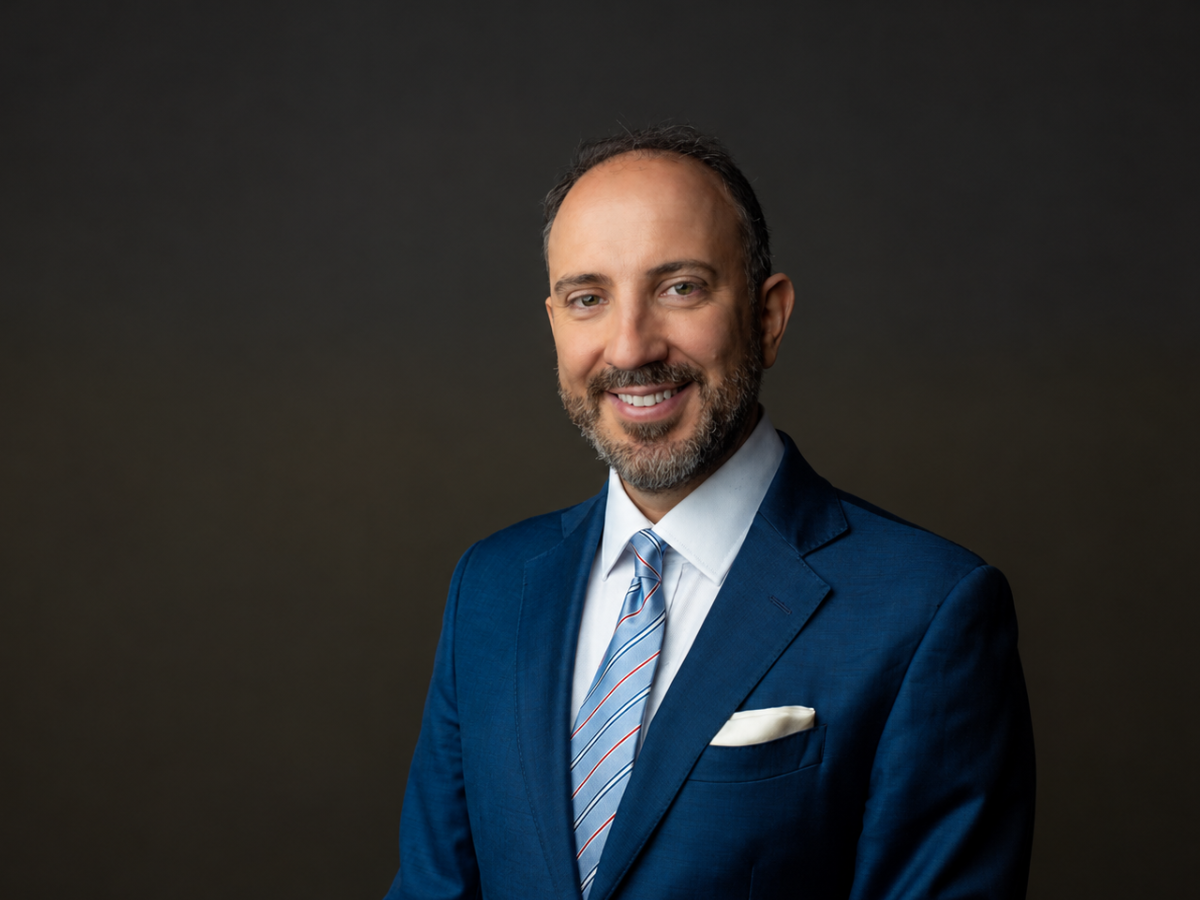
Professor Ian Abbs is set to return to Guy's and St Thomas' NHS Foundation Trust as interim chief medical officer from April 2026, marking a significant leadership development at one of the UK’s largest and most influential healthcare organisations.
The appointment follows a broader leadership restructure within the trust and comes just months after Abbs stepped down as chief executive, a role he held from 2019 to 2025. During his tenure, he led the organisation through the COVID-19 pandemic and oversaw major digital and organisational transformation, including the high-profile rollout of an Epic electronic patient record system. His return in a senior clinical leadership capacity highlights both continuity and the trust’s reliance on experienced leadership during a period of organisational change.
Leadership transition and national system links
Abbs will replace Simon Steddon, who is moving to a national role at NHS England. The transition reflects the close links between major London teaching hospitals and national NHS leadership structures. The restructure is being overseen by chief executive Amanda Pritchard, who took up the role in 2025 after previously serving as chief executive of NHS England.
This leadership configuration places a strong emphasis on alignment between national policy and frontline delivery, particularly as the NHS continues to implement system-wide reforms around integration, digital transformation and workforce planning. Observers note that bringing back a former chief executive into a clinical leadership role is relatively unusual, but reflects the scale and complexity of the trust, which employs tens of thousands of staff and delivers highly specialised services.
A leader with deep organisational and digital experience
Abbs brings extensive institutional knowledge to the role, having spent more than three decades at Guy’s and St Thomas’. His career spans clinical practice, academic leadership and senior management, including previous roles as chief medical officer before becoming chief executive. As CEO, he played a central role in advancing the trust’s digital agenda. This included the implementation of one of the largest electronic patient record deployments globally, delivered in partnership with other London trusts. His experience in digital transformation is expected to be particularly relevant as the trust continues to optimise its systems and expand data-driven approaches to care.
In addition, Abbs has held national-level roles, including positions on NHS England boards and advisory groups, contributing to policy development in areas such as genomics, digital health and integrated care. This combination of clinical, operational and strategic expertise is likely to support the trust as it navigates ongoing challenges and opportunities.
Implications for clinical leadership and digital strategy
The appointment comes at a time when the role of chief medical officer is evolving, with increasing emphasis on clinical leadership in digital transformation, patient safety and service redesign. At large, research-intensive trusts such as Guy’s and St Thomas’, the chief medical officer plays a critical role in bridging clinical practice and organisational strategy, particularly in areas such as data use, artificial intelligence and innovation partnerships.
Abbs’s return may therefore strengthen the trust’s ability to align clinical priorities with digital initiatives, ensuring that technology supports frontline care effectively. More broadly, the move reflects a trend across the NHS towards leveraging experienced leaders in different capacities, rather than relying solely on traditional career pathways. This flexibility is seen as essential in a system facing complex demands and rapid change.
Stability and continuity during system reform
The leadership reshuffle also underscores the importance of stability within major NHS organisations. Guy’s and St Thomas’ is a central player in London’s health system, with strong links to academic institutions, research programmes and national policy development. Maintaining continuity in leadership is therefore critical not only for the organisation itself but for the wider NHS ecosystem. By appointing a well-known and respected internal figure, the trust is signalling a commitment to continuity while adapting to new leadership arrangements.
For health and technology leaders, the development highlights the growing interdependence between leadership, clinical expertise and digital capability. As the NHS continues to evolve, the ability to combine these elements effectively will be key to delivering both operational performance and long-term transformation.



.png)
.jpg)