
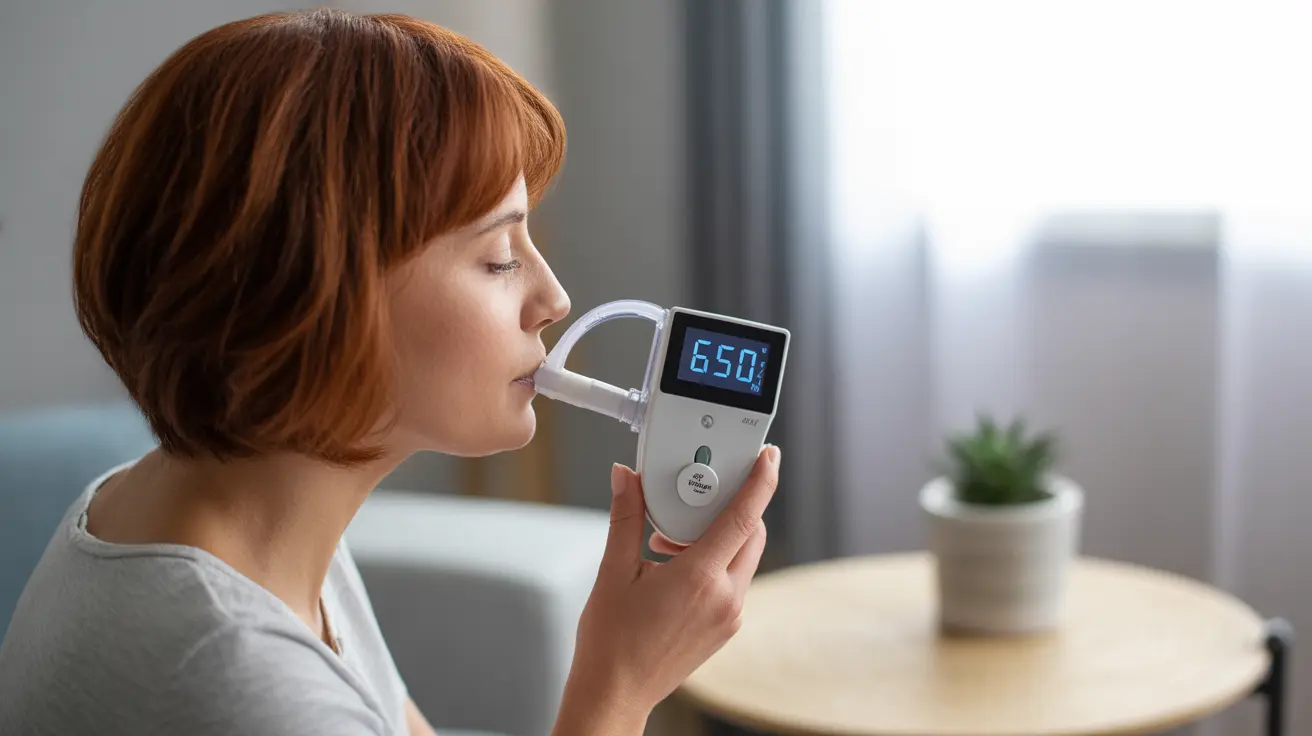
Asthma management in the UK is entering a new digital era, as the National Health Service (NHS) begins integrating digital tools and smartphone applications. This shift acknowledges the power of digital health innovations to help the 5.4 million people in the UK with asthma better monitor their symptoms, adhere to medication, and ultimately reduce avoidable hospital visits.
In January 2026, the National Institute for Health and Care Excellence (NICE) issued draft guidance recommending eight digital platforms for use in NHS care while they undergo a three-year evidence collection period. These platforms, Asthmahub, Asthmahub for parents, AsthmaTuner, Digital Health Passport, Luscii, myAsthma, RDMP, and Smart Asthma, offer personalised support features like symptom tracking, medication reminders, educational content on inhaler technique, and key features:
These apps are a major improvement over paper-based plans, offering accessible, real-time guidance on a smartphone. Digital PAAPs help patients quickly understand the necessary steps when their symptoms change, improving self-management and potentially preventing severe exacerbations.
Many of the tools, such as the Digital Health Passport, allow for optional data sharing with GPs or nurses. This functionality provides clinicians with symptom logs and personalised action plans, leading to more efficient reviews and highly tailored care based on identifiable patterns and triggers.
Early evidence suggests these digital tools are effective, showing improvements in asthma control scores, a reduction in hospital visits, and increased patient confidence. It is important to note that these technologies are not replacements for traditional healthcare but are intended to support patients alongside regular appointments. This hybrid model maintains the central role of clinicians while extending support into the patient's daily life.
This guidance is part of a broader NHS initiative to leverage digital health technologies, including mHealth and AI (like the spirometry diagnostic tool ArtiQ.Spiro), to transform the management of chronic diseases. The initiative is also seen as a crucial step in addressing health inequalities, as accessible, personalised digital support could help improve outcomes for people in deprived areas who are often more severely affected by asthma.
Public consultation on the draft guidance is open until 21 January 2026. After the three-year evidence generation period, NICE will determine whether to recommend these tools for routine, nationwide NHS use, a decision that will modernise respiratory care pathways. The clear emerging consensus is that digital health tools are becoming an integral part of asthma care, empowering patients and reducing the burden on the NHS.



.jpg)
.jpg)
.jpg)