
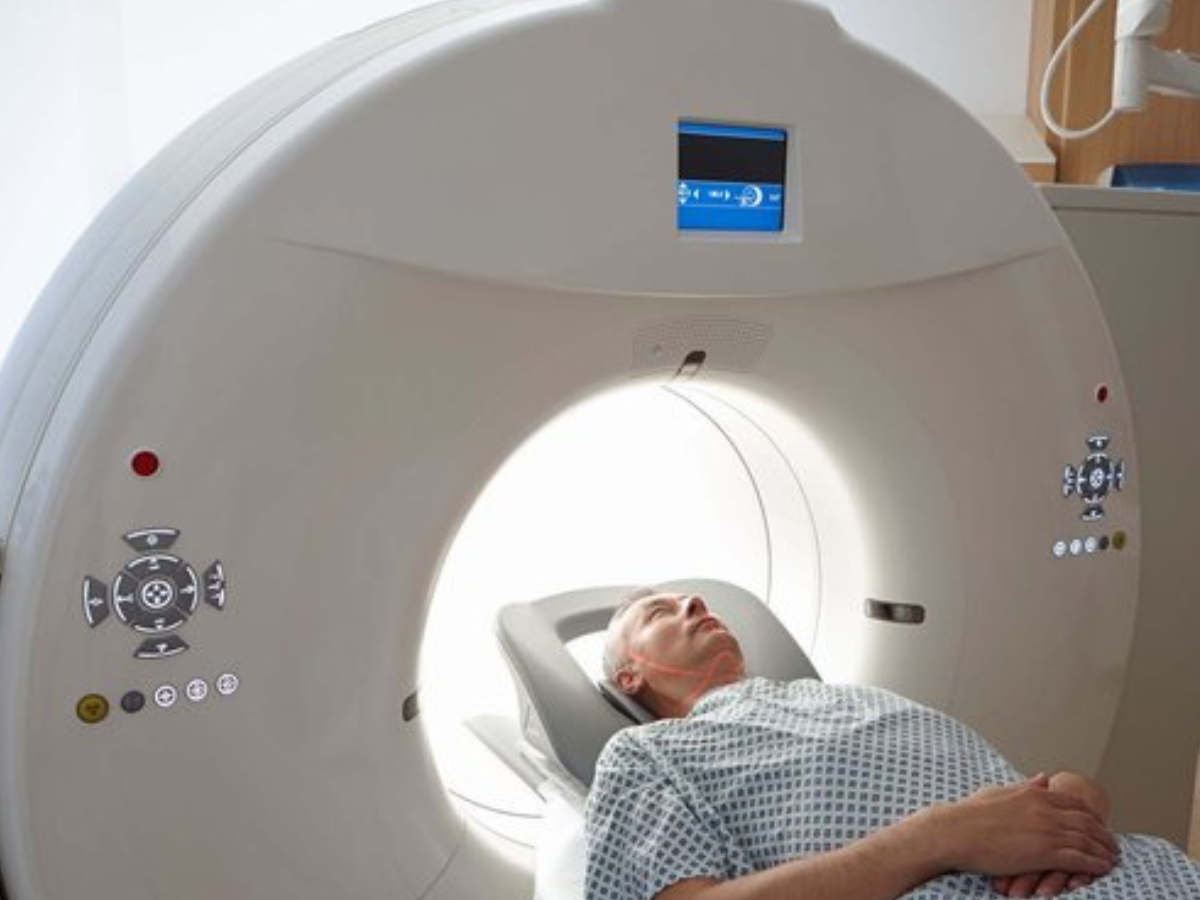
More than 403,000 people in the UK were diagnosed with cancer in the past year, according to Cancer Research UK's 2026 report. That figure amounts to roughly 1,100 diagnoses every day, or one every 80 seconds. It is the highest annual total ever recorded, and it arrives at a moment when the health system's capacity to respond is under sustained strain.
The numbers reflect genuine medical progress as much as they do a worsening public health picture. Improved screening for breast, bowel, and lung cancers is detecting cases that would previously have gone unnoticed until later stages. In that sense, higher diagnosis rates are partly the intended consequence of expanded detection programmes. But they are also the result of a population that is older and, in growing numbers, heavier than it was a generation ago.
Age remains the single most significant risk factor for cancer. As the UK population grows and lives longer, the absolute number of people entering high-risk age groups increases each year. This demographic reality accounts for much of the long-term upward trend and is unlikely to reverse.
Alongside ageing, obesity has become an increasingly prominent driver of new cases. Cancer Research UK's data links excess body weight to more than one in 20 cancer deaths. That proportion is rising. While smoking rates have continued to fall and tobacco remains the leading cause of preventable cancer deaths overall, obesity is closing the gap and, for some cancer types, has already overtaken it as a risk factor. The implications for future case numbers are considerable, given that obesity rates among adults have increased substantially over the past two decades and show no consistent sign of declining.
The greater concern in the 2026 report is not the volume of diagnoses alone, but what has happened to survival rates. Since the 1970s, the proportion of patients surviving cancer for ten years or more has roughly doubled. That improvement, built over decades through earlier detection, better treatments, and investment in oncology, has slowed markedly in recent years. The rate of progress has plateaued in ways that researchers describe as a stalling of previously sustained gains.
One indicator of this is the proportion of cancers diagnosed at Stage I or II, when treatment is most effective and outcomes are substantially better. That figure has remained at approximately 54 to 55 per cent for several years, despite the expansion of national screening programmes. Getting more people screened has not yet translated into a reliably higher proportion of early-stage diagnoses across the system as a whole.
A compounding problem is the length of time between referral and treatment. The NHS 62-day target for starting cancer treatment following an urgent referral has not been met nationally for more than a decade. Delays at this stage have measurable clinical consequences. They affect not only individual outcomes but the system's overall capacity to manage a growing caseload. When diagnostic bottlenecks are combined with shortages of specialist staff, the benefits of earlier detection are partially offset before patients reach the treatment stage.
The government has set a target under its National Cancer Plan for 75 per cent of patients to be cancer-free or living well five years after diagnosis by 2035. Reaching that figure from current levels would require both faster diagnosis and broader access to newer treatments. One intervention that researchers have identified as having significant near-term potential is targeted lung screening for former smokers. Expanding this programme across England could detect an estimated 7,800 additional cases at an early stage each year.
Without substantial changes to how prevention and diagnosis are resourced, Cancer Research UK projects that annual case numbers could exceed 500,000 by 2040. That trajectory is not fixed. Sustained reductions in obesity rates, continued investment in screening infrastructure, and faster access to treatment could each affect the outcome. What the 2026 report makes clear is that the conditions for reaching that figure already exist, and that avoiding it will require deliberate and coordinated effort across the health system and public policy.



.png)
.png)
.jpg)