
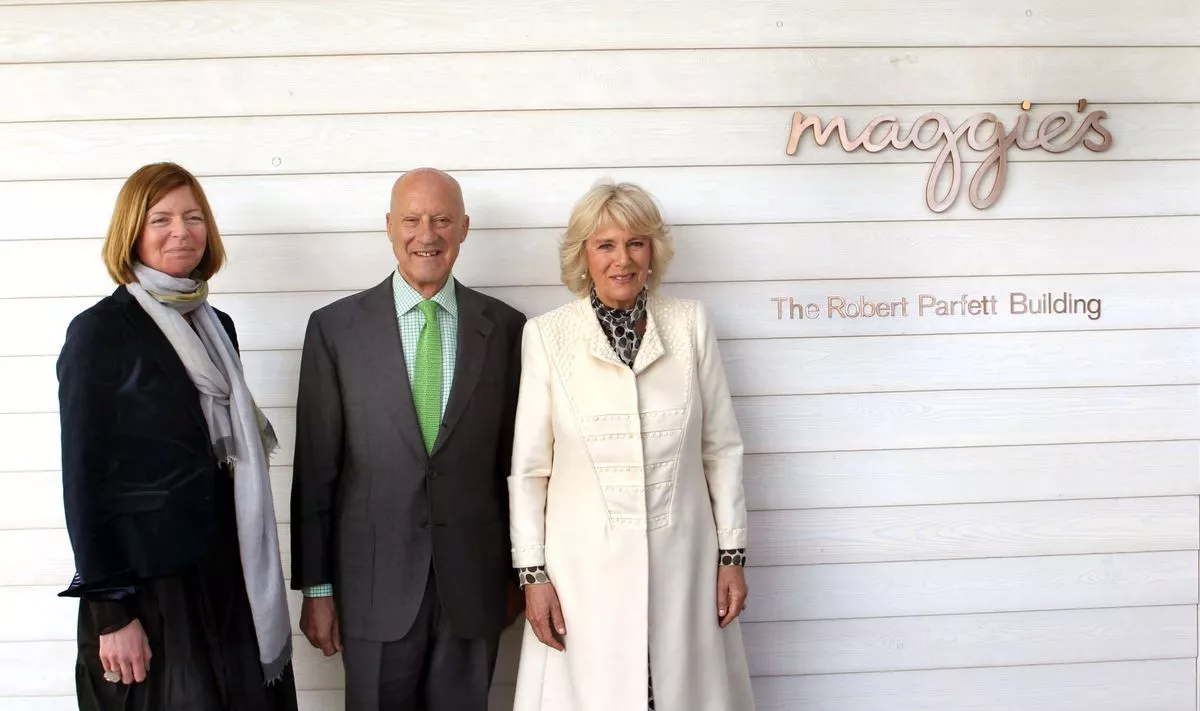
A leading UK cancer charity is significantly expanding a successful nutrition education programme following a pilot that demonstrated a dual benefit: improved patient well-being and a reduction in NHS waiting times for specialist nutrition services.
Maggie's, the charity operating cancer support centres across Great Britain, is rolling out its nutrition workshops to all 27 centres. This expansion follows a successful partnership with the Royal Marsden NHS Foundation Trust in London. Initial findings showed that the sessions equipped patients to manage diet-related challenges during treatment, consequently freeing up NHS dietitians to focus on more complex, high-priority cases.
A key outcome is the reduction in waiting lists for NHS nutrition support. Instead of facing long waits for a dietetic assessment, suitable patients were referred to the group sessions at Maggie's. This efficient triage allowed NHS dietitians to prioritise individuals with greater clinical needs, a vital efficiency gain for stretched cancer care services.
The initiative has garnered support from public health experts. Organisations like the World Cancer Research Fund (WCRF UK) stress the importance of quality nutrition throughout cancer treatment and survivorship, highlighting its influence on recovery and long-term health. WCRF UK also notes the value of providing clear, evidence-based dietary guidance to counter the often-confusing messages patients receive.
Advocates also point out that the approach aligns with evidence supporting patient education and self-management in long-term conditions. By helping patients gain confidence and autonomy over their diet and lifestyle, the programme can reduce anxiety, improve coping strategies, and decrease reliance on specialist NHS appointments for basic needs, potentially easing pressure on broader waiting lists.
While this programme focuses on supportive care, broader NHS policy is working to address cancer waiting times systemically. The latest NHS data indicates that actions like expanding community diagnostic centres and implementing new digital tools have substantially increased the number of people receiving a cancer diagnosis or ruling out cancer within the 28-day target, thus accelerating diagnosis and treatment initiation.
However, cancer care capacity remains strained. Analyses by charities such as Macmillan Cancer Support confirm that many trusts are still missing key waiting time targets, notably the 62-day treatment standard, underscoring the necessity of systemic reform alongside supportive programmes.
Public health voices argue that scaling up nutrition support—especially through partnerships with community groups and the third sector—could become part of a broader strategy to improve patient outcomes and standardise care across different regions. In an era of rising cancer incidence, due to factors like ageing populations, lifestyle changes, and better detection, any intervention that alleviates pressure on the NHS while optimising patient well-being is essential.
The expansion of these nutrition lessons is a promising example of innovation through collaboration in cancer care. By providing patients with practical skills and bolstering NHS capacity, this model not only addresses a crucial aspect of supportive care but also offers a replicable solution for reducing strain on specialist services and shortening waiting lists, aligning with the current high-priority UK health policy agenda of comprehensive cancer reform.



.jpg)
.jpg)
.jpg)