
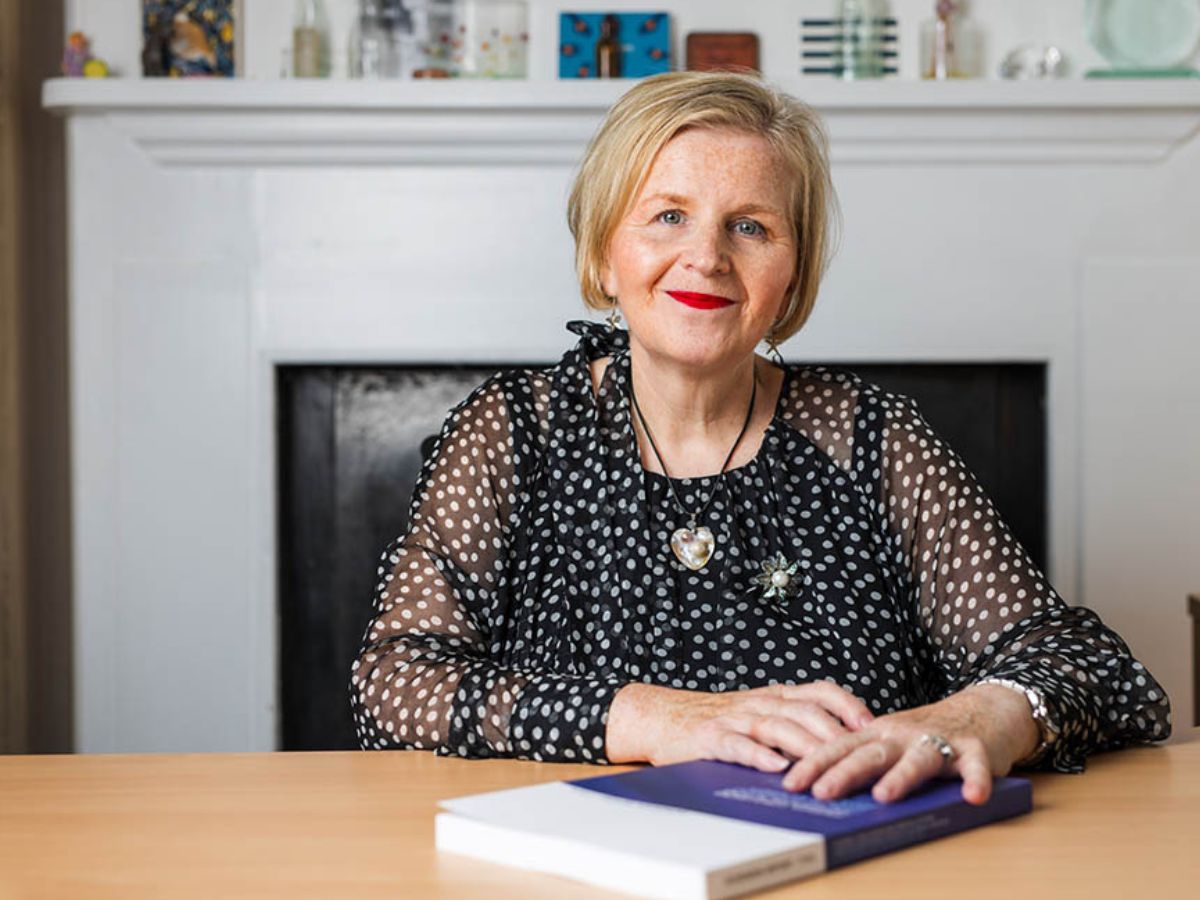
A three-year independent review into maternity services at Nottingham University Hospitals NHS Trust has uncovered what investigators describe as the largest childbirth scandal in the history of the NHS. Led by maternity safety expert Donna Ockenden, the report documents systemic failures spanning more than a decade, from 2012 to 2025, during which hundreds of mothers and babies suffered preventable harm or death.
The scale of the findings is stark. The review identified 520 mothers and babies who suffered potentially avoidable harm or died, comprising 444 women and 76 newborn babies. Investigators drew on evidence submitted by 2,536 families and 838 current or former NUH staff members to build their conclusions. Among 27 maternal deaths examined between 2006 and 2024, care failures were found to have substantially contributed to six of them. A further 31 newborn deaths were reviewed, with the panel concluding that better care would likely have prevented the harm suffered in each case.
The report sets out a pattern of clinical negligence that recurred across the period under review. Staff repeatedly failed to monitor fetal heart rates properly using CTG traces, missed signs of fetal distress, and did not escalate complex cases to senior doctors with sufficient urgency. Chronic understaffing meant units were often unable to cope safely with the volume of births they were handling, and women in active labour were on occasion turned away altogether.
Beyond the clinical failings, the review paints a picture of a toxic and bullying workplace culture within maternity services at the trust. It describes intimidating cliques among staff and a tendency to dismiss the concerns raised by patients. Some women reported being denied adequate pain relief or treated with outright cruelty by clinical staff during what should have been some of the most vulnerable moments of their lives.
Accountability at leadership level appears to have been similarly lacking. The report finds that senior leaders and maternity managers at NUH repeatedly ignored warnings about patient safety raised by staff and families alike. When approached by the inquiry, nearly half of the 66 current and former NUH executives contacted declined to take part. Engagement from oversight bodies was no better: only four of the 14 leaders contacted from the local clinical commissioning group and integrated care boards agreed to participate. The review characterises the trust as dysfunctional and accuses it of attempting to suppress information during previous external investigations. The current NUH chief executive and chair have issued a formal apology in response to the findings.
The political reaction has been swift. Health Secretary James Murray described the trust's failures as chilling and said its conduct had been catastrophically deficient. In response, the government is extending Martha's rule to every maternity unit in England, giving patients and families the right to demand an independent second clinical opinion when they have concerns about care. Ministers have also introduced new legal penalties for NHS staff who refuse to give evidence in future maternity inquiries, with prison sentences of up to two years intended to break what campaigners have long called a culture of silence within the health service.
For many affected families, these measures do not go far enough. The Nottingham Maternity Families group, which represents around 600 families, is pressing for a full statutory public inquiry into maternity care across the entire NHS, arguing that only a legally binding process can deliver real accountability. Murray has said a public inquiry remains on the table, while noting that families themselves hold differing views on the right way forward.
The Nottingham findings are unlikely to be the last of their kind. Ockenden-led reviews are already under way at trusts in Leeds and Sussex, raising the possibility that the failures identified at NUH reflect problems reaching well beyond a single hospital trust.
What it means for the NHS maternity sector
The Nottingham findings land at a moment when confidence in NHS maternity care is already under strain. Similar reviews have previously exposed comparable failures at trusts in Shrewsbury and Telford, and in East Kent, raising the question of whether what happened at NUH is an isolated institutional breakdown or evidence of weaknesses built into the wider system.
One recurring theme across these reviews is the gap between safety concerns raised by staff and families and the willingness of trust leadership to act on them. Regulators have tightened reporting requirements in recent years, yet the Nottingham report suggests that formal oversight structures, including clinical commissioning groups and integrated care boards, can fail to provide an effective check when those bodies themselves choose not to engage. Less than a third of the leaders contacted from these bodies took part in the review, a detail that points to weaknesses in regional oversight as much as in the trust itself.
The introduction of criminal penalties for staff who refuse to cooperate with future inquiries marks a shift in how the government intends to enforce transparency. Previous reviews have relied largely on voluntary cooperation, and the reluctance of NUH executives to engage with the Ockenden review, with nearly half declining to participate, demonstrates the limits of that approach. Whether the threat of prison sentences changes behaviour at other trusts facing scrutiny remains to be tested.
The extension of Martha's rule to maternity services is likely to have practical consequences for how care is delivered day to day. Giving patients a guaranteed route to an independent second opinion shifts some power back towards women and families at the point of care, rather than leaving escalation entirely to clinical hierarchies that the report shows can be slow to respond or resistant to challenge.
The financial and reputational consequences for the trust are likely to extend well beyond the publication of the report itself. NUH faces continued litigation from affected families, and the scale of the harm identified, 520 mothers and babies, will almost certainly inform how compensation claims are assessed in the coming years. Other trusts will be watching closely, both for legal precedent and for an indication of how the Care Quality Commission and NHS England intend to respond to a trust found to have suppressed information during prior investigations.
Perhaps the most significant unresolved question is whether the government will agree to the statutory public inquiry that campaigners are demanding. A non-statutory review, of the kind Ockenden has now completed twice, can compel testimony only through goodwill. A statutory inquiry carries legal powers to summon witnesses and documents, and would treat the failures at Nottingham not as a contained local scandal but as a starting point for examining maternity safety across the NHS as a whole. With further Ockenden reviews already under way in Leeds and Sussex, the case for treating this as a systemic issue, rather than a series of unconnected trust failures, appears to be growing.



.jpg)
.jpg)
.jpg)