
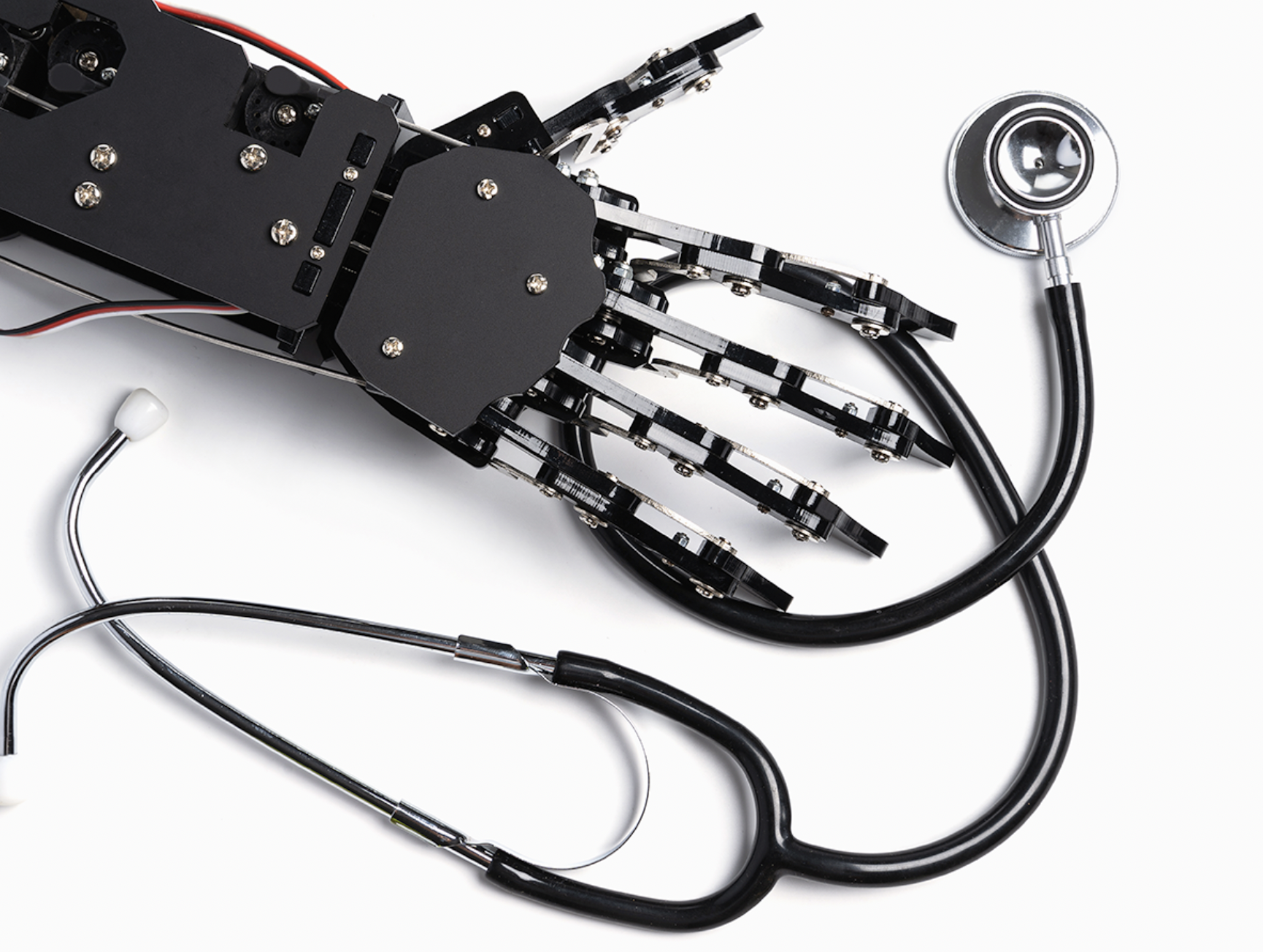
A groundbreaking new technology, an artificial intelligence (AI)-enabled stethoscope, is poised to dramatically improve the early detection of heart valve disease, a condition frequently termed a “silent killer.” According to recent clinical studies, including research published in npj Cardiovascular Health, this AI-powered tool demonstrates remarkable accuracy in identifying severe valve conditions, offering a potential shift in how general practitioners screen patients in primary care.
The Hidden Threat of Heart Valve Disease
Heart valve disease, encompassing conditions like aortic stenosis and mitral regurgitation, affects an estimated 41 million people worldwide, including 1.5 million in the UK. This occurs when the heart's valves fail to regulate blood flow properly, leading to strain on the heart and, if left untreated, eventual heart failure, hospitalisation, or death.
A major challenge is the condition's silent progression; early stages often present with no noticeable symptoms. Vague complaints like dizziness or breathlessness are often dismissed as signs of ageing, meaning many patients receive a formal diagnosis only after the disease has become advanced. Standard diagnosis requires echocardiography (a specialist ultrasound), which is expensive, resource-intensive, and impractical for widespread population screening.
AI: Upgrading the Century-Old Stethoscope
Research, notably a 2026 study from the University of Cambridge, illustrates the technology's promise. An AI algorithm was trained on heart sounds from nearly 1,800 patients to identify patterns linked to valve disease that often elude human examination. The AI achieved high detection rates: 98 per cent of severe aortic stenosis cases and 94 per cent of severe mitral regurgitation cases, significantly surpassing the performance of traditional stethoscopes used by general practitioners.
Professor Anurag Agarwal, lead author from Cambridge’s Department of Engineering, highlighted the urgency, calling valvular heart disease a “silent epidemic.” He noted that approximately 300,000 people in the UK have severe aortic stenosis, many unaware, and stressed that early detection is critical for better outcomes, as prognosis worsens significantly once advanced symptoms appear.
The AI stethoscope employs machine learning to analyse subtle acoustic signals. Unlike traditional methods that only identify a murmur, the algorithm, trained on echocardiogram-confirmed pathology, recognises nuanced patterns that can escape even seasoned clinicians. This process essentially transforms the traditional stethoscope into a 21st-century diagnostic instrument capable of rapid screening for multiple major cardiac conditions.
Reinforcing Evidence from Real-World Trials
Complementary trials further support the AI's potential. The large-scale UK multi-centre TRICORDER trial, involving over 1.5 million patients, found that doctors using AI-assisted examinations were nearly twice as likely to diagnose heart valve disease compared to routine practice.
Separately, research in the European Heart Journal – Digital Health showed an AI-augmented digital stethoscope was more than twice as sensitive in detecting moderate to severe valvular heart disease in routine clinical settings. These findings suggest that AI can boost primary care detection rates, potentially reducing the number of patients presenting with late-stage disease that requires specialised care.
Early Detection is Crucial for Treatment
Heart valve disease is treatable, but timing is paramount. Severe valve defects often require surgical repair or replacement, and outcomes are vastly superior when this is done before irreversible damage occurs. Cardiologists compare the poor prognosis of severe untreated valve disease to certain cancers once symptoms are established.
Professor Rick Steeds, a co-author of the Cambridge research, emphasised that simple, scalable tools like AI-assisted stethoscopes can “make a real difference” by identifying patients earlier in their disease trajectory. He affirmed: "Valve disease is treatable... but timing is everything.”
Challenges and Future Implementation
Despite the clinical promise, integrating AI stethoscopes into routine primary care faces hurdles, including workflow disruption and limited integration with electronic health records, leading some GP practices to discontinue regular use after initial trials.
Realising the technology's full potential requires clear clinical guidelines and improved digital infrastructure. If effectively implemented, this innovation could serve as an accessible, rapid screening tool, prioritising high-risk individuals and speeding up referrals for specialist echocardiography.
Researchers, however, caution that managing false positives, which could trigger unnecessary anxiety and follow-up-will be critical. Furthermore, addressing issues of regulatory approval, clinician trust, data governance, and ensuring fairness across diverse populations (considering factors like age and ethnicity) remains crucial before national adoption.
A New Era for Cardiac Screening
The convergence of AI with an age-old clinical device signifies a potential shift in early cardiovascular disease detection across the NHS. This innovation could reduce the number of patients reaching advanced, undiagnosed stages of valve disease, thereby easing pressure on secondary care and improving the quality of life for thousands. Ultimately, the AI stethoscope represents a hope that the next generation of diagnostics will be both smarter and more accessible in tackling conditions that have long escaped early detection.



.jpg)
.jpg)
.jpg)