
A national commission examining the regulation of artificial intelligence in healthcare has released early findings from a public call for evidence that attracted more than 770 responses. The central message from those responses is straightforward: trust matters, and the current regulatory framework needs strengthening, not replacing.
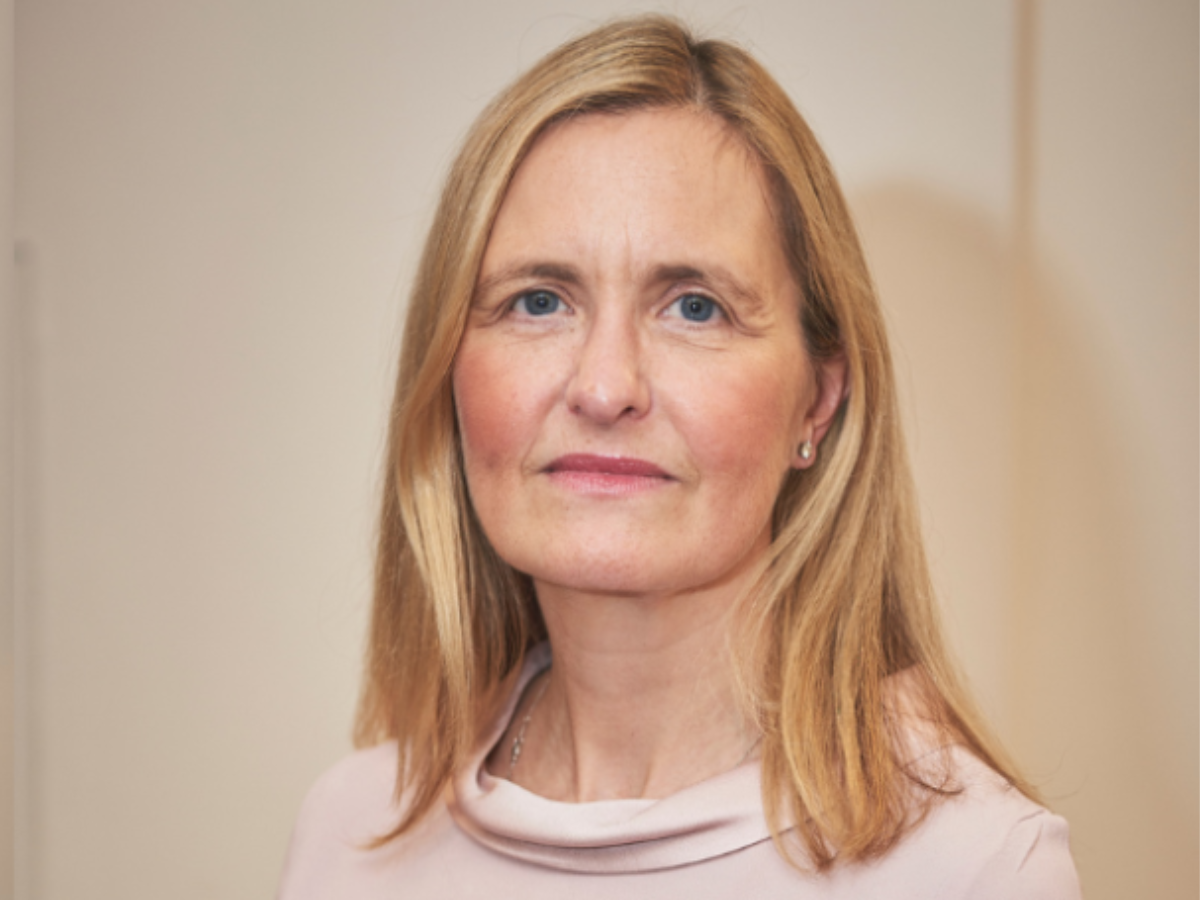
Henrietta Hughes, patient safety commissioner and deputy chair of the commission, presented the findings. She described the response as evidence of how strongly patients and the public want to be treated as partners in decisions about AI governance, rather than as passive recipients of whatever the system produces. The concerns raised were practical. How are AI medical devices monitored once they are approved and in use? And when something goes wrong, who is responsible? Both questions remain inadequately answered under current arrangements.
Hughes was clear that the public does not want the existing system torn down. Confidence in parts of it remains, but there is an expectation that it will be updated to keep pace with the technology. Ongoing monitoring and transparency were identified as the areas most in need of attention.
Engagement beyond the written submissions is already underway. The MHRA has been working directly with patients and communities through a partnership with National Voices. The Health Foundation, alongside Ipsos MORI, has run in-depth public discussion sessions. Sector roundtables have brought together more than 30 organisations, with 117 clinicians and a range of health system representatives taking part. The breadth of that participation reflects how widely the regulatory question is now being taken seriously, across professional and public boundaries alike.
For those who want to engage further, an open webinar is scheduled for 20 May. Hughes will appear alongside the chair of the National AI Commission and the chief executive of the MHRA to answer questions from patients and members of the public. The commission's formal recommendations are expected before the end of summer 2026.
Elsewhere, the MHRA has introduced a paid advisory service for manufacturers of medical devices and in vitro diagnostic products. For £987, manufacturers can book a one-hour meeting to discuss regulatory questions, particularly in cases where existing guidance does not map clearly onto their product. The applicant opens with a short presentation setting out their questions and the points of uncertainty. It is a modest but practical acknowledgement that the regulatory landscape has grown complicated enough to require guided navigation.
On a larger scale, Sovereign AI, backed by the UK government, has announced a £500 million fund for early-stage AI companies. The offer includes access to supercomputing infrastructure with up to one million GPU hours per startup, investment of up to £20 million, and support in developing datasets and laboratory infrastructure. A further £282 million has been set aside for research and development. A funding call for new dataset creation is expected to follow. The fund is explicitly designed to help UK companies scale fast enough to compete globally, though how many will reach that threshold remains to be seen.
Across the Atlantic, a study supported by the National Institutes of Health has produced an algorithm capable of identifying patients likely to have a rare disease, using data drawn from electronic health records. The system, known as WEST, is designed to function even when the underlying data is incomplete or inaccurate, which is a common condition in real-world clinical settings. It was tested on patients at risk of two rare lung conditions, pulmonary hypertension and severe asthma, and outperformed all other models in identifying those later diagnosed by clinicians. Researchers plan to extend its capabilities over time to predict when a disease might emerge and how a patient is likely to respond to treatment.
The combined picture is of a sector accelerating into AI deployment while the governance structures needed to manage that acceleration are still being assembled.



.png)
.png)
.jpg)