
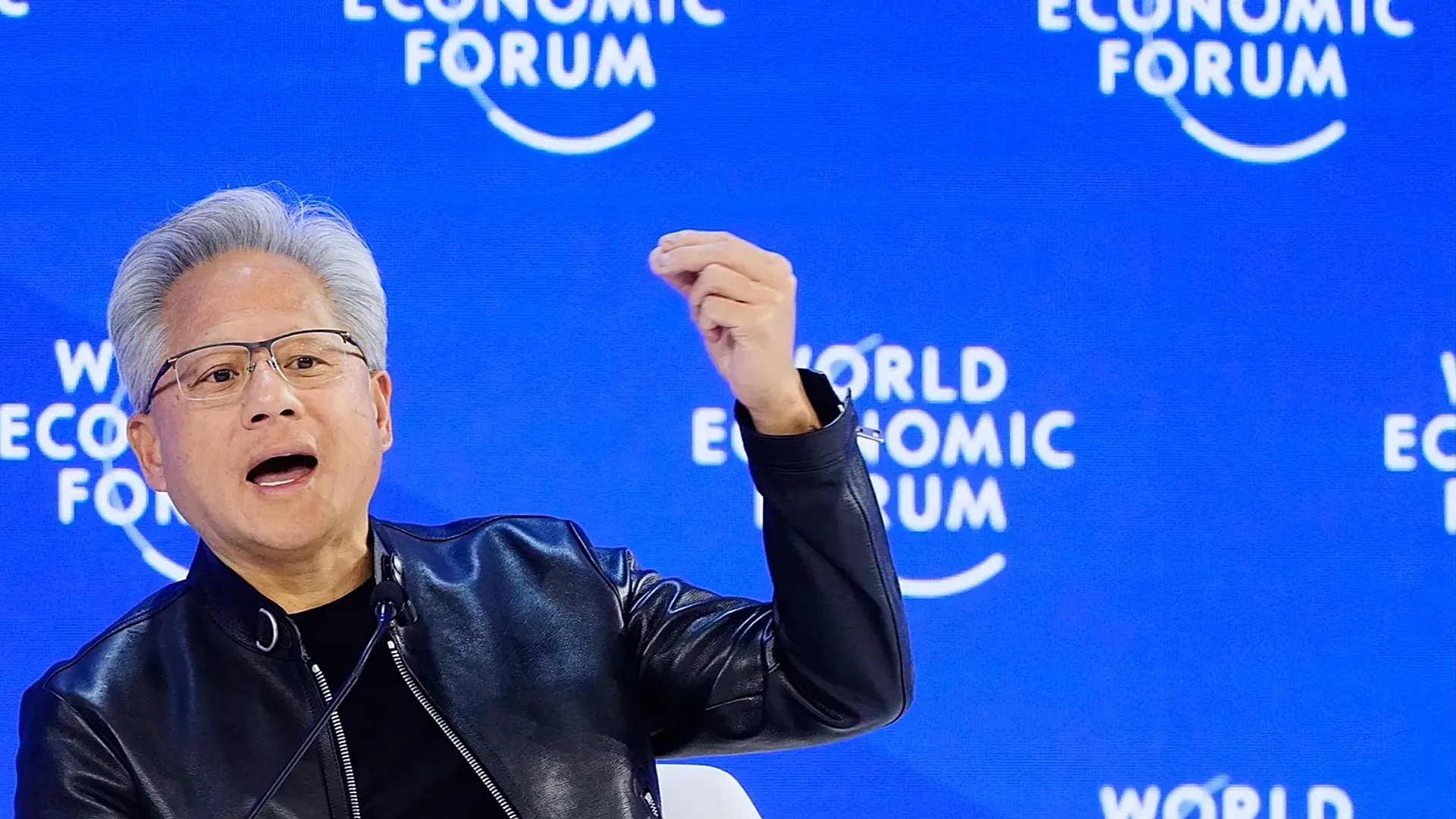
The World Economic Forum (WEF) 2026 in Davos was dominated by three significant themes: the ascent of artificial intelligence (AI), the immense power of Big Tech, and the prominent presence of US President Donald Trump. Critics viewed this convergence as a "tech-heavy spectacle" that risked overshadowing urgent global challenges, particularly equitable health access and pandemic preparedness.
AI emerged as the central, transformative topic. Tech leaders from corporations like OpenAI and Google DeepMind affirmed its role as a fundamental, "general-purpose technology" with potential to deliver massive productivity gains across sectors, including healthcare. OpenAI's Christopher Lehane compared it to electricity, while Google DeepMind CEO Demis Hassabis optimistically predicted that advances toward artificial general intelligence (AGI) could usher in "radical abundance" and "dramatically accelerate science and human health over the next decade."
However, this optimism was significantly tempered by several concerns. PwC reported that over 50% of companies are gaining "nothing" from AI adoption due to inadequate preparation. Microsoft CEO Satya Nadella stressed the need for AI's benefits to extend beyond wealthy companies and nations to prevent an unsustainable bubble, especially urging its diffusion into industries like healthcare. Furthermore, a WEF report cited that 87% of organisations view AI-related vulnerabilities as a top cyber risk to sensitive health data. Geopolitical competition over AI leadership was also highlighted as a national security issue, complicating international cooperation on public-good applications like disease surveillance.
Despite AI's potential for health transformation, the forum faced criticism for not giving health issues proportional attention. WEF executives cautioned that the world remains inadequately prepared for the next pandemic, with structural risks like climate change and geopolitical instability increasing outbreak risks. The dominance of Big Tech and financial elites in shaping the agenda was noted, leading to concerns that debates were driven more by corporate interests than public needs, potentially marginalising sectors such as public health and education. Additionally, the political spectacle surrounding President Trump drew attention away from multilateral cooperation, prioritising a politics-first narrative that analysts suggest undermines collective efforts on global health outcomes.
For the UK, Davos 2026 offers a dual lesson: acknowledging AI's clear promise to revolutionise healthcare, while recognising that the global agenda remains heavily influenced by commercial power and political theatre, often at the expense of public health priorities. The crucial challenge moving forward is how policymakers will balance AI enthusiasm with the demands for equitable access, robust regulatory safeguards, and health-system readiness for future crises, ultimately determining whether the technology bridges or deepens existing global divides.



.jpg)
.jpg)
.jpg)