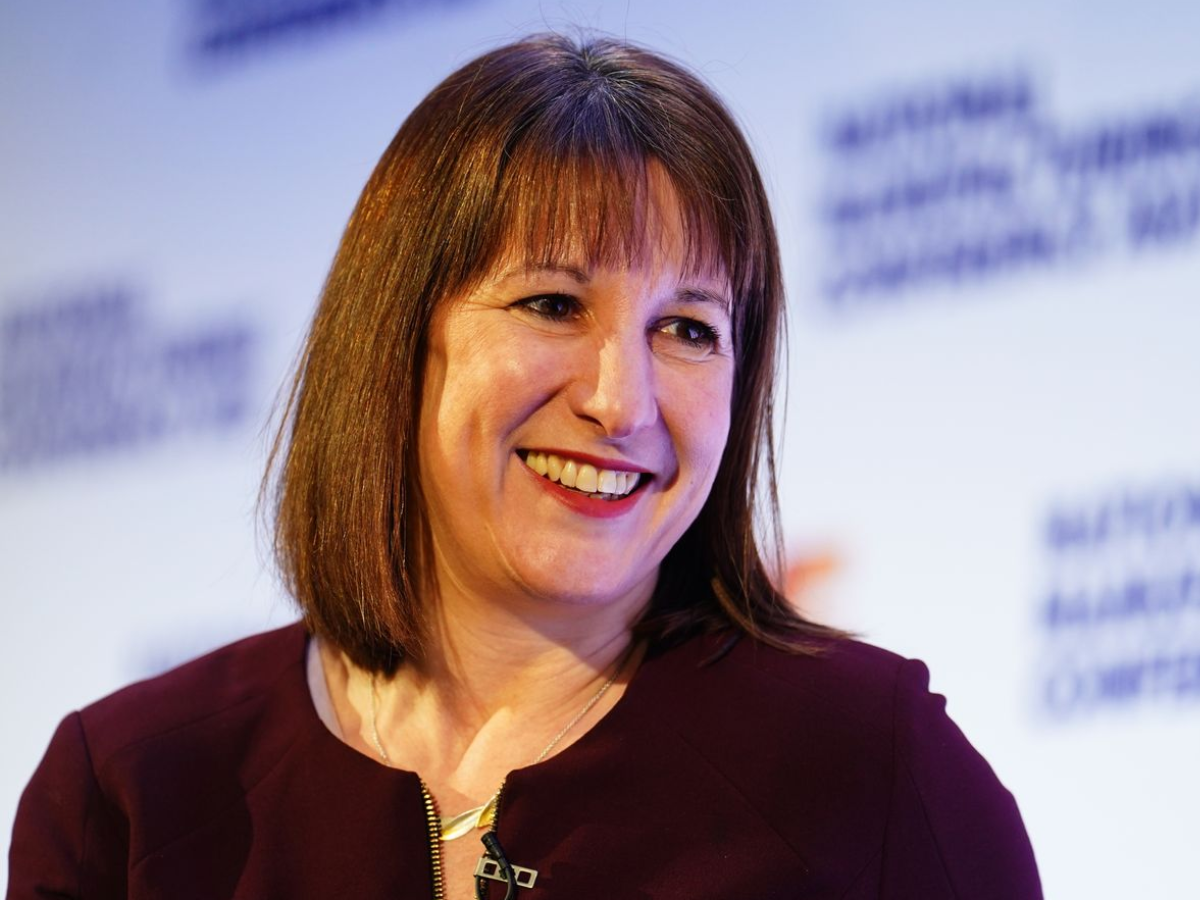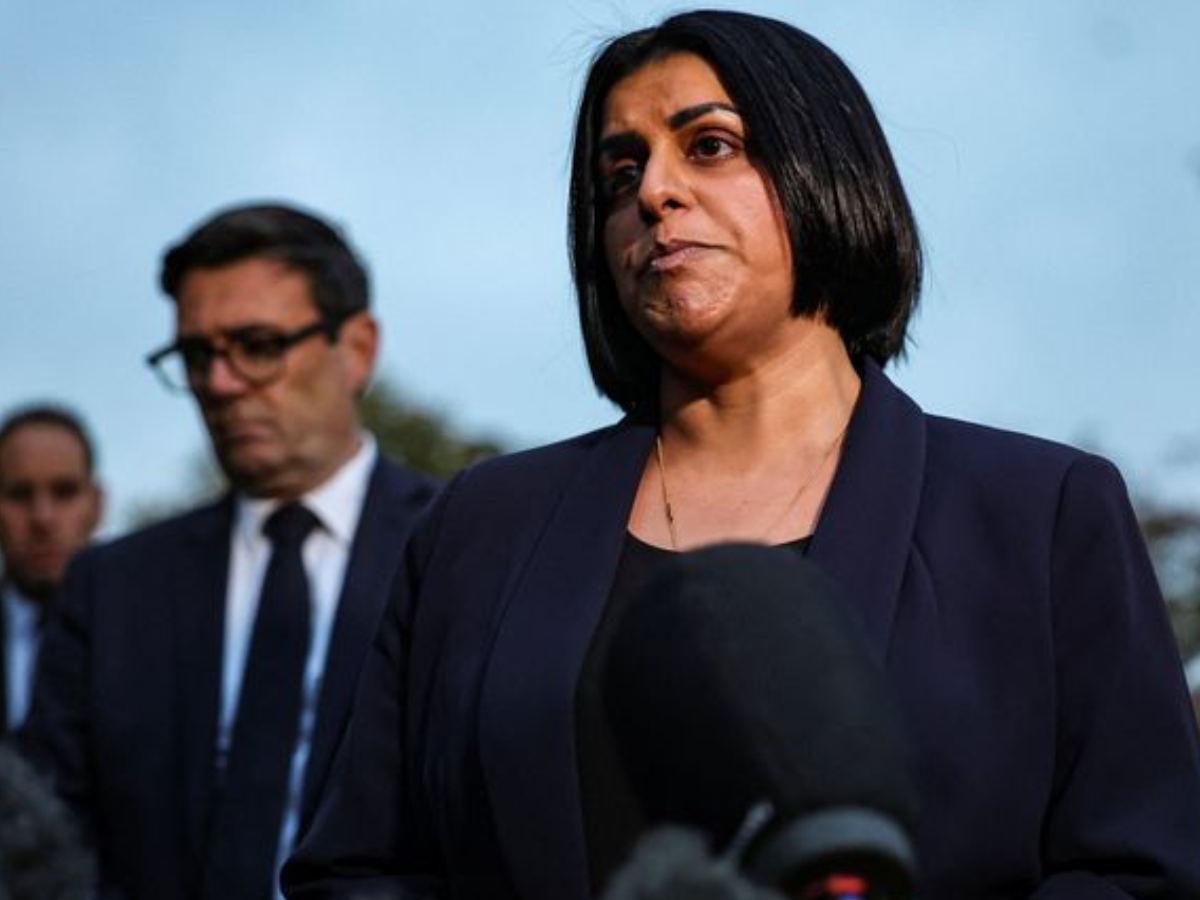
On Monday morning, somewhere between the removal vans and the first Cabinet Office briefing, the NHS will wake up to a government whose two most consequential departments for its future are both, in effect, empty chairs. Wes Streeting, the health secretary who built much of the current reform architecture, quit alongside Keir Starmer and is now tipped to move to the Home Office under Andy Burnham. The Treasury, meanwhile, remains a genuine contest between Shabana Mahmood, whose instincts are fiscally cautious, and Ed Miliband, whose supporters want someone prepared to challenge Treasury orthodoxy outright. Nothing is confirmed until Burnham is inside No 10, and by his own team's account the appointments are being kept unusually tight.
For most departments this uncertainty is simply the normal churn of a change of leader. For health and social care it lands somewhere far more exposed. Streeting was not a caretaker minister quietly administering an inherited brief. He was the architect of the abolition of NHS England and its reabsorption into the department, the sponsor of the 10 Year Health Plan, and the political force behind Sir Jim Mackey's accountability drive across trust boards. He put his name and reputation behind the Federated Data Platform rollout at a moment when its governance and its relationship with Palantir remained contentious inside NHS leadership circles. Whoever succeeds him inherits not a settled programme but one still mid-implementation, with integrated care boards in the middle of consolidation and trust leaders only beginning to adjust to a new performance regime.
Losing the minister who owns that programme is one kind of risk. Losing certainty over who controls the money to fund it is another, and the two are compounding rather than separate problems. Mahmood's economic instincts, so far as they are known, sit closer to market orthodoxy: little appetite for radical borrowing, more comfort with fiscal devolution and public ownership of utilities than with a wealth tax or a loosened spending envelope. Miliband's backers argue the opposite case, that only a chancellor willing to break from Treasury convention can fund the scale of investment health and care required. Bond markets have already registered a preference, with yields easing slightly on reports that Mahmood was gaining ground. Whichever way the appointment falls, NHS finance directors drawing up autumn budget assumptions are currently doing so without knowing whether they are working inside a settlement built for caution or one built for expansion.
This matters practically, not just symbolically. Trust boards are entering winter planning cycles that assume continuity in performance metrics, capital allocation and digital investment priorities set under Streeting. A successor with a different political weight, or none of the same personal investment in the Federated Data Platform's expansion, could quietly slow procurement decisions that industry partners are relying on. Life sciences firms who have spent the past year calibrating investment plans around a stable ministerial relationship now face a fortnight of guesswork. Even something as procedural as the timing of the autumn budget becomes harder to plan around when the identity of the chancellor is still being fought over in briefings rather than settled in appointment letters.
There is a version of this transition that resolves cleanly. Burnham has signalled, through his conversation with Mahmood about wider strategy beyond the Home Office, that he intends to move fast and decisively once in office, and his allies talk of a prime minister determined to run policy from the centre rather than delegate it wholesale. A new health secretary with clear authority and a chancellor whose fiscal stance is known within days could steady the position quickly. But until Monday, and likely for some days after, NHS leaders are managing one of the more delicate periods in recent policy history with neither certainty resolved. Continuity is not a luxury in health policy. It is the precondition for almost everything the service is currently trying to do, and this week it cannot be assumed.